South African beef farmers seeking to enter international markets must comply with strict export requirements to ensure the safety, quality, and traceability of their products. Compliance begins with adherence to animal health regulations, including disease control programs for foot-and-mouth disease, bovine tuberculosis, and other livestock illnesses. Farmers must maintain clean and well-managed farms, implement biosecurity measures, and participate in approved vaccination programs. Veterinary certification is essential, as only animals and products certified disease-free by registered veterinarians can qualify for export. Ensuring herd health is the first step in meeting international standards and building buyer confidence.
Traceability is a key requirement for beef exports. Farmers must register their livestock under the Livestock Identification and Traceability System and maintain accurate records of animal movements, vaccinations, and breeding history. Proper documentation allows authorities to track the origin of beef products and respond quickly to any disease outbreaks. International markets increasingly demand traceable and transparent supply chains, making record-keeping essential for accessing premium buyers. Failure to comply with traceability regulations can result in export restrictions or rejection of shipments.
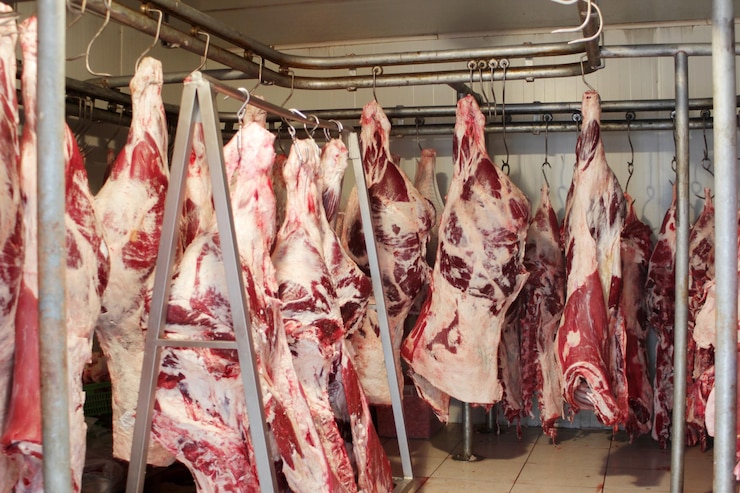
Processing and packaging standards are another critical component of beef export compliance. Meat must be slaughtered and processed in facilities approved by the Department of Agriculture, Land Reform and Rural Development and inspected for hygiene, temperature control, and labeling. Export-ready beef must meet specific quality grades, packaging requirements, and shelf-life standards depending on the destination country. Exporters are responsible for ensuring that meat products are free from contaminants and meet all food safety protocols.
Farmers must also navigate legal and administrative requirements for exporting beef. This includes obtaining export permits, submitting health and export certificates, and meeting the import regulations of the target country. International buyers often require additional certifications for organic status, hormone-free production, or animal welfare compliance. Understanding and fulfilling these requirements is essential for maintaining access to high-value markets and avoiding penalties or shipment delays. Professional guidance from export councils, veterinary authorities, and industry associations can help farmers navigate complex regulations efficiently.
Meeting export requirements offers South African beef farmers access to global markets, higher profit margins, and long-term business growth. By focusing on herd health, traceability, hygiene standards, and legal compliance, farmers can establish reliable and reputable export operations. Staying informed about evolving regulations and maintaining close coordination with veterinary and agricultural authorities ensures that beef products consistently meet international standards. Export-ready farms not only strengthen the local agricultural sector but also enhance South Africa’s reputation as a supplier of safe, high-quality beef worldwide.
Join 'Farmers Mag' WhatsApp Channel
Get the latest Farming news and tips delivered straight to your WhatsApp
CLICK HERE TO JOIN