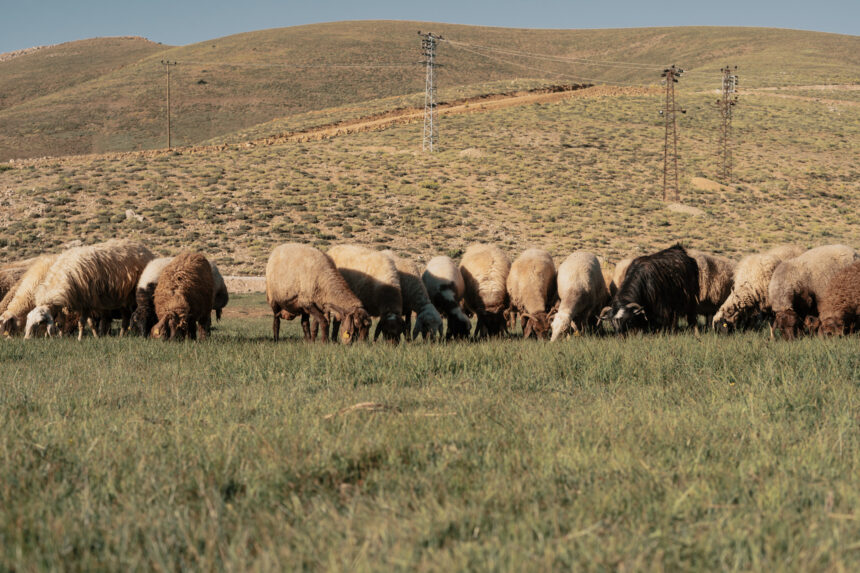
Drought conditions increase the vulnerability of livestock to disease, making proactive management critical for farmers. Limited water and poor-quality grazing can weaken animals’ immunity, leaving them more susceptible to infections such as foot-and-mouth disease, anthrax, and respiratory illnesses. Farmers must monitor herds closely for early signs of illness, including changes in appetite, behavior, or mobility. Rapid identification and reporting of suspected cases to veterinarians or animal health authorities are essential to prevent the spread of disease within and between farms. Early intervention can reduce losses and protect both animal health and farm income.
Biosecurity measures are vital during drought periods. Farmers should control animal movement, isolate new or sick animals, and maintain clean feeding and watering areas. Providing supplementary feed and clean water helps reduce stress and supports immune function. Implementing proper sanitation for equipment, transport vehicles, and farm staff reduces the risk of contamination and disease transmission. Farmers may also need to adjust herd density to prevent overcrowding around limited water points or grazing areas, which can accelerate the spread of pathogens.
Vaccination programs play a critical role in disease prevention, particularly during drought. Ensuring that all livestock are up to date on essential vaccines can limit outbreaks even when animals are under stress. Farmers should consult with veterinarians to determine risk-based vaccination schedules and consider strategic timing of immunizations before or during drought periods. Maintaining accurate records of vaccinations, treatments, and herd movements also supports traceability and compliance with regulatory requirements.
Nutritional support and stress reduction are key to maintaining herd health during drought. Providing mineral supplements, quality feed, and access to shade or shelter can strengthen animals’ resilience against disease. Farmers should monitor water sources for contamination and ensure that livestock have adequate access to clean water. Stress management extends to farm staff, as proper training in animal handling and disease detection improves response efficiency and reduces risks of accidental spread.
Planning and preparedness are critical for managing disease outbreaks under drought conditions. Farmers should develop contingency plans that include emergency feed and water supplies, isolation protocols, and rapid access to veterinary services. Collaboration with neighboring farms, local veterinary authorities, and agricultural extension services enhances surveillance and containment efforts. By combining proactive health management, biosecurity, vaccination, and emergency planning, farmers can reduce the impact of disease outbreaks during drought and maintain livestock productivity, food security, and rural livelihoods.
Join 'Farmers Mag' WhatsApp Channel
Get the latest Farming news and tips delivered straight to your WhatsApp
CLICK HERE TO JOIN