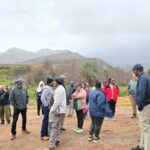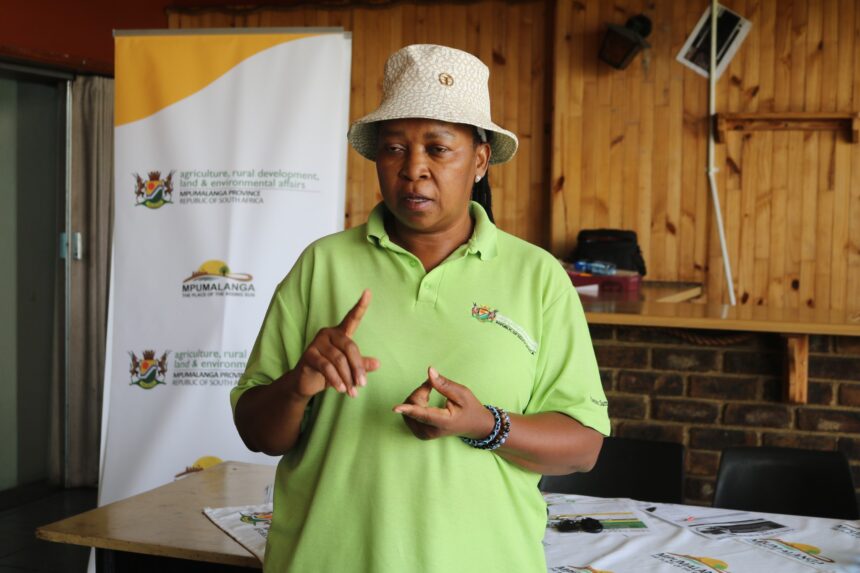
The Mpumalanga Department of Agriculture, Rural Development, Land and Environmental Affairs joined forces with the Department of Forestry, Fisheries and the Environment to host an awareness campaign focused on the dangers of poisonous and invasive plant species. The event took place in Komati and Middelburg under the Steve Tshwete Local Municipality, bringing together local communities and farmers. Hosted at Igwababa Community Hall, the session aimed to equip attendees with practical knowledge on identifying and managing invasive plant species. The campaign also created a platform for engagement between government officials and residents, ensuring that information reached those directly affected. This initiative reflects a growing effort to address environmental and agricultural risks that impact both livelihoods and ecosystems.
Presentations during the event focused on helping communities recognize harmful plant species and understand their impact on human health, livestock, and crop production. Experts explained how invasive plants spread rapidly, compete with indigenous vegetation, and reduce grazing capacity for animals. Attendees learned about prevention methods such as early detection, proper disposal, and controlled removal of invasive species before they become widespread. Control measures, including mechanical removal and responsible chemical use, were also discussed to ensure safe and effective management. By improving awareness, the campaign aims to reduce long term environmental damage and protect agricultural productivity in affected areas.
The discussion also addressed the ongoing threat of foot and mouth disease, which continues to pose serious risks to livestock farming and food security. Farmers were urged to remain alert and report any suspected cases immediately to veterinary authorities. Officials stressed that early detection plays a key role in limiting outbreaks and preventing economic losses. The session reinforced the importance of biosecurity measures such as controlled animal movement, sanitation, and regular health monitoring of livestock. By linking plant management and disease control, the campaign highlighted the broader responsibility of farmers in maintaining healthy and sustainable farming systems.
Community engagement formed a central part of the awareness drive, with farmers encouraged to share their experiences and challenges. This exchange of information helped identify gaps in knowledge and allowed experts to provide targeted advice. The campaign also emphasized collaboration between government departments, local authorities, and farming communities to ensure ongoing support. Access to accurate information enables farmers to make informed decisions that protect both their livestock and the environment. Strengthening these partnerships is essential for building resilience against environmental threats and agricultural risks.
The awareness campaign in Steve Tshwete Local Municipality delivered clear and practical guidance on managing invasive plants and preventing disease outbreaks. Farmers and residents left with a better understanding of how their daily practices can influence both environmental health and agricultural success. By promoting vigilance, education, and proactive action, the initiative supports sustainable farming and community well being. Continued awareness efforts will play a vital role in protecting natural resources, safeguarding livestock, and ensuring long term agricultural stability in Mpumalanga.
Join 'Farmers Mag' WhatsApp Channel
Get the latest Farming news and tips delivered straight to your WhatsApp
CLICK HERE TO JOIN