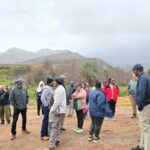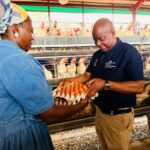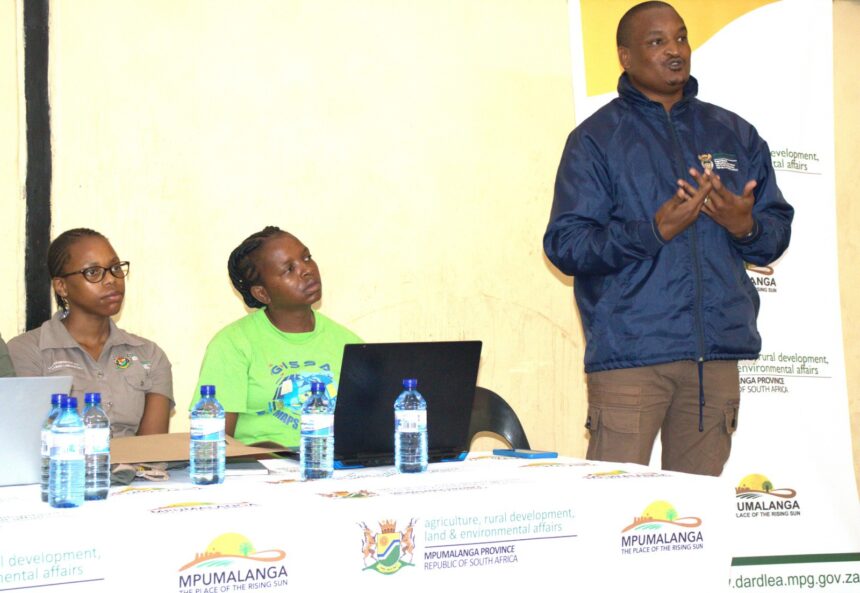
Farmers from both livestock and crop sectors gathered at Simon Gondwe Sport Center in Botlengo, Delmas, for a comprehensive Land Care Awareness workshop focused on sustainable agricultural practices. The event emphasized the conservation of agricultural resources through four main pillars: Soil Care, Veld Care, Water Care, and Junior Care. Organizers aimed to provide practical strategies that improve productivity while protecting the environment and securing resources for future generations. The workshop attracted participants from surrounding communities who were eager to learn and engage in discussions about best farming practices. The collaborative environment encouraged farmers to share experiences and challenges, creating a foundation for collective solutions.
The Soil Care sessions highlighted essential techniques such as crop rotation, mulching, and erosion prevention to maintain soil fertility and structure. Farmers were educated on the impact of poor soil management on long-term productivity and how simple interventions can enhance yields while conserving the land. Presenters demonstrated ways to integrate organic matter and cover crops to protect soil health, emphasizing cost-effective approaches suitable for small-scale and commercial farms. Discussions also explored soil testing and nutrient management, enabling farmers to make informed decisions for sustainable cultivation. These sessions provided actionable insights that farmers can implement immediately to improve the resilience of their land.
Veld Care presentations focused on sustainable grazing practices and veld rehabilitation to prevent overgrazing and degradation of pastures. Experts explained rotational grazing, controlled stocking rates, and the use of indigenous grasses to maintain a healthy grazing ecosystem. Livestock farmers learned how proper veld management can reduce disease risks, improve animal health, and increase productivity. Case studies illustrated successful veld restoration projects that balanced livestock needs with environmental protection. Participants were encouraged to collaborate with local agricultural offices to monitor veld conditions and implement long-term management plans.
Water Care discussions emphasized the efficient use of water resources, critical for both crop irrigation and livestock farming. Presenters addressed irrigation scheduling, rainwater harvesting, and protecting natural water sources from contamination. Farmers were guided on practices to minimize water loss and prevent soil erosion caused by improper irrigation techniques. The sessions highlighted the importance of water management in sustaining both agricultural output and local ecosystems. Attendees also explored community-level initiatives to improve water availability, ensuring that all farms have access to reliable water supplies.
Junior Care sessions encouraged the involvement of young people in farming and land conservation initiatives. Organizers stressed the need for knowledge transfer to secure sustainable agricultural practices for future generations. Youth participation was linked to improved farm management, innovation adoption, and community engagement in land care. Presenters also integrated discussions on Foot and Mouth Disease, teaching young farmers how disease prevention contributes to overall livestock and farm health. The workshop concluded with actionable strategies for participants, including disease control, biosecurity measures, and resource conservation, leaving farmers equipped to apply best practices across their operations.
Join 'Farmers Mag' WhatsApp Channel
Get the latest Farming news and tips delivered straight to your WhatsApp
CLICK HERE TO JOIN