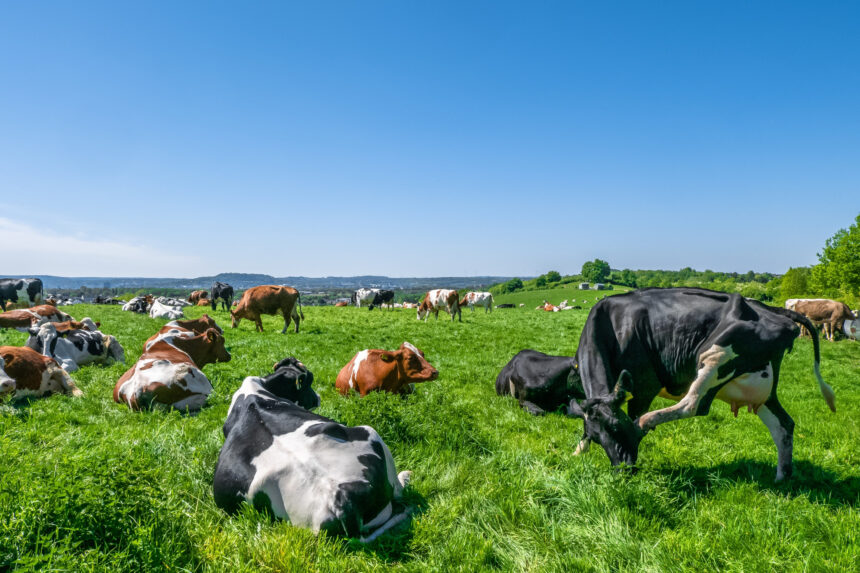
Foot-and-mouth disease (FMD) remains one of the most significant threats to livestock farming in South Africa. Highly contagious, the disease affects cloven-hoofed animals, including cattle, sheep, goats, and pigs. An outbreak can devastate livestock populations, disrupt trade, and cause severe economic losses for farmers and the agricultural sector. Understanding FMD, its symptoms, transmission, and prevention measures is critical for farmers to safeguard their herds.
FMD is caused by a virus that spreads rapidly through direct contact between infected animals, contaminated equipment, feed, or even via humans moving between farms. Symptoms vary depending on the species but commonly include fever, blisters in the mouth and on the feet, excessive salivation, lameness, and reduced milk production. Early detection is vital, as the disease can spread before visible signs appear. Farmers must regularly monitor their animals and report any unusual symptoms to veterinary authorities.
South Africa has designated FMD control zones to prevent the disease from spreading. Farmers within these zones face strict movement regulations for livestock, including mandatory testing and quarantine measures. Compliance with these regulations is essential to protect both local herds and the country’s export markets, which are highly sensitive to FMD outbreaks. Export certification depends on maintaining FMD-free status in specific regions, making proactive disease management a financial necessity for farmers.
Vaccination remains a key tool in FMD prevention. The South African Veterinary Services provides guidance on vaccine schedules, which vary depending on regional risk levels and livestock species. Farmers should maintain accurate vaccination records and work closely with veterinarians to ensure their herds are adequately protected. Beyond vaccination, strict biosecurity practices, such as disinfecting equipment, limiting farm visitors, and controlling animal movements, help reduce the risk of infection.
During an outbreak, swift action can limit the disease’s impact. Authorities may implement culling, movement restrictions, and enhanced surveillance. Farmers should cooperate fully with veterinary inspectors and follow all containment protocols. Being prepared with a response plan, including isolation areas and emergency supplies, can significantly reduce losses and prevent further spread.
Education and awareness are critical for long-term FMD management. Farmers can benefit from attending training sessions, subscribing to updates from the Department of Agriculture, and sharing knowledge with neighboring farms. Understanding how the virus spreads and recognizing early warning signs empowers farmers to act quickly and protect their livelihoods.
Foot-and-mouth disease is a persistent challenge for South African livestock farmers. By prioritizing biosecurity, vaccination, and early detection, farmers can reduce the risk of outbreaks and safeguard their herds. Staying informed and cooperating with veterinary authorities ensures the continued health of animals and the stability of the agricultural sector.
Join 'Farmers Mag' WhatsApp Channel
Get the latest Farming news and tips delivered straight to your WhatsApp
CLICK HERE TO JOIN