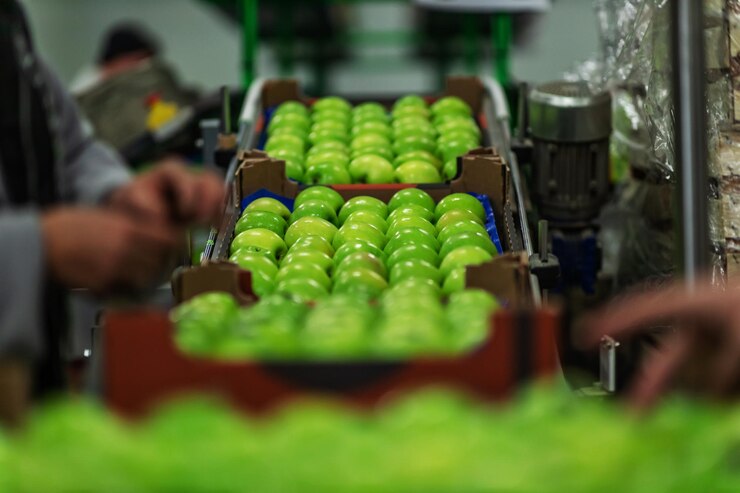
The deciduous fruit industry in South Africa is increasingly turning to robotics and automation to improve efficiency, reduce labour costs, and maintain high-quality standards. Technologies such as robotic sorting, grading, and packing systems are transforming how apples, pears, peaches, and other fruits are processed, offering both operational and economic advantages for growers and packhouses.
One of the key benefits of robotics is precision and consistency. Automated systems use cameras, sensors, and artificial intelligence to sort fruit by size, colour, and quality. This ensures that only the best produce reaches the market, reducing waste and improving consumer satisfaction. Robots can also handle delicate fruit carefully, minimising bruising or damage that often occurs with manual handling.
Labour shortages have been a growing challenge in the deciduous fruit industry. By introducing robotic packing lines, packhouses can maintain productivity even during peak harvest seasons. Robots work continuously, increasing throughput and allowing human workers to focus on tasks that require critical decision-making or specialised skills. This combination of human oversight and automation improves efficiency while reducing operational pressures.
Robotic technology also supports traceability and data collection. Automated systems can record information about each batch of fruit, including size, weight, and quality metrics. This data is valuable for quality control, inventory management, and meeting export requirements. For producers targeting international markets, traceability can enhance credibility and compliance with increasingly strict food safety standards.
Despite the initial investment costs, the long-term economic benefits of robotics are significant. Reduced labour costs, lower fruit loss, improved packing speed, and higher quality produce translate into increased revenue and competitiveness in global markets. Early adopters of robotic systems in South Africa have reported faster packing times and a notable reduction in damage-related losses.
Challenges remain, including the need for specialised maintenance, staff training, and integration with existing packing infrastructure. However, the technology is evolving rapidly, with modular and scalable solutions available for both large commercial operations and medium-sized packhouses. Collaboration between technology providers, industry associations, and growers is key to ensuring successful implementation.
As the deciduous fruit industry faces increasing competition and higher quality standards from international markets, robotics offers a way to stay ahead. By combining precision, efficiency, and data-driven management, robotic packing systems are set to become a cornerstone of modern fruit processing. The adoption of these technologies represents not just an investment in machinery, but in the long-term sustainability, productivity, and global competitiveness of South Africa’s deciduous fruit sector.
Join 'Farmers Mag' WhatsApp Channel
Get the latest Farming news and tips delivered straight to your WhatsApp
CLICK HERE TO JOIN