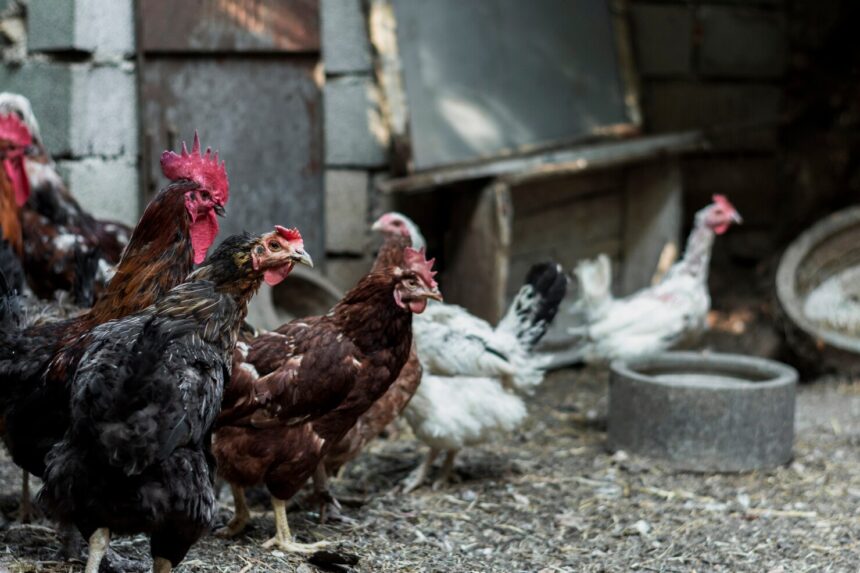
Indigenous chickens such as Venda and Ovambo breeds are gaining popularity among smallholder and commercial farmers due to their adaptability, low maintenance, and resilience to local diseases. These chickens thrive in harsh conditions, require minimal inputs, and can produce both meat and eggs efficiently. Raising them offers an opportunity to diversify income, improve food security, and tap into niche markets for organic and free-range poultry.
Venda chickens are known for their strong immunity and ability to forage effectively. They require less supplementary feed compared to commercial broilers, making them cost-effective to maintain. Ovambo chickens are equally hardy, with rapid growth rates and good meat quality. Both breeds lay eggs consistently, although production varies with season and management practices. Eggs from indigenous chickens are often preferred in local markets for their richer taste and higher nutritional value.
Successful raising of indigenous chickens begins with proper housing and management. Free-range systems allow birds to forage for insects, seeds, and vegetation, enhancing their health and flavour. Housing should provide protection from predators and harsh weather, with adequate ventilation and nesting areas. Feeding can be supplemented with maize, grains, and locally available protein sources to support growth and egg production. Clean water and basic biosecurity measures are essential to prevent disease outbreaks.
Indigenous chickens can be marketed in multiple ways. Meat from Venda and Ovambo chickens commands higher prices due to its taste and texture compared to commercial broilers. Eggs can be sold fresh to local consumers, restaurants, or through farmers’ markets. Some farmers also process and package frozen or smoked chicken for added value. Niche markets for organic and free-range products are expanding, offering premium prices for well-managed flocks.
Integrating indigenous chickens into mixed farming systems can improve overall farm productivity. Their natural foraging helps control pests and fertilise the soil. Smallholders can combine chicken rearing with crop production or vegetable gardens, reducing feed costs and improving sustainability. With proper record-keeping, farmers can track growth, egg production, and flock health to optimise performance.
Challenges in raising indigenous chickens include slower growth compared to commercial broilers and variability in egg production. However, these can be managed through selective breeding, proper nutrition, and good flock management. Vaccination and routine health checks are also important to reduce losses from common poultry diseases.
Overall, raising Venda and Ovambo chickens offers a resilient and profitable approach to poultry farming. Their adaptability, low input requirements, and market appeal make them ideal for smallholders and commercial farmers alike. With the right management and marketing strategy, indigenous chickens can provide a sustainable source of meat, eggs, and income while promoting local food security and biodiversity.
Join 'Farmers Mag' WhatsApp Channel
Get the latest Farming news and tips delivered straight to your WhatsApp
CLICK HERE TO JOIN