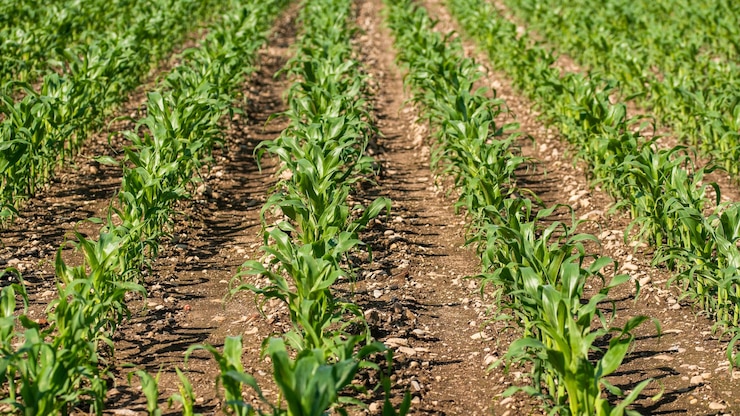
Regenerative agriculture is gaining ground in South Africa. Farmers face soil erosion, declining yields and rising input costs. You need systems that rebuild soil while keeping farms productive. Regenerative agriculture focuses on restoring soil health, improving water retention and strengthening resilience to climate stress.
What Regenerative Agriculture Means
Regenerative agriculture is a farming approach that restores soil rather than depleting it. Healthy soil supports crops, livestock and ecosystems. It stores carbon, improves nutrient cycling and increases water holding capacity. In South Africa, this approach works well in regions with variable rainfall and fragile soils.
Why South African Soils Need Regeneration
Many South African soils are low in organic matter. Years of intensive tillage, monocropping and chemical inputs have weakened soil structure. Erosion removes valuable topsoil, especially in the Eastern Cape, Free State and parts of Limpopo. Regenerative practices help rebuild soil carbon and protect long term productivity.
Core Principles You Should Know
Regenerative agriculture follows clear principles. You reduce soil disturbance. You keep soil covered. You increase plant diversity. You integrate livestock where possible. These principles apply to grain, vegetable and mixed farming systems across the country.
Reduce Soil Disturbance
Frequent ploughing damages soil structure and microbial life. Reduced tillage or no till systems protect soil aggregates. Many South African grain farmers use minimum tillage to limit erosion and lower fuel costs while maintaining yields.
Keep the Soil Covered
Bare soil loses moisture and nutrients quickly. Crop residues, mulches and cover crops protect the surface. In maize systems, residue cover reduces evaporation. In vegetable production, mulch improves moisture retention and controls weeds.
Increase Plant Diversity
Monocropping limits soil biology. Diverse rotations support a wider range of soil organisms. Legumes add nitrogen. Deep rooted plants improve soil structure. Farmers often rotate maize with beans, sorghum or mixed cover crops to improve soil health.
Use Cover Crops Effectively
Cover crops protect soil between cash crops. Common options include oats, vetch, rye and forage radish. These crops reduce erosion, improve infiltration and add organic matter. They also suppress weeds and support beneficial insects.
Integrate Livestock Carefully
Livestock can regenerate soil when managed correctly. Planned rotational grazing stimulates plant growth and root development. Manure adds nutrients and organic matter. Poor grazing management causes degradation, so timing and stocking rates matter.
Build Soil Organic Matter
Soil organic matter is critical for productivity. Even small increases improve water holding capacity and nutrient availability. This is vital in drought prone areas. Compost, manure and diverse cover crops help build organic matter over time.
Water Benefits You Will Notice
Healthy soil absorbs rainfall faster and holds it longer. Runoff decreases during heavy storms. Crops experience less stress during dry periods. Many farmers report more consistent yields after adopting regenerative practices.
Start Small and Measure Progress
You do not need to change your entire farm at once. Start with one field. Introduce cover crops or reduce tillage. Test soil regularly. Monitor organic matter, infiltration and crop performance to guide decisions.
Common Challenges for Beginners
Transition periods can be challenging. Weed pressure may increase early on. Yields can dip before soil biology stabilises. Consistency and patience are essential. Local farmer networks and extension services can provide practical support.
Regenerative agriculture builds resilient farms. Input costs decline as soil fertility improves. Land becomes more productive and stable over time. In South Africa’s changing climate, this resilience protects both livelihoods and future harvests.
Join 'Farmers Mag' WhatsApp Channel
Get the latest Farming news and tips delivered straight to your WhatsApp
CLICK HERE TO JOIN