Starting a small-scale dairy farm in South Africa can be profitable, but it requires careful financial planning, knowledge of the market, and efficient farm management. Understanding startup costs, operational expenses, and revenue potential is essential for sustainable operations.
Startup Costs
The initial investment in a small-scale dairy farm depends on herd size, infrastructure, and equipment. Key costs include:
- Land: Suitable land with access to water and good grazing conditions is essential. Leasing is an option to reduce upfront costs.
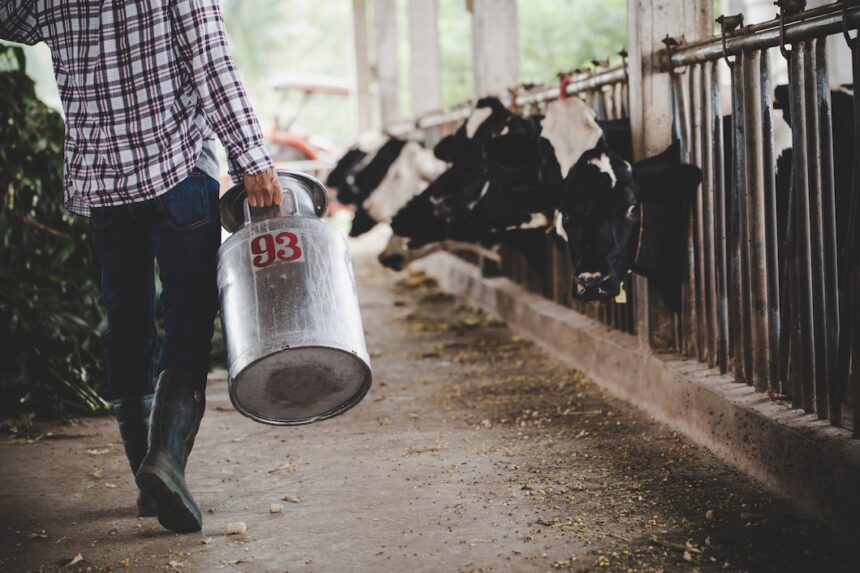
- Cows: Dairy cows vary in price depending on breed and age. High-yield breeds such as Jersey, Holstein, or Ayrshire cost more but produce more milk per lactation cycle.
- Infrastructure: Fencing, barns, milking parlors, feed storage, water systems, and cooling tanks are necessary for proper herd management and milk quality.
- Equipment: Milking machines, milk storage tanks, and basic veterinary equipment are required. Manual milking is cheaper but limits herd size and efficiency.
For a small-scale farm with 20–30 cows, initial costs can range from R500,000 to R1.2 million, depending on land acquisition, infrastructure quality, and breed selection.
Operational Expenses
Running a dairy farm involves recurring expenses that impact profitability. These include:
- Feed and Pasture: Even with grazing, supplementary feed such as silage, hay, and concentrates may be required, especially in dry seasons.
- Labour: Hiring skilled staff for milking, feeding, and animal care is critical. Labour costs vary by region but typically represent 20–30% of operational expenses.
- Veterinary Services: Vaccinations, deworming, and disease management are essential for herd health.
- Utilities and Maintenance: Water, electricity, and maintenance of infrastructure and machinery add to ongoing costs.
Revenue Potential
Milk sales are the primary revenue source for small-scale dairy farms. Prices depend on milk quality, market demand, and supply agreements. Local cooperatives, supermarkets, and direct-to-consumer sales are common channels. Additional revenue streams can include selling calves, manure as fertilizer, and value-added products such as cheese or yoghurt.
A small herd of 20–30 cows producing 10–15 liters per cow per day can generate 6,000–13,500 liters per month. At an average farm-gate milk price of R7–R9 per liter, monthly revenue can range from R42,000 to R121,500, depending on yield and market conditions.
Profitability Considerations
Profit margins in small-scale dairy farming are influenced by feed efficiency, herd health, and operational management. Seasonal variations in milk production, fluctuating feed costs, and market price changes can impact profitability. Implementing cost-saving measures, such as rotational grazing and bulk feed purchases, helps improve margins.
Market and Regulatory Factors
Understanding the local dairy market is crucial. Small-scale farmers can supply local towns, cooperatives, and niche markets. Compliance with health and safety regulations, milk hygiene standards, and veterinary certification is mandatory. Registering with relevant authorities and participating in milk quality programs ensures access to premium markets.
Risks and Mitigation
Common risks include drought, disease outbreaks, fluctuating milk prices, and input cost increases. Diversifying income streams, maintaining herd health, and securing reliable feed and water sources reduce risks. Insurance for livestock and equipment can provide additional financial protection.
Starting a small-scale dairy farm in South Africa requires substantial initial investment and careful management. By planning for startup costs, managing operational expenses efficiently, and understanding the local market, small-scale farmers can achieve profitability. With attention to herd health, milk quality, and market connections, small dairy farms can become sustainable and lucrative ventures in South Africa’s agricultural sector.
Join 'Farmers Mag' WhatsApp Channel
Get the latest Farming news and tips delivered straight to your WhatsApp
CLICK HERE TO JOIN