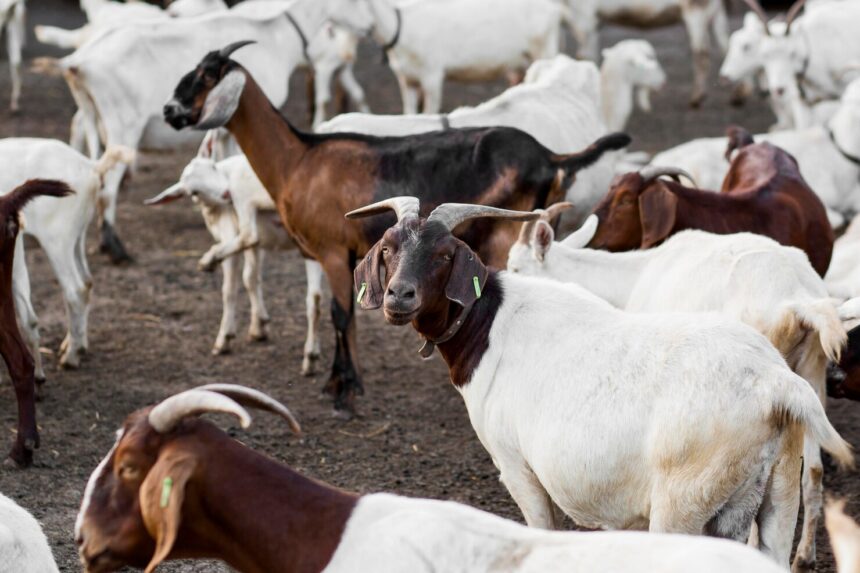
Goat farming is an important agricultural activity in South Africa, providing meat, milk, and income for smallholder and commercial farmers. Meat goats, in particular, are valued for their rapid growth and adaptability to local climates. However, achieving high meat production requires more than simply raising goats. Farmers must focus on proper nutrition, breeding, health management, and farm practices. Understanding these key factors can help maximize growth rates, improve carcass quality, and increase overall profitability.
Selecting the Right Breeds
Breed selection plays a major role in meat production. Some breeds grow faster, produce more meat, and adapt better to local conditions. Popular meat breeds in South Africa include Boer, Kalahari Red, and Savannah goats. Crossbreeding can combine desirable traits, such as disease resistance and rapid weight gain, enhancing overall performance. Choosing healthy, well-conformed animals for breeding ensures stronger offspring and higher meat yields.
Nutrition and Feeding
Nutrition is a primary factor in meat production. Goats need a balanced diet that provides protein, energy, vitamins, and minerals. High-quality pasture, supplemented with hay, silage, and concentrates, supports optimal growth. Legumes, such as lucerne and clover, are excellent protein sources.
Mineral supplementation, especially calcium, phosphorus, and salt, is critical for bone development and muscle growth. Clean water must always be available. Feeding practices should match the growth stage: kids require nutrient-dense feed, while adult goats need maintenance diets with sufficient protein for growth and reproduction.
Breeding and Reproduction Management
Effective breeding programs improve meat production. Selecting breeding stock based on growth rate, body conformation, and reproductive performance ensures strong offspring. Implementing controlled mating schedules, such as seasonal breeding or artificial insemination, can optimize kidding intervals and herd growth. Proper care during pregnancy, including adequate nutrition and parasite control, improves birth weights and survival rates.
Health and Disease Control
Healthy goats grow faster and produce more meat. Regular vaccinations protect against diseases such as anthrax, clostridial infections, and pneumonia. Deworming programs prevent internal parasite infestations, which can stunt growth. Monitoring for signs of illness and providing prompt treatment is essential. Good hygiene and proper housing reduce the spread of disease, further improving herd performance.
Housing and Farm Management
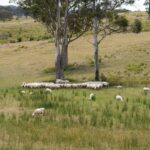
Well-designed housing contributes to meat production. Goats need dry, ventilated shelters to protect them from extreme weather and reduce stress. Space per animal should allow movement and natural behavior. Proper fencing prevents escape and predator attacks. Rotational grazing practices improve pasture quality and minimize overgrazing, ensuring goats have consistent access to nutritious forage.
Growth Monitoring and Record Keeping
Keeping records of growth rates, feed consumption, health treatments, and breeding outcomes helps identify trends and areas for improvement. Regular weighing allows farmers to adjust feeding programs and culling decisions to maintain high-performance herds. Accurate records support strategic decision-making and increase long-term profitability.
Boosting meat production on goat farms in South Africa requires a holistic approach. Selecting the right breeds, providing balanced nutrition, implementing effective breeding programs, maintaining herd health, and practicing good farm management all contribute to higher growth rates and better carcass quality. Monitoring performance and keeping detailed records allow farmers to make informed decisions that maximize productivity. By focusing on these key areas, goat farmers can increase meat yield, improve profitability, and strengthen the sustainability of their farms.
Join 'Farmers Mag' WhatsApp Channel
Get the latest Farming news and tips delivered straight to your WhatsApp
CLICK HERE TO JOIN