Healthy livestock is essential to a productive agricultural sector, secure food supply and thriving rural economy. Across Gauteng, efforts to improve animal health through vaccination, disease surveillance and effective animal movement control are contributing to the protection of farmers, livestock and surrounding communities. The Gauteng Department of Agriculture and Rural Development is making important progress in strengthening the province’s animal health management systems, with encouraging results reflected in vaccination coverage and a significant decline in reported disease outbreaks. With 92% of the provincial livestock herd vaccinated and a reported 96.9% decline in outbreaks, Gauteng is demonstrating the value of sustained investment in livestock health and disease prevention. These achievements highlight the importance of coordinated veterinary services, responsible livestock management and cooperation between government and farmers in building a healthier and more sustainable agricultural sector.
Animal health is a fundamental part of agricultural development because livestock diseases can have serious consequences for farming businesses and the wider food system. Disease outbreaks can affect animal productivity, increase veterinary costs and threaten the livelihoods of farmers who depend on livestock production. In severe cases, animal diseases can also disrupt the movement and marketing of livestock, creating additional financial pressure for producers and other participants in the agricultural value chain. For small-scale and emerging farmers, these challenges can be particularly difficult because livestock often represents an important source of income, savings and household security. Protecting animals from preventable diseases is therefore not simply a veterinary responsibility. It is an important investment in agricultural productivity, economic stability and food security.
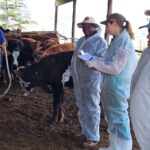
Gauteng’s reported vaccination coverage of 92% of the provincial herd represents an important milestone in strengthening livestock disease prevention. Vaccination helps animals develop protection against specific diseases and can reduce the risk of infection and severe illness. High vaccination coverage also contributes to broader disease control efforts by reducing opportunities for certain diseases to spread through susceptible livestock populations. However, vaccination programmes must be supported by consistent monitoring and appropriate veterinary guidance to remain effective. Farmers need access to reliable information about vaccination schedules, the diseases affecting their livestock and the correct procedures for administering vaccines. Continued cooperation between farmers and animal health officials is essential to maintaining progress and protecting livestock across the province.
The reported 96.9% decline in disease outbreaks is another encouraging development for Gauteng’s agricultural sector. Reducing outbreaks helps protect livestock populations and limits the disruption that animal diseases can cause to farming operations. It can also support greater confidence among farmers and other agricultural stakeholders who depend on healthy animals for sustainable production. Disease surveillance plays an important role in achieving these outcomes because early identification allows veterinary authorities to respond to potential threats before they spread further. Effective surveillance involves monitoring animal health, investigating suspected cases and communicating relevant information to farmers. When supported by timely reporting and appropriate intervention, these measures can strengthen the province’s ability to manage animal disease risks.
Animal movement control is another important part of Gauteng’s approach to protecting livestock health. The movement of animals between farms, markets, auctions and other locations can create opportunities for diseases to spread if the necessary precautions are not followed. Appropriate movement controls help veterinary authorities monitor livestock movements and manage the risks associated with transporting animals between different areas. Farmers also have an important responsibility to comply with applicable veterinary requirements and ensure that animals are moved through the correct procedures. Maintaining accurate movement records and reporting suspicious signs of disease can further support effective disease management. These measures protect individual farming operations while contributing to the health of the wider livestock population.
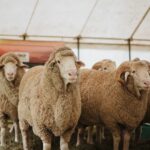
The importance of animal health extends beyond commercial farming operations. Livestock contributes to food production, household livelihoods and economic activity in communities throughout Gauteng. Healthy cattle, sheep, goats, pigs and other farm animals support the availability of animal products and help sustain agricultural businesses. In many communities, livestock also provides financial security and represents a valuable household asset. When disease affects these animals, the consequences can extend to families, workers, traders and businesses connected to the livestock value chain. Investing in disease prevention therefore helps protect more than the animals themselves. It supports the economic and social wellbeing of communities that depend on agriculture.
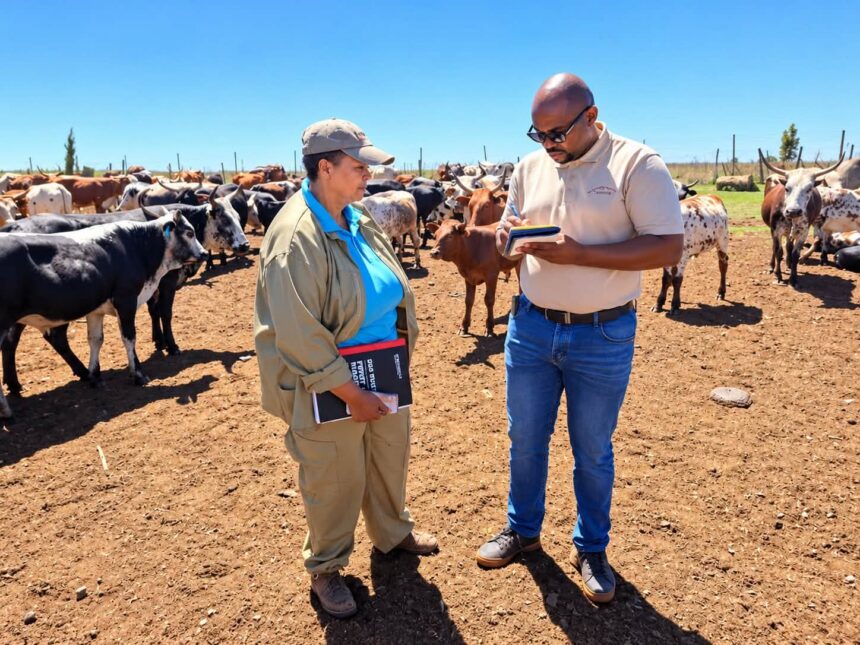
Small-scale and emerging farmers have an important role to play in maintaining the province’s livestock health standards. These producers contribute to local food systems and agricultural development, but they may face challenges accessing veterinary services, vaccines and technical information. Strengthening animal health support can help address these challenges and ensure that more farmers can participate in disease prevention programmes. Access to veterinary advice is particularly valuable because early intervention can prevent minor health concerns from becoming more serious problems. Farmers who understand disease symptoms, vaccination requirements and movement regulations are better equipped to protect their livestock. Government support and farmer education must therefore remain important components of Gauteng’s agricultural development efforts.
Effective animal health management also requires a strong partnership between government and the farming community. Veterinary officials provide technical expertise, disease monitoring and guidance on appropriate control measures, while farmers play a central role in implementing good livestock management practices. Regular communication helps ensure that farmers receive timely information about disease risks and understand the steps they should take when they suspect an outbreak. Reporting unusual animal behaviour, illness or unexplained deaths can help authorities investigate potential threats more quickly. Farmers should also maintain good hygiene practices, follow recommended vaccination programmes and seek veterinary assistance when necessary. This shared responsibility creates a stronger foundation for preventing disease and protecting livestock across the province.
The progress made in Gauteng also highlights the connection between animal health and food security. A reliable food supply depends on productive agricultural systems that can withstand disease risks and other production challenges. Livestock farmers contribute to the supply of meat, milk and other animal products, making animal health an important factor in maintaining food production. Disease outbreaks can affect production levels and disrupt the availability of agricultural products, potentially placing additional pressure on food systems. By strengthening vaccination coverage, surveillance and animal movement control, Gauteng is investing in measures that support more stable livestock production. These interventions can contribute to a stronger agricultural sector that is better positioned to meet the needs of consumers and communities.
Long-term progress will depend on maintaining the systems and partnerships responsible for protecting livestock. Although the reported vaccination coverage and reduction in outbreaks are encouraging, animal health management requires continuous attention. Disease risks can change over time, making ongoing surveillance, vaccination where appropriate and effective veterinary responses essential. Farmers must remain informed about current disease threats and comply with relevant animal health regulations. Government departments must also continue strengthening their capacity to provide veterinary services, monitor livestock health and support farmers with practical guidance. Consistent investment in these areas will help protect the progress already made and improve the province’s ability to respond to future challenges.
Gauteng’s achievements demonstrate how investment in animal health can contribute to stronger farming businesses, healthier livestock and more resilient communities. The reported 92% vaccination coverage and 96.9% decline in outbreaks reflect important progress in the province’s efforts to prevent and manage animal diseases. However, maintaining these gains requires continued cooperation between government, veterinary professionals and farmers. Vaccination, disease surveillance and responsible animal movement remain essential tools for protecting livestock and supporting sustainable agricultural production. The Gauteng Department of Agriculture and Rural Development’s commitment to these priorities reinforces the importance of placing animal health at the centre of agricultural development. Healthy animals mean protected livelihoods, stronger food security and a more sustainable future for Gauteng’s agricultural sector. Together, government and farmers can continue building a healthier livestock industry and stronger communities across the province.
Join 'Farmers Mag' WhatsApp Channel
Get the latest Farming news and tips delivered straight to your WhatsApp
CLICK HERE TO JOIN