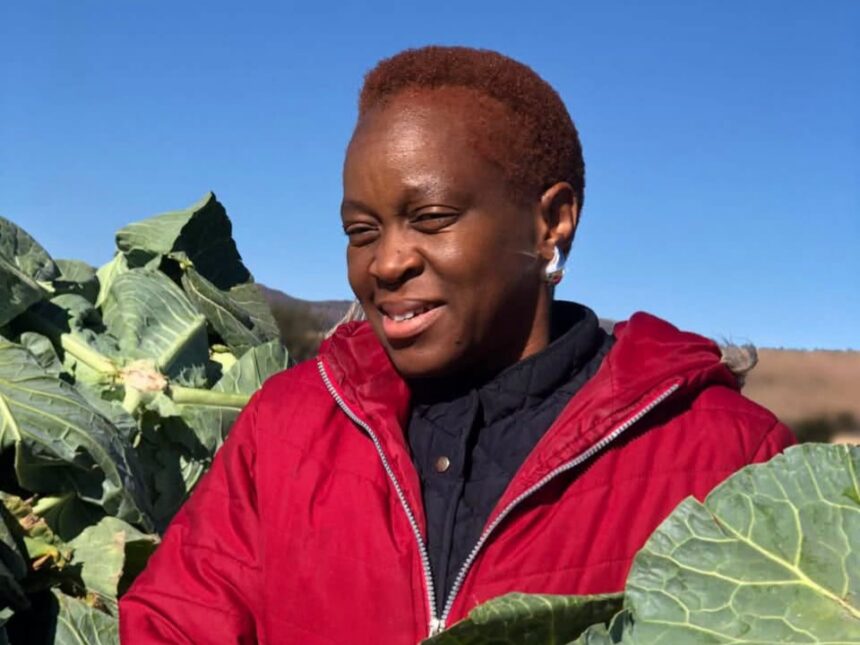
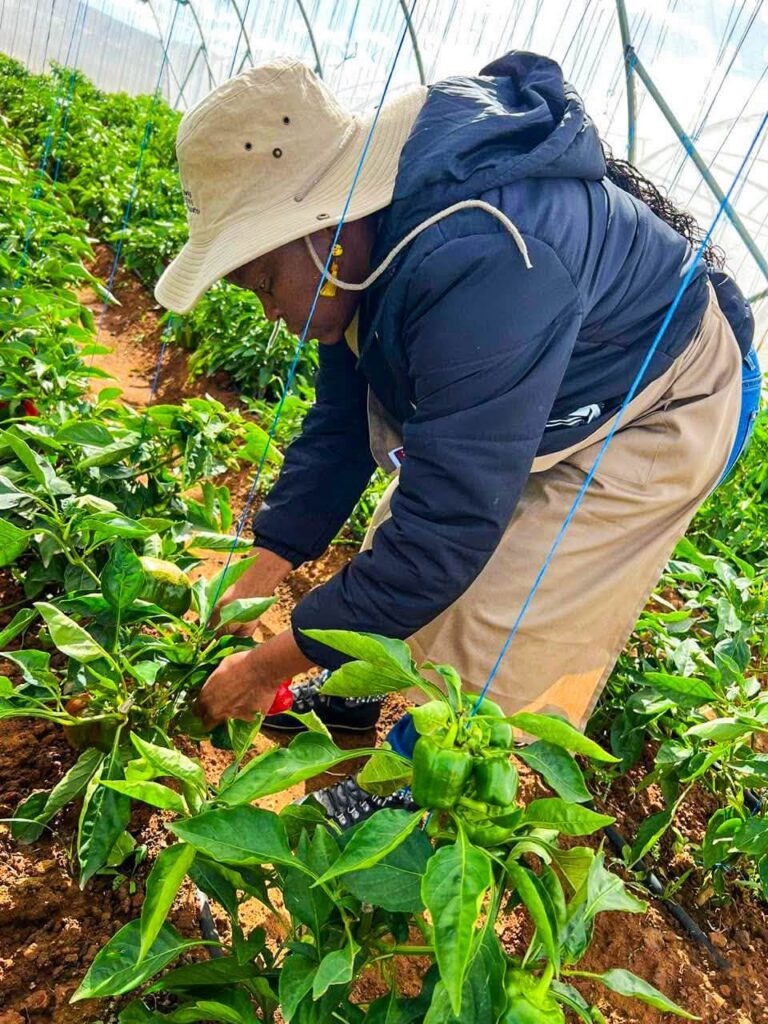
Women continue to play an increasingly important role in South Africa’s agricultural sector, creating businesses that contribute to food production, skills development, employment and local economic growth. Among them is Thandokazi Khoza, founder of Intelminds Farming Intelligence, a women-led agribusiness based in Dyamala Village near Whittlesea. What started as an initiative focused on equipping young people with agricultural skills has developed into a diversified enterprise involved in training, vegetable production and agro-processing. With support from the Eastern Cape Rural Development Agency, known as ECRDA, and the Department of Agriculture, Intelminds has strengthened its production capacity and expanded its market reach. Khoza’s journey demonstrates how targeted agricultural support, practical knowledge and entrepreneurial determination can help women build sustainable businesses while contributing to food security.
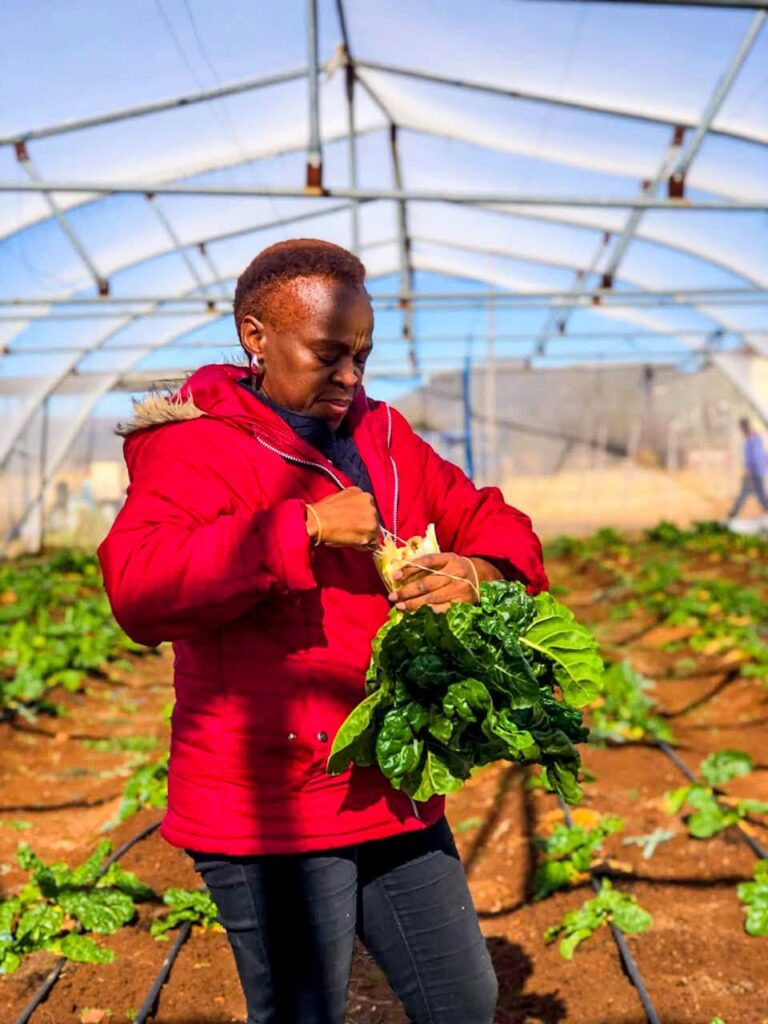
Khoza established Intelminds Farming Intelligence with the aim of giving young people practical agricultural skills that could help them pursue opportunities within the sector. Agriculture offers a wide range of career and business possibilities, but many young people need access to training, resources and practical experience before they can establish successful enterprises. Intelminds has responded to this need by combining agricultural training with actual production and processing activities. This approach allows young people to gain a better understanding of how agricultural businesses operate from production through to the market. The business has therefore developed into more than a farming operation, becoming a platform for skills development and agricultural entrepreneurship.
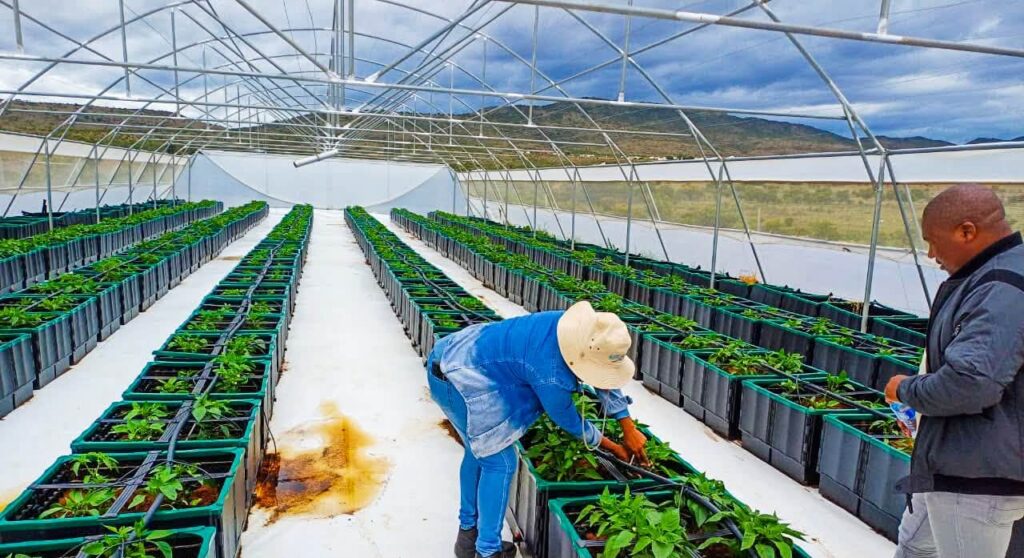
ECRDA has played an important role in helping Intelminds strengthen its vegetable production activities. The agency provided financial assistance for vegetable production inputs over a 12-month period, supporting important activities such as soil preparation and planting. This type of support can be particularly valuable for emerging farmers who face high upfront costs before they can generate income from a crop. Input costs can include land preparation, seed, fertiliser, irrigation and other resources needed to establish a productive growing season. By helping Intelminds manage these initial costs, ECRDA enabled the business to maintain production during a challenging period and create a stronger foundation for future growth.
Khoza says the support arrived at an important time for the business, particularly as high fuel prices increased the cost of agricultural operations. Rising fuel costs can affect farmers through higher expenses for land preparation, transportation, irrigation and the movement of produce to markets. For an emerging agricultural enterprise, these additional costs can place significant pressure on cash flow and make it difficult to maintain production. Khoza explained that ECRDA’s assistance allowed Intelminds to prepare its soil, plant and irrigate during the difficult early months of the production season. The support therefore helped the business overcome a practical financial challenge while protecting its ability to produce vegetables.
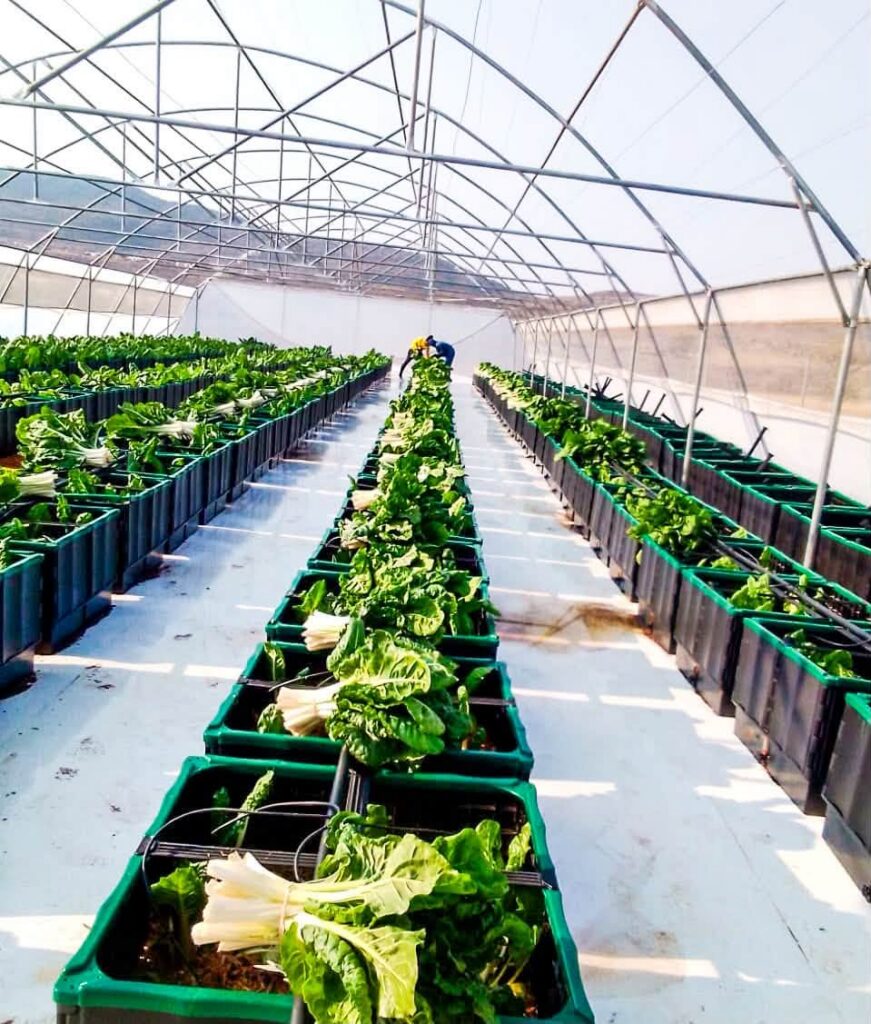
The Department of Agriculture also contributed to Intelminds’ development by supporting the establishment of a packhouse. A packhouse can play an important role in an agricultural business by providing a suitable environment for handling, sorting, packing and preparing fresh produce for market. Proper post-harvest handling can help protect product quality and improve the consistency of produce supplied to customers. The facility also strengthens Intelminds’ ability to meet food safety requirements, which is important when supplying formal retailers, wholesalers and institutional customers. This investment has helped the business move further along the agricultural value chain rather than focusing only on primary production.
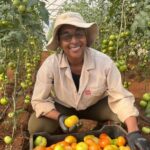
Today, Intelminds produces a diverse range of vegetables that includes potatoes, butternut, cabbage, spinach, peppers, chillies and garlic. This diversity gives the business several products that can be supplied to different customers and markets throughout the year. Producing multiple crops can also help an agricultural enterprise spread production risks and respond to changing consumer demand. Each crop requires appropriate planning, soil management, irrigation and harvesting practices, giving the business an opportunity to develop expertise across different areas of vegetable production. The variety of crops also provides the foundation for Intelminds’ agro-processing activities.
Agro-processing has become another important part of the business, allowing Intelminds to add value to some of the agricultural products it produces. Its processed products include pre-cut vegetables, sauces and jams, which provide alternatives to selling fresh produce directly after harvesting. Processing can extend the potential uses and market life of agricultural products while creating opportunities for businesses to earn additional value from their produce. It can also create new skills requirements in areas such as food preparation, packaging, quality control, marketing and distribution. For Intelminds, the combination of farming and agro-processing demonstrates how an agricultural business can grow by participating in multiple stages of the value chain.
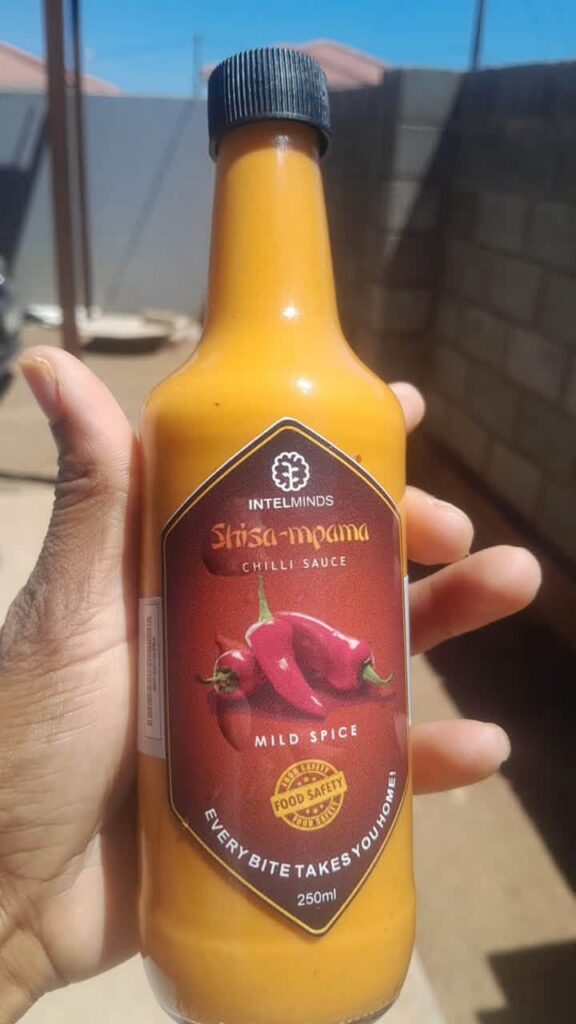
The company’s market reach reflects the progress it has made since its establishment. Intelminds supplies products to retailers and wholesalers including Massmart, Boxer Stores, SPAR and local Pick n Pay stores. Its products also reach fresh produce markets, schools, lodges and a private game reserve, giving the business access to a diverse customer base. Supplying different types of customers can help reduce dependence on a single market while creating opportunities to increase production as demand grows. It also requires the business to maintain consistent quality, reliable supply and appropriate food safety practices.
Access to formal markets can be particularly important for emerging agricultural businesses because it creates opportunities to move beyond small-scale informal sales. Retailers and larger buyers often require producers to meet specific standards relating to product quality, packaging, food safety and supply reliability. The packhouse support provided to Intelminds has helped strengthen the infrastructure needed to meet these requirements. Developing the capacity to supply formal markets can also create opportunities for expansion and encourage further investment in production. For a women-led enterprise such as Intelminds, securing these market relationships represents an important step in building a sustainable agricultural business.
Khoza’s work also highlights the role that women can play in developing agriculture in rural communities. Women-led businesses can contribute directly to food production while creating opportunities for other people to gain skills and employment. By establishing Intelminds around agricultural training, vegetable production and processing, Khoza has created a business model that connects economic activity with skills development. Her experience demonstrates that women can participate across different areas of agriculture, from crop production and farm management to processing, marketing and business leadership. Supporting women entrepreneurs can therefore contribute to broader agricultural development while strengthening the economic base of rural communities.
The story of Intelminds also demonstrates why partnerships between government support agencies and agricultural entrepreneurs can be important. Emerging farmers may have the technical knowledge and determination to operate a business but still face challenges accessing capital, infrastructure and production inputs. Support with specific needs such as soil preparation, irrigation, planting and packhouse facilities can help businesses overcome barriers that might otherwise limit their growth. However, long-term success ultimately depends on effective management, market access, production efficiency and the ability to meet customer requirements. Khoza’s experience shows how targeted support can provide a foundation from which an entrepreneur can build a more independent and commercially focused agricultural enterprise.
ECRDA’s recognition of Khoza as one of the women making their mark in agriculture also highlights the broader contribution of women to the sector. Agriculture is changing, with opportunities emerging not only in primary production but also in training, technology, processing, logistics and food distribution. Businesses such as Intelminds demonstrate how entrepreneurs can combine several of these areas to create more diversified agricultural enterprises. The company’s work with young people is particularly significant because the future of agriculture depends on developing a new generation of skilled farmers, agricultural entrepreneurs and food industry professionals. Giving young people practical skills can help them identify opportunities and become active participants in their local economies.
Intelminds Farming Intelligence has grown from an initiative focused on agricultural skills into a diversified women-led agribusiness producing vegetables, processing food and supplying a range of formal and local markets. The support received from ECRDA and the Department of Agriculture helped the business manage important production costs and strengthen its infrastructure, while Khoza’s leadership has driven its continued development. From potatoes and cabbage to peppers, chillies and garlic, the enterprise is contributing to food production while its sauces, jams and pre-cut vegetables demonstrate the potential of agricultural value addition. Its growing network of customers shows that rural agricultural businesses can build meaningful commercial relationships when they have the capacity to meet market requirements. Thandokazi Khoza’s journey provides a strong example of how women can lead agricultural enterprises, create skills opportunities and contribute to food security and economic development in their communities.
Join 'Farmers Mag' WhatsApp Channel
Get the latest Farming news and tips delivered straight to your WhatsApp
CLICK HERE TO JOIN