South Africa has extended the registration deadline for farms and feedlots supplying red meat to the United Arab Emirates, providing livestock producers with additional time to meet the requirements needed to maintain access to this important international market. Minister of Agriculture Willie Aucamp announced that farms and feedlots supplying livestock for slaughter for red meat exports to the UAE will now have until 31 December 2026 to put the necessary systems in place to comply with Veterinary Procedural Notice 59, also known as VPN-59. The extension is intended to support uninterrupted agricultural trade while giving farmers, feedlot operators and state veterinarians sufficient time to complete the required registration process. It also provides greater certainty to producers who depend on export markets and helps protect the broader red meat value chain from unnecessary disruptions. The decision highlights the importance of maintaining strict animal health and food safety standards while ensuring that regulatory processes do not unnecessarily prevent compliant producers from accessing international markets.
The UAE remains an important destination for South African agricultural products and continued access to the market is significant for the country’s red meat industry. Export markets create opportunities for livestock producers to reach customers beyond the domestic market and can contribute to greater demand throughout the agricultural value chain. Maintaining these markets requires exporters to meet the veterinary, animal health and traceability requirements established by importing countries. VPN-59 plays an important role in this process by setting out requirements that farms and feedlots must meet when supplying livestock for slaughter destined for red meat exports to the UAE. The extension therefore gives producers additional time to meet these obligations without creating an immediate break in eligible trade.
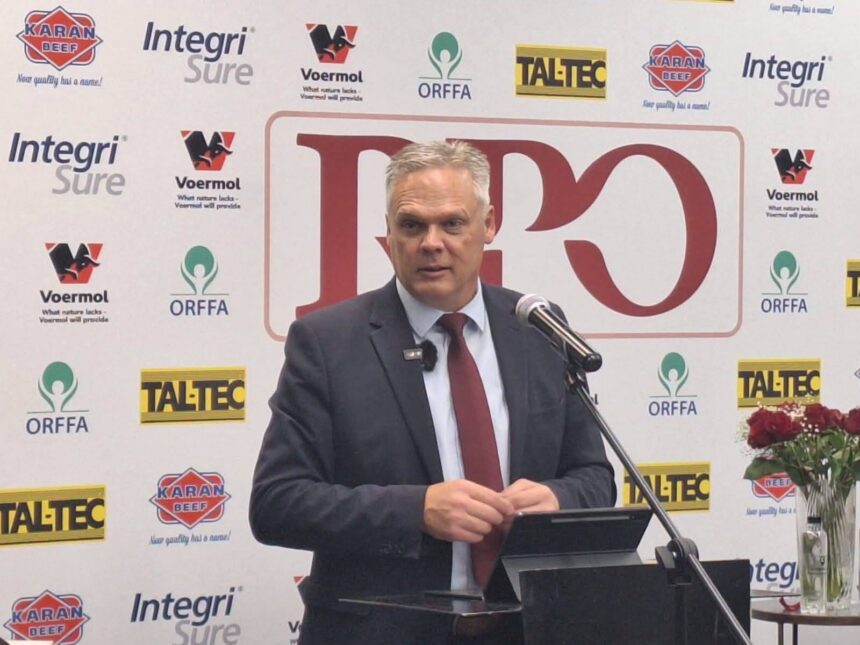
Minister Aucamp said the extension was critical for the livestock sector and agricultural trade relations with the UAE. He explained that allowing trade to continue while state veterinarians and farmers complete the registration process would help protect local livelihoods and support market continuity. The minister also stressed the importance of ensuring that the South African red meat industry can meet international standards without unnecessary disruption. This approach seeks to balance two important objectives, namely maintaining access to a valuable export market and ensuring that livestock entering the export supply chain meets the required standards. The extension does not remove the obligations placed on farms and feedlots, but instead provides additional time to complete the process.
During the extended period, exports will only be allowed under specific conditions. The relevant facility must first be inspected by the responsible provincial state veterinarian, who will assess whether the facility meets the applicable requirements. Compliance with those requirements must then be verified before the facility can continue through the registration process. In addition, a compliant application form for registration of the farm or feedlot must have been submitted to the Directorate: Animal Health for processing. These conditions mean that the extension does not provide unrestricted access to the UAE export market, as facilities must still demonstrate compliance and take the necessary administrative steps.
The role of provincial state veterinarians is therefore central to the implementation of the extended registration period. Their inspections provide an important verification mechanism to determine whether farms and feedlots meet the requirements applicable to livestock destined for the UAE red meat export market. Producers need to work closely with the responsible veterinary authorities to ensure that inspections are completed and that any identified compliance gaps are addressed. This process can help facilities understand what is required before they submit their registration applications. It also strengthens confidence in the integrity of the export system by ensuring that facilities participating during the extension period have undergone the necessary checks.
The requirement to submit a compliant registration application to the Directorate: Animal Health is another important part of the extension. Producers cannot simply continue supplying livestock because the deadline has been extended. They must actively progress through the registration process and ensure that their applications contain the information and documentation required by the authorities. Any gaps or errors in an application could delay processing and potentially affect a facility’s ability to continue supplying livestock for export. Farmers and feedlot operators should therefore use the additional time to review their systems, complete inspections and submit their applications as early as possible rather than waiting until the final deadline.
For livestock producers, the extension can provide valuable breathing room to make the necessary operational adjustments. Compliance with international export requirements can involve changes to farm management systems, record keeping, animal health procedures, infrastructure and other processes. Producers may need to ensure that their systems can demonstrate compliance during inspections and support the documentation required for registration. The additional period through 31 December 2026 gives farms and feedlots an opportunity to identify weaknesses and address them before the final deadline arrives. Taking action early can also reduce the risk of delays or complications as the deadline approaches.
The extension is also significant for businesses throughout the red meat value chain. Livestock producers, feedlots, abattoirs, transport operators, exporters and other service providers are connected through the movement of animals and meat from farms to international markets. Any significant interruption to exports can have consequences beyond individual farms because reduced market access can affect demand, prices and business planning across the supply chain. By supporting continuity while registration requirements are being completed, the government is seeking to reduce the risk of avoidable disruption. Maintaining predictable export channels can help businesses plan their operations while continuing to meet the veterinary standards required for international trade.
At the same time, the extension should not be interpreted as a relaxation of animal health or food safety standards. Minister Aucamp made it clear that the extension is intended to facilitate completion of the registration process and prevent unnecessary interruptions to trade. Farms and feedlots remain subject to the applicable registration requirements throughout the extended period. The conditions attached to continued exports ensure that facilities still need to undergo inspection, demonstrate compliance and submit the required registration application. This distinction is important because international agricultural markets depend on confidence in the safety, quality and integrity of exported products.
The 31 December 2026 deadline is therefore an important date for every farm and feedlot supplying livestock for slaughter for red meat exports to the UAE. After this date, facilities that have not completed the required registration will not be eligible to supply livestock for slaughter for UAE red meat exports. Exports originating from unregistered facilities will not be supported or endorsed by the relevant authorities. Producers who rely on this market therefore have a clear incentive to complete the registration process well before the deadline. Waiting until the final months could create avoidable pressure if inspections, corrective measures or application processing take longer than expected.
The Department of Agriculture and the Ministry have also reaffirmed their commitment to supporting South African producers as they seek to expand their presence in international markets. This support is important because export growth depends not only on market demand but also on producers’ ability to meet increasingly detailed regulatory and veterinary requirements. Strong cooperation between farmers, provincial veterinary services and national authorities can help make compliance more efficient while maintaining the standards expected by international trading partners. The registration process also provides an opportunity for producers to strengthen their internal systems and improve their readiness for future export requirements. Maintaining high standards can help protect South Africa’s reputation as a reliable supplier of agricultural products.
The decision to extend the registration deadline ultimately provides the South African red meat sector with an opportunity to protect trade continuity while completing an important regulatory process. Farmers and feedlot operators supplying the UAE should use the additional time to engage with their responsible provincial state veterinarian, complete the required inspections, address compliance gaps and submit compliant registration applications to the Directorate: Animal Health. The extension creates additional time, but it does not remove the responsibility to register or comply with VPN-59 requirements. With the final deadline set for 31 December 2026, timely action will be essential for facilities that want to remain eligible to supply livestock for UAE red meat exports. By combining continued market access with firm compliance requirements, the measure aims to protect agricultural livelihoods, strengthen international trade relations and support the long-term credibility of South Africa’s red meat export industry.
Join 'Farmers Mag' WhatsApp Channel
Get the latest Farming news and tips delivered straight to your WhatsApp
CLICK HERE TO JOIN