

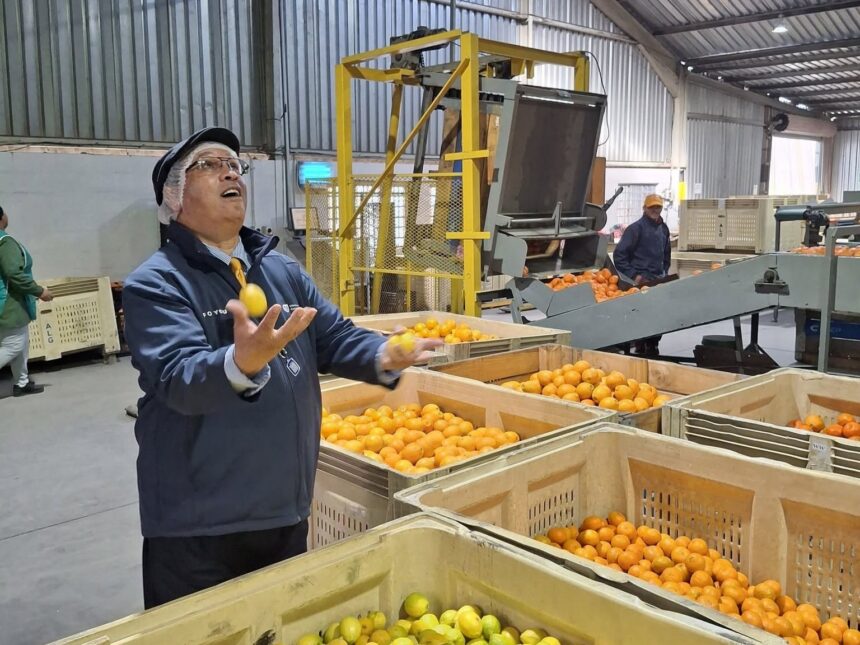
South Africa has achieved a major milestone in the global citrus industry by overtaking Spain to become the world’s largest exporter of citrus by volume. The achievement has been welcomed by Western Cape Minister of Agriculture, Economic Development and Tourism, Dr Ivan Meyer, who congratulated the Citrus Growers Association of Southern Africa (CGA), citrus producers, farm workers, exporters and other industry stakeholders. For farmers, the milestone represents more than recognition on the international stage because it reflects the growth, resilience and competitiveness of the local citrus sector. South Africa’s ability to supply large volumes of quality citrus to international markets demonstrates the strength of its producers and the systems supporting them. The achievement also creates an opportunity for the industry to build on its success by expanding markets, improving infrastructure and creating more sustainable opportunities for farming communities.
Minister Meyer described South Africa’s rise to the top as a proud and historic moment, particularly for the Western Cape, which plays an important role in the country’s agricultural economy. He said the provincial government remains committed to supporting agriculture through its Growth for Jobs Strategy, which aims to help productive sectors expand, create employment and contribute to economic growth. For citrus farmers, an environment that supports investment and expansion is important because orchards require significant capital, careful planning and long-term management. Farmers also depend on reliable infrastructure, access to markets, skilled workers and appropriate agricultural support to remain competitive. Continued cooperation between government and the private sector can help create conditions that allow citrus businesses to grow while supporting employment and rural livelihoods.
South Africa’s citrus industry has expanded considerably over the past decade, driven by strong international demand and investment across the production and export value chain. Farmers have adopted improved production practices and invested in orchard development, technology and quality management to meet the requirements of international buyers. Citrus production also requires careful attention to irrigation, pest and disease management, harvesting, packing and post-harvest handling. These processes all contribute to the quality of fruit that eventually reaches consumers in international markets. The country’s export performance demonstrates how investments made at farm level can contribute to a much larger agricultural value chain that connects producers with buyers around the world.
For citrus growers, international market access remains one of the most important factors behind the industry’s success. South African producers operate in a competitive global environment where buyers expect consistent quality, reliable supply and compliance with strict phytosanitary and food safety requirements. Meeting these standards requires farmers to maintain strong production and record-keeping systems while working closely with packhouses, exporters and agricultural specialists. Successful exports can give farmers access to larger markets and create opportunities to increase production over time. However, maintaining market access requires constant attention because international regulations, trade policies and consumer expectations can change.
The country’s achievement also highlights the importance of logistics to the citrus farming business. Citrus is a perishable agricultural product, which means delays between harvesting and reaching international markets can affect quality and increase costs. Farmers therefore depend on efficient roads, rail services, ports, cold storage facilities and other logistics infrastructure to move fruit from orchards to consumers. Minister Meyer emphasised the need for continued investment in infrastructure to protect the industry’s competitiveness. Improving the efficiency of the agricultural export chain can help reduce unnecessary costs and enable growers to deliver fruit to overseas markets more reliably.
Biosecurity is another area that will require continued attention as South Africa expands its position in the global citrus market. Citrus producers need effective systems to prevent and manage pests and diseases that can affect orchards and threaten access to international markets. A serious plant health problem can reduce production and potentially lead to restrictions on exports from affected areas. Farmers therefore have a direct interest in strong surveillance, effective pest management and close cooperation with agricultural authorities. Continued investment in biosecurity can protect orchards while helping South African citrus maintain the confidence of international buyers.
The growth of the citrus industry has important implications for rural employment and local economies. Citrus farms require workers for orchard maintenance, harvesting and other seasonal activities, while packhouses and logistics operations create additional employment opportunities. Businesses that supply farms with equipment, fertiliser, irrigation systems, packaging materials, transport and professional services also benefit from a strong citrus sector. This means that export growth can have an economic impact well beyond individual farms. Maintaining a competitive industry can therefore help protect jobs and support livelihoods in rural communities where agricultural activity provides an important source of income.
The Western Cape is an important contributor to South Africa’s agricultural export performance, with citrus producers in the province supplying markets that demand high-quality fruit. Minister Meyer said Western Cape citrus producers have consistently met international standards and contributed to the country’s export growth. This performance reflects the experience and investment of farmers as well as the work of employees and businesses across the value chain. Maintaining these standards will be essential as growers seek to protect existing markets and gain access to new destinations. The province’s citrus industry can also contribute to the broader objectives of using agriculture as a driver of economic growth and job creation.
Market diversification will be particularly important for the future of the industry. While established export destinations remain valuable, farmers and exporters can benefit from developing opportunities in additional international markets. Greater market diversity can reduce the risks associated with relying heavily on a limited number of destinations and can create additional demand during different periods of the production season. Opening new markets, however, requires negotiations between governments and compliance with the technical requirements of importing countries. Minister Meyer stressed the importance of resolving trade barriers and maintaining strong international relationships so that South African citrus remains competitive and accessible to consumers around the world.
Farmers also face challenges that must be addressed if the industry is to maintain its current growth trajectory. Rising production costs, climate pressures, water availability, pests, diseases and infrastructure constraints can all affect the profitability of citrus farming. Producers must constantly balance these pressures with the need to invest in orchards, equipment, technology and quality improvements. Access to reliable information, agricultural research and appropriate support can help farmers make better decisions as conditions change. Continued collaboration between growers, government, industry organisations and other stakeholders will therefore remain important in protecting the long-term sustainability of citrus farming.
The achievement of becoming the world’s largest citrus exporter by volume also reflects the importance of collaboration across the agricultural value chain. The Citrus Growers Association has played an important role in representing producers and supporting the development of the industry, while farmers and farm workers remain central to production. Exporters, logistics companies, packhouses, researchers, government institutions and international buyers also contribute to the movement of South African citrus into global markets. Each part of the value chain must function effectively for farmers to compete internationally. Strengthening these relationships can help the sector respond to new challenges while taking advantage of opportunities created by growing global demand.
South Africa’s position as the world’s largest citrus exporter by volume is a significant achievement for the country’s farmers and agricultural sector. It shows that local producers can compete successfully in international markets when they combine investment, innovation, quality production and effective market strategies. The achievement also creates a responsibility to protect the foundations that made this growth possible, particularly infrastructure, biosecurity, market access and farmer support. For citrus growers, the next phase will involve maintaining quality, improving efficiency, managing production risks and reaching new consumers in international markets. If the industry continues to work together and address its challenges, South Africa’s citrus sector can use this milestone as a foundation for further export growth, stronger rural economies and more sustainable farming opportunities.
Join 'Farmers Mag' WhatsApp Channel
Get the latest Farming news and tips delivered straight to your WhatsApp
CLICK HERE TO JOIN




