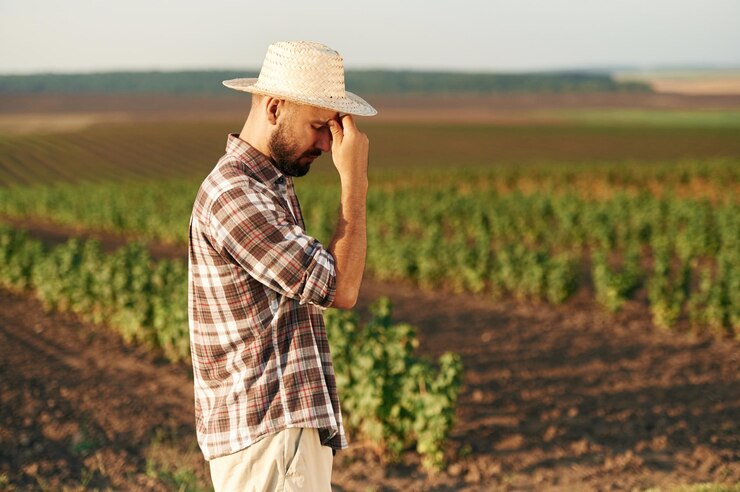
Mental health is becoming an increasingly important issue in South African agriculture, where farmers face constant pressure from economic uncertainty, climate change, and rising production costs. Farming is often seen as a physical occupation, but the emotional and psychological demands are just as significant. Many farmers work long hours with limited rest, while also carrying responsibility for food production, employees, and financial stability. These pressures can build up over time and lead to stress, anxiety, and burnout. Understanding mental health in farming communities is essential for building a stronger and more sustainable agricultural sector.
Farmers in South Africa deal with unique challenges that directly affect their mental wellbeing. Unpredictable weather patterns, including droughts and floods, can destroy entire seasons of work and create serious financial strain. Livestock diseases, crop failures, and fluctuating market prices add further uncertainty to daily operations. Many farmers also operate in rural areas where access to mental health services is limited or difficult to reach. This combination of isolation and pressure increases vulnerability to mental health struggles. In some cases, farmers may suffer in silence because mental health is still stigmatized in many communities.
Financial stress is one of the leading factors affecting mental health in agriculture. Rising input costs for fuel, fertiliser, feed, and equipment place pressure on already tight profit margins. When harvests are poor or market prices drop, farmers may struggle to cover basic expenses or repay loans. This financial instability creates ongoing worry that can affect sleep, decision making, and overall wellbeing. Over time, this stress can reduce productivity and increase the risk of serious mental health conditions. Supporting farmers with better financial tools and advisory services can help reduce this burden.
Social isolation also plays a major role in farmer mental health challenges. Many farmers live and work in remote areas where they have limited daily interaction with others outside their household or workers. Long working hours often leave little time for social connection or leisure activities. This isolation can increase feelings of loneliness, especially during difficult farming seasons. Building stronger rural support networks and encouraging farmer groups can help reduce isolation and create spaces for shared experiences and advice. Community connection is a key protective factor for mental wellbeing.
Access to mental health services remains a major gap in rural agricultural areas. Many farming communities are far from clinics or professionals trained in mental health care. Even when services are available, stigma may prevent farmers from seeking help early. Integrating mental health support into agricultural extension services can help bridge this gap. Training extension officers to recognize signs of stress and provide basic support or referrals can make a significant difference. Mobile health services and telehealth platforms can also improve access in remote farming regions.
The agricultural sector itself can play a role in promoting better mental health outcomes. Organizations and government departments involved in agriculture can include mental health awareness in training programmes, workshops, and farmer support initiatives. Encouraging open conversations about stress and wellbeing helps reduce stigma and normalizes seeking help. Peer support systems, where farmers share experiences and coping strategies, can also provide practical emotional support. Creating a culture that values wellbeing alongside productivity is essential for long term sustainability in farming.
The importance of mental health for farmers in South Africa cannot be ignored if the sector is to remain productive and resilient. Farmers are the backbone of food production, and their wellbeing directly affects national food security. Addressing mental health challenges requires a combined effort from government, agricultural organizations, communities, and farmers themselves. By improving access to support, reducing stigma, and strengthening rural networks, the agricultural sector can become more supportive and sustainable. Healthy farmers are better equipped to manage challenges, make sound decisions, and continue producing food for the country.
Join 'Farmers Mag' WhatsApp Channel
Get the latest Farming news and tips delivered straight to your WhatsApp
CLICK HERE TO JOIN