South African farmers continue to face rising production costs that put pressure on profitability and long term sustainability. Inputs such as fertiliser, seeds, animal feed, fuel and equipment often take up a large share of farm budgets. One practical strategy gaining attention is sourcing affordable inputs from the Southern African Development Community region, also known as SADC. This regional bloc includes neighbouring countries that trade agricultural goods and services across shared borders. By tapping into these markets, farmers can reduce costs, improve supply stability and strengthen cross border trade relationships. The approach requires planning and awareness of trade regulations, but it can significantly improve farm competitiveness.
The SADC region includes countries such as Botswana, Namibia, Zambia, Zimbabwe, Mozambique and Tanzania, all of which produce agricultural inputs at varying scales. Many of these countries offer competitive pricing on fertiliser, grain products, livestock feed and farming equipment due to lower production or distribution costs. Farmers in South Africa can benefit from currency exchange advantages when sourcing from certain neighbouring markets. Bulk purchasing across borders can also reduce unit costs, especially for cooperatives or farming groups. However, it is important to understand import duties, border procedures and quality standards before making purchases. Proper planning ensures that cost savings are not offset by delays or compliance issues.
Trade within the SADC region is supported by agreements under the Southern African Development Community, which promotes reduced trade barriers and improved regional integration. These agreements aim to simplify movement of goods, including agricultural inputs, across member states. For farmers, this can translate into easier access to alternative suppliers outside South Africa’s domestic market. It also encourages competition among suppliers, which can help drive down prices. Understanding how these trade frameworks work allows farmers to take advantage of preferential tariffs and smoother customs processes. Working with registered import agents can further simplify cross border transactions.
Fertiliser is one of the most commonly sourced inputs from the SADC region due to price fluctuations in the global market. Countries such as Mozambique and Zambia often supply raw materials or blended fertiliser products that can be more affordable than local options. Seed procurement is another area where regional sourcing can help, especially for drought resistant or climate adapted varieties. Livestock farmers may also benefit from purchasing feed ingredients such as maize and soy products from neighbouring countries with surplus production. These inputs can help stabilise production costs during periods of domestic shortage or price spikes. Farmers who build reliable supplier networks across borders often gain a competitive advantage in managing seasonal variability.
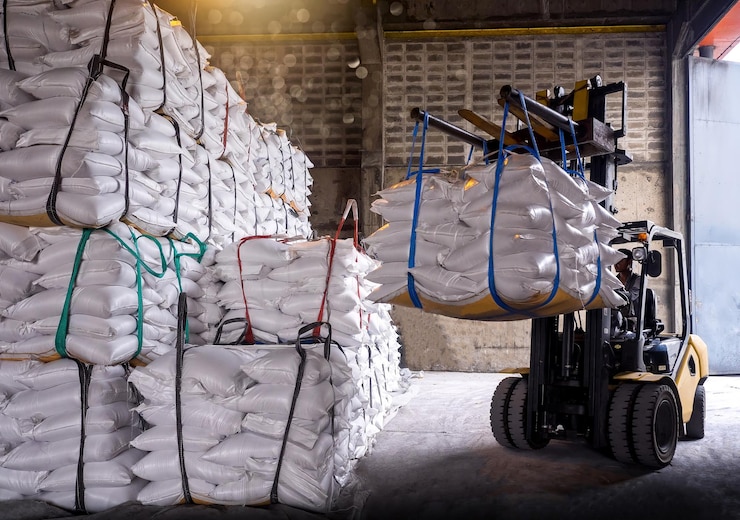
Transport and logistics play a critical role in the success of sourcing inputs from the SADC region. Road freight is the most common method of moving goods into South Africa, but it requires careful coordination to avoid delays at border posts. Farmers must factor in fuel costs, customs clearance fees and storage requirements when calculating total input costs. In some cases, working with logistics companies that specialise in regional agricultural trade can reduce complications. Proper documentation, including invoices, import permits and quality certificates, is essential to avoid legal or operational setbacks. Efficient logistics planning ensures that cost savings from sourcing abroad are not lost during transportation.
Quality control is another important consideration when sourcing agricultural inputs across borders. Farmers must ensure that fertilisers, seeds and feed products meet South African regulatory standards before use. Substandard inputs can reduce yields, damage soil health or negatively impact livestock performance. Working with reputable suppliers and verifying product certifications helps reduce these risks. In some cases, farmers may choose to test small batches before committing to large scale imports. This cautious approach helps maintain production quality while exploring new supply chains. Strong quality assurance practices are essential for long term success in cross border sourcing.
Access to information also plays a key role in making informed sourcing decisions. Farmers who stay updated on regional market prices, trade policies and supplier availability are better positioned to take advantage of cost saving opportunities. Agricultural cooperatives and farmer associations often share valuable insights on trusted suppliers and market trends within the SADC region. Digital platforms and trade networks are also becoming important tools for connecting buyers and sellers across borders. These resources help farmers compare prices, evaluate suppliers and plan purchases more effectively. Knowledge sharing within farming communities strengthens collective bargaining power and reduces individual risk.
Sourcing affordable inputs from the SADC region offers South African farmers a practical way to reduce costs and improve farm resilience. When managed carefully, cross border trade can provide access to cheaper fertiliser, seed and feed while also expanding supply options. Success depends on understanding trade regulations, managing logistics and ensuring product quality. Farmers who build strong regional networks and use reliable suppliers can benefit from more stable input pricing. This approach supports long term sustainability by reducing dependence on single domestic supply chains. As regional trade continues to grow, the SADC market will remain an important opportunity for cost conscious and forward thinking farmers.
Join 'Farmers Mag' WhatsApp Channel
Get the latest Farming news and tips delivered straight to your WhatsApp
CLICK HERE TO JOIN