Permaculture is becoming an increasingly valuable approach for small-scale farmers in South Africa who want to improve productivity while protecting natural resources. As climate change, water scarcity and rising input costs continue to challenge the agricultural sector, many farmers are looking for sustainable farming systems that can reduce dependence on expensive external inputs. Permaculture offers a practical framework that works with nature rather than against it. By carefully designing farming systems that mimic natural ecosystems, farmers can create productive, resilient and environmentally friendly operations. For small farms in particular, permaculture provides opportunities to maximise limited resources while improving long-term sustainability.
At the heart of permaculture is the principle of observing and understanding the natural environment before making management decisions. Every farm has unique characteristics, including soil type, rainfall patterns, topography and vegetation. Successful permaculture design begins with careful observation of these factors to determine how resources such as water, sunlight and nutrients move through the landscape. By understanding these natural processes, farmers can position crops, livestock and infrastructure in ways that increase efficiency and reduce waste. This approach helps create farming systems that are better adapted to local conditions and more resilient to environmental challenges.
Water management is one of the most important permaculture principles for South African farmers. Many parts of the country experience irregular rainfall and recurring drought conditions, making water conservation essential. Permaculture encourages farmers to harvest and store rainwater, improve soil water retention and slow runoff through techniques such as swales, contour planting and mulching. These methods help maximise the use of available water while reducing erosion and soil degradation. Effective water management not only supports crop production but also strengthens the farm’s ability to withstand dry periods and changing weather patterns.
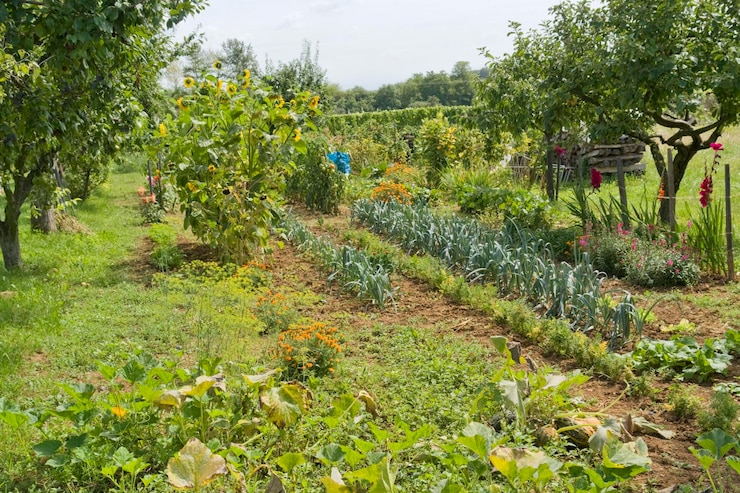
Diversity is another key element of permaculture design. Rather than relying on a single crop or enterprise, permaculture systems promote the integration of different crops, trees, livestock and beneficial insects. Diverse farming systems are generally more resilient because they reduce vulnerability to pests, diseases and market fluctuations. Intercropping, agroforestry and mixed livestock systems can improve soil fertility, increase biodiversity and create multiple income streams for farmers. In South Africa, where agricultural conditions vary significantly between regions, diversity can help small farms adapt to changing circumstances while improving overall productivity.
Healthy soil forms the foundation of successful permaculture farming. Permaculture principles encourage farmers to build soil fertility naturally through composting, cover cropping, mulching and reduced soil disturbance. These practices increase organic matter levels, improve soil structure and enhance the ability of the soil to retain moisture and nutrients. Healthy soils support stronger plant growth and reduce the need for synthetic fertilisers. Over time, improved soil health can lead to higher yields, lower production costs and greater resilience against drought and other environmental stresses.
Permaculture also focuses on making efficient use of available resources by creating systems where one component supports another. For example, livestock manure can be used to fertilise crops, while crop residues can provide feed or compost material. Trees can offer shade for animals, reduce wind damage and contribute organic matter to the soil. This interconnected approach reduces waste and creates a more self-sustaining farming system. By designing farms where resources circulate efficiently, small-scale farmers can lower costs and improve long-term profitability.
Community involvement and knowledge sharing are important aspects of permaculture development in South Africa. Many successful permaculture projects involve cooperation between farmers, agricultural organisations and local communities. Training programmes, demonstration farms and farmer networks help spread practical knowledge and encourage innovation. These initiatives enable farmers to learn from each other’s experiences and adapt permaculture techniques to local conditions. The exchange of knowledge is particularly valuable for emerging farmers who may have limited access to formal agricultural support services.
Permaculture design principles offer a practical and sustainable pathway for small farms in South Africa. By focusing on water conservation, biodiversity, soil health and efficient resource use, farmers can build resilient systems that are better equipped to handle economic and environmental challenges. The approach supports both productivity and environmental stewardship, making it increasingly relevant in a changing agricultural landscape. As more farmers adopt permaculture practices, the potential exists to strengthen food security, improve rural livelihoods and promote sustainable agricultural development. For small-scale producers seeking long-term success, permaculture provides a valuable framework for creating productive farms that work in harmony with nature.
Join 'Farmers Mag' WhatsApp Channel
Get the latest Farming news and tips delivered straight to your WhatsApp
CLICK HERE TO JOIN