

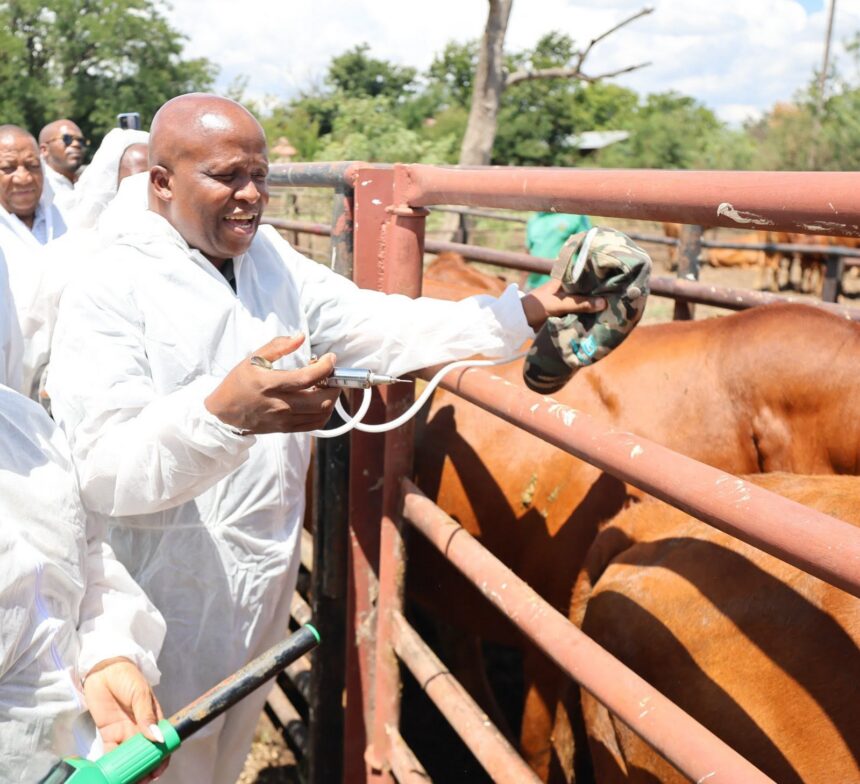
The North West Department of Agriculture and Rural Development continues to strengthen its response to Foot-and-Mouth Disease (FMD) as it works to protect livestock, support farming communities and safeguard the province’s agricultural economy. FMD remains one of the most significant animal health challenges affecting livestock production, making effective disease management a top priority for authorities. Through coordinated vaccination campaigns, enhanced surveillance and close collaboration with farmers and veterinary professionals, the department is taking decisive steps to contain the disease and prevent further spread. These efforts are critical in maintaining animal health, protecting farmer livelihoods and ensuring the long-term sustainability of the livestock sector. The department’s ongoing interventions demonstrate a strong commitment to preserving one of the province’s most important economic industries.
According to the latest figures, a total of 2,475 locations across the North West Province have been affected by Foot-and-Mouth Disease. The scale of the outbreak has required a comprehensive and carefully managed response involving multiple stakeholders across the agricultural sector. As part of the department’s disease control programme, an impressive 772,352 animals have already been vaccinated. This milestone represents significant progress in reducing the risk of transmission and strengthening herd immunity in affected areas. The vaccination campaign remains one of the most important tools available in limiting the spread of the disease and protecting vulnerable livestock populations.
The department has deployed vaccination teams, Animal Health Technicians and veterinary officials to remain actively engaged in affected communities. These teams are responsible for administering vaccines, monitoring animal health and providing guidance to livestock owners on best practices for disease prevention. Surveillance activities are also being intensified to ensure that new cases are identified and addressed as quickly as possible. By maintaining a strong presence in affected regions, officials can gather valuable information that helps guide response strategies and improve disease control measures. Continuous monitoring also allows authorities to assess the effectiveness of interventions and make adjustments where necessary.
Farmers play a crucial role in the success of the disease control programme, and the department has urged livestock owners to cooperate fully with vaccination teams and veterinary officials. Strict adherence to biosecurity protocols is essential in preventing the movement of infected animals and limiting the spread of the virus. Farmers are encouraged to implement measures such as restricting unnecessary animal movement, maintaining proper hygiene practices and following veterinary advice. Effective disease management requires a partnership between government authorities and livestock owners, with both parties sharing responsibility for protecting animal health. The department believes that strong cooperation at community level will significantly improve the effectiveness of ongoing interventions.
Early detection remains one of the most powerful tools in controlling Foot-and-Mouth Disease outbreaks. The North West Department of Agriculture and Rural Development has called on all livestock owners to immediately report any suspected signs of the disease to their nearest State Veterinarian, Private Veterinarian, Animal Health Technician or Extension Officer. Prompt reporting enables veterinary teams to investigate cases quickly and implement control measures before outbreaks spread further. Delayed reporting can increase the risk of transmission and make disease management more challenging. By remaining vigilant and reporting concerns without delay, farmers can contribute directly to protecting their herds and the broader livestock industry.
The department has reaffirmed its commitment to protecting animal health through coordinated, science-based interventions that support both farmers and rural communities. The progress achieved through the vaccination of more than 772,000 animals demonstrates the effectiveness of a united response involving government officials, veterinary professionals and livestock owners. While challenges remain, the ongoing surveillance and vaccination efforts provide a strong foundation for controlling the disease and reducing its impact on the agricultural sector. Protecting livestock health is essential for food security, economic stability and the sustainability of farming enterprises across the province. As the fight against Foot-and-Mouth Disease continues, the North West Department of Agriculture and Rural Development remains focused on ensuring a healthier and more resilient future for the province’s livestock industry.
Join 'Farmers Mag' WhatsApp Channel
Get the latest Farming news and tips delivered straight to your WhatsApp
CLICK HERE TO JOIN




