Agritourism in South Africa is growing as more farmers and rural entrepreneurs look for ways to diversify income and strengthen local economies. It combines agriculture and tourism by allowing visitors to experience farming activities, rural life, and food production systems firsthand. This model creates new revenue streams while also educating the public about where food comes from and how it is produced. South Africa has strong potential for agritourism because of its diverse farming landscapes, rich cultural heritage, and established tourism industry. When structured correctly, agritourism can support job creation, rural development, and small business growth in farming communities.
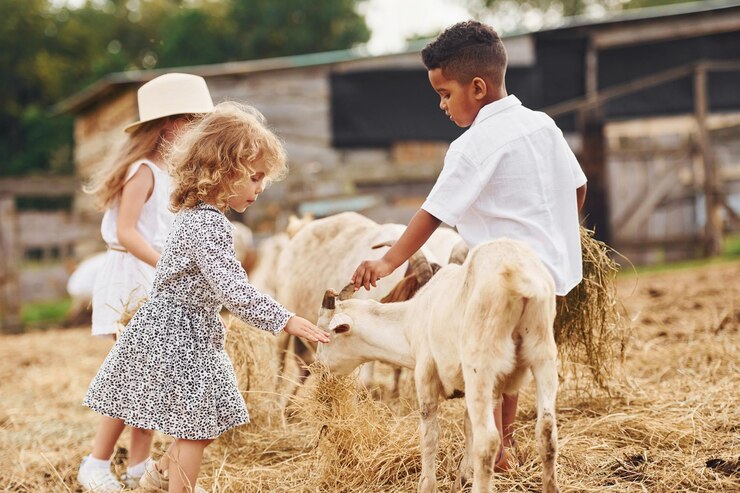
Starting an agritourism venture requires careful planning and a clear understanding of both agriculture and tourism markets. You need a functioning farm or agricultural space that can safely accommodate visitors without disrupting production. Common agritourism activities include farm tours, fruit picking, animal feeding experiences, farm stays, vineyard visits, and farm-to-table dining experiences. Each activity must be designed around safety, accessibility, and visitor engagement. In South Africa, successful agritourism businesses often combine farming with hospitality services such as accommodation, guided tours, and local cultural experiences.
Location plays a major role in the success of an agritourism business. Farms located near major cities like Johannesburg, Cape Town, Durban, and Pretoria often attract more visitors due to easier access. Rural areas with scenic landscapes, wildlife, or unique farming practices also have strong potential if marketed correctly. Infrastructure such as roads, signage, clean facilities, and communication networks is essential for attracting and retaining visitors. Without basic infrastructure, even high quality farm experiences can struggle to reach their full tourism potential.
Financial planning is critical when developing an agritourism venture. You need to calculate start up costs such as upgrading facilities, building visitor areas, training staff, marketing, and obtaining permits. Revenue streams can come from entrance fees, guided tours, accommodation, food sales, product sales, and workshops. Many agritourism businesses also increase income by selling value added products such as cheese, honey, preserves, or fresh produce directly to visitors. Pricing must reflect both operational costs and the value of the experience offered to tourists. A clear business model helps ensure long term sustainability and profitability.
Marketing is one of the most important factors in building a successful agritourism business in South Africa. Digital platforms such as websites, social media, and online travel listings help attract both local and international tourists. High quality photos and storytelling content are essential to showcase farm experiences and create interest. Partnerships with travel agencies, local tourism boards, and hospitality networks can also increase visibility. Word of mouth remains powerful, especially when visitors have authentic and memorable experiences on the farm.
Compliance with regulations is another key requirement. Agritourism operators must follow health and safety standards, zoning laws, environmental regulations, and tourism licensing requirements where applicable. Insurance coverage is also necessary to protect against risks involving visitors, livestock, and farm operations. Environmental sustainability should be a core principle, with responsible water use, waste management, and conservation practices integrated into daily operations. These measures help protect both the business and the natural environment that supports it.
Agritourism also offers strong social and educational benefits. It helps bridge the gap between urban consumers and rural producers by increasing awareness of agricultural processes. School groups, families, and international tourists gain hands on learning experiences that promote appreciation for farming. It also creates employment opportunities in rural areas, especially for youth and women. Skills development in hospitality, guiding, marketing, and farm management becomes part of the local economic impact.
Developing an agritourism venture in South Africa requires vision, investment, and commitment to both agriculture and tourism excellence. It is not only about opening a farm to visitors but about creating meaningful experiences that connect people to food, nature, and rural life. When done correctly, agritourism strengthens farm resilience, supports local economies, and promotes sustainable development. The sector continues to grow as demand increases for authentic travel experiences and educational tourism. With proper planning and innovation, agritourism can become a powerful driver of rural transformation and long term agricultural sustainability.
Join 'Farmers Mag' WhatsApp Channel
Get the latest Farming news and tips delivered straight to your WhatsApp
CLICK HERE TO JOIN