The agricultural sector in South Africa is undergoing rapid change, and a new youth-focused initiative is aiming to shape its future from the ground up. The Transvaal Agricultural Union South Africa, known as TLU SA, has launched its first-ever Youth Farmer of the Year competition in 2026, building on the success of its established Young Farmer of the Year programme. This new initiative is designed to reach learners at school level and introduce them early to agriculture as a modern, innovative and opportunity-rich career path. It comes at a time when the sector is facing a shortage of young farmers, rising climate pressures and increasing demand for sustainable food production systems. The programme is positioned as a long-term investment in human capital, ensuring that agriculture remains relevant, accessible and attractive to the next generation.
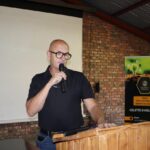
According to TLU SA General Manager Bennie van Zyl, the organisation sees the competition as a natural extension of its commitment to youth development in farming. He emphasises that the Young Farmer of the Year platform has already demonstrated how young people can bring fresh thinking and innovation into agriculture. The new youth competition expands this vision by targeting school-going learners, particularly in primary and secondary education. Schools will play a central role in identifying learners with agricultural interest and supporting them through the competition process. Participation does not require access to farmland, which makes the programme inclusive and accessible to learners from both rural and urban environments. This approach ensures that agricultural education starts early and reaches a wider pool of potential future farmers.
The structure of the competition is built around clear guidelines that encourage practical learning and real-world application. Learners are required to design and implement small agricultural projects within their own environments, documenting every stage from planning to execution and results. Projects can include activities such as vegetable gardening, poultry farming, hydroponics systems, compost production or even small-scale food processing initiatives. This flexibility allows learners to adapt their projects based on available space, resources and local conditions. Entries are already open in 2026, and schools are expected to assist with coordination, supervision and documentation. Parental or guardian consent is also required to ensure transparency during judging and possible media exposure.
The judging process focuses on innovation, sustainability, feasibility, record-keeping and overall impact. This means learners must not only produce results but also demonstrate how they think, plan and manage their projects. The emphasis on documentation teaches discipline and accountability, which are essential skills in modern agriculture. Participants are encouraged to track costs, monitor growth cycles and evaluate productivity outcomes. These requirements reflect real farming conditions where decision-making and record management play a critical role in profitability. By applying these principles early, learners gain practical exposure to agribusiness thinking and operational planning.
One of the key challenges the initiative seeks to address is the ageing population within the farming sector. Many experienced farmers are approaching retirement, while fewer young people are entering agriculture as a career. At the same time, agriculture is becoming more technologically advanced, with tools such as precision farming systems and automated irrigation changing how food is produced. Climate change has also increased uncertainty, requiring farmers to adopt more adaptive and resilient production methods. The competition responds directly to these challenges by positioning agriculture as a modern, innovative and intellectually engaging field. It aims to shift perceptions among young people who may not previously have considered farming as a viable career path.
A major strength of the programme is its focus on farming beyond traditional land ownership. Learners are encouraged to develop agricultural ideas regardless of whether they live on farms or in urban areas. This includes exploring urban agriculture models such as container gardens, vertical farming systems and small-scale aquaponics setups. The approach reflects global trends where food production is increasingly taking place in cities and peri-urban spaces. It also ensures that learners from different socio-economic backgrounds can participate equally in the competition. By removing barriers to entry, the initiative broadens access to agricultural education and encourages creativity in limited-space environments.
The programme also introduces learners to the concept of agripreneurship, which combines agriculture with entrepreneurship. Participants are encouraged to think beyond production and consider aspects such as market access, cost management, value addition and product distribution. This business-oriented approach helps learners understand how farming can become a profitable and sustainable enterprise. It also exposes them to real-world challenges such as budgeting, supply chain management and customer demand. According to Van Zyl, this mindset shift is essential for building a new generation of farmers who are not only producers but also innovators and business leaders. The goal is to prepare learners for a competitive and evolving agricultural economy.
Responsibility and sustainability are central themes embedded in the competition framework. Learners are expected to take full ownership of their projects, from planning through to evaluation. This includes tracking progress, solving problems and making improvements where necessary. Sustainability is particularly important given the growing impact of climate change on South African agriculture. Participants are encouraged to explore water-saving techniques, soil improvement methods and environmentally responsible farming practices. Innovation is also rewarded, especially when learners demonstrate creative solutions using limited resources. These lessons help build long-term awareness of environmental stewardship within the next generation of farmers.
The initiative also plays a role in bridging the urban and rural divide in agriculture. In urban areas, learners may introduce innovative food production methods to their communities, while in rural areas, the programme reinforces agriculture as both a traditional and modern economic activity. This dual impact helps reshape public perceptions of farming across different communities. It also encourages knowledge exchange between learners from diverse backgrounds. By connecting education with practical experience, the competition strengthens the relationship between agriculture and everyday life. This broader engagement is essential for building a more inclusive agricultural sector.
The launch of the Youth Farmer of the Year competition represents a timely intervention in South Africa’s agricultural development strategy. By focusing on school learners, TLU SA is investing in long-term human capital development at a critical stage. The programme recognises that the future of agriculture depends not only on technology and policy but also on the people who choose to enter the sector. It creates a structured pathway for young people to explore farming as a career while developing practical and entrepreneurial skills. If successful, the initiative could serve as a model for youth agricultural engagement across the continent. The future of farming in South Africa will be shaped by how effectively the sector nurtures, supports and inspires its young talent today.
Join 'Farmers Mag' WhatsApp Channel
Get the latest Farming news and tips delivered straight to your WhatsApp
CLICK HERE TO JOIN