Severe flooding in parts of the Western Cape has placed significant pressure on small scale livestock farmers who depend on natural grazing to sustain their animals. In areas such as Sandvlei and Macassar, grazing lands were heavily damaged, leaving many farming families without reliable feed sources for their cattle and other livestock. The destruction of pasture has created immediate challenges for food security within farming households and increased the risk of livestock losses. In response to this crisis, humanitarian and agricultural support organisations have stepped in to provide urgent relief. The situation highlights how extreme weather events continue to affect vulnerable farming communities across Western Cape.
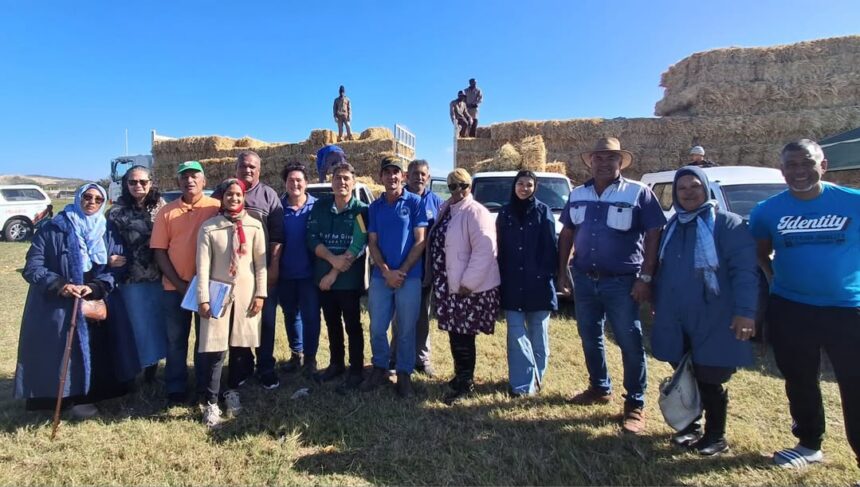
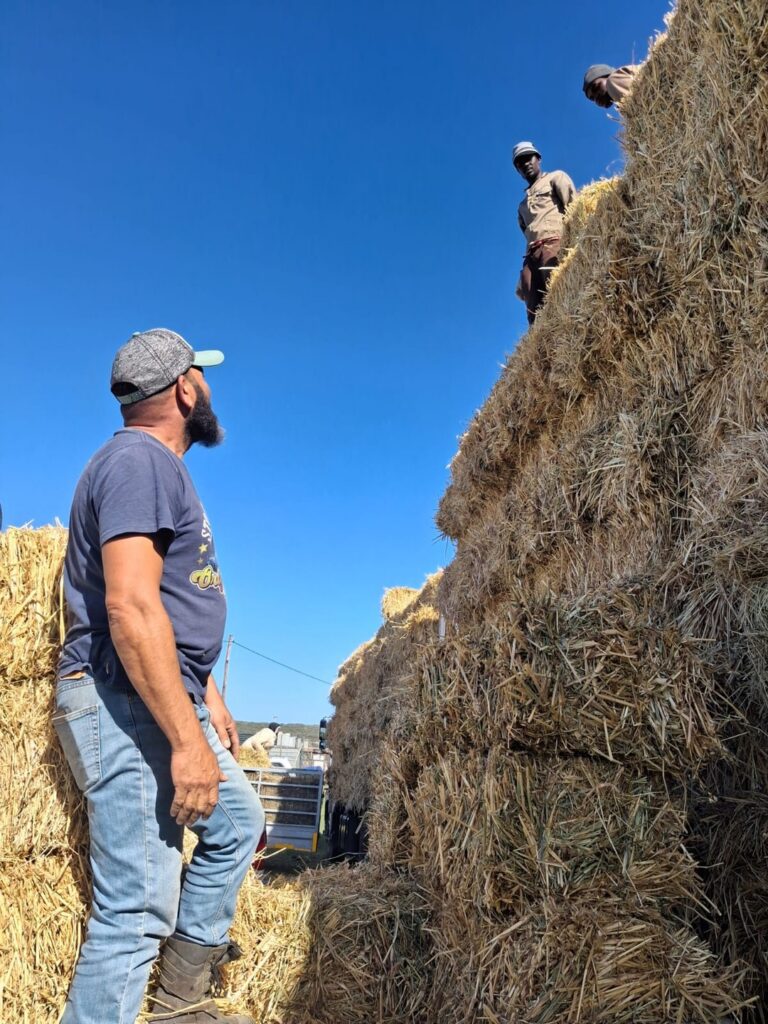
One of the most significant interventions came from Gift of the Givers, which delivered 1 000 bales of oat hay to affected farmers in Sandvlei and Macassar. The emergency feed delivery was aimed at preventing livestock starvation and stabilising herds that were at risk due to the loss of grazing land. For many small scale farmers, livestock represents both income and long term financial security, making the support critical for their survival. The oat hay provides immediate nutritional relief for animals while farmers work to restore damaged grazing areas. This type of rapid response plays an important role in reducing the long term economic impact of natural disasters on rural communities.
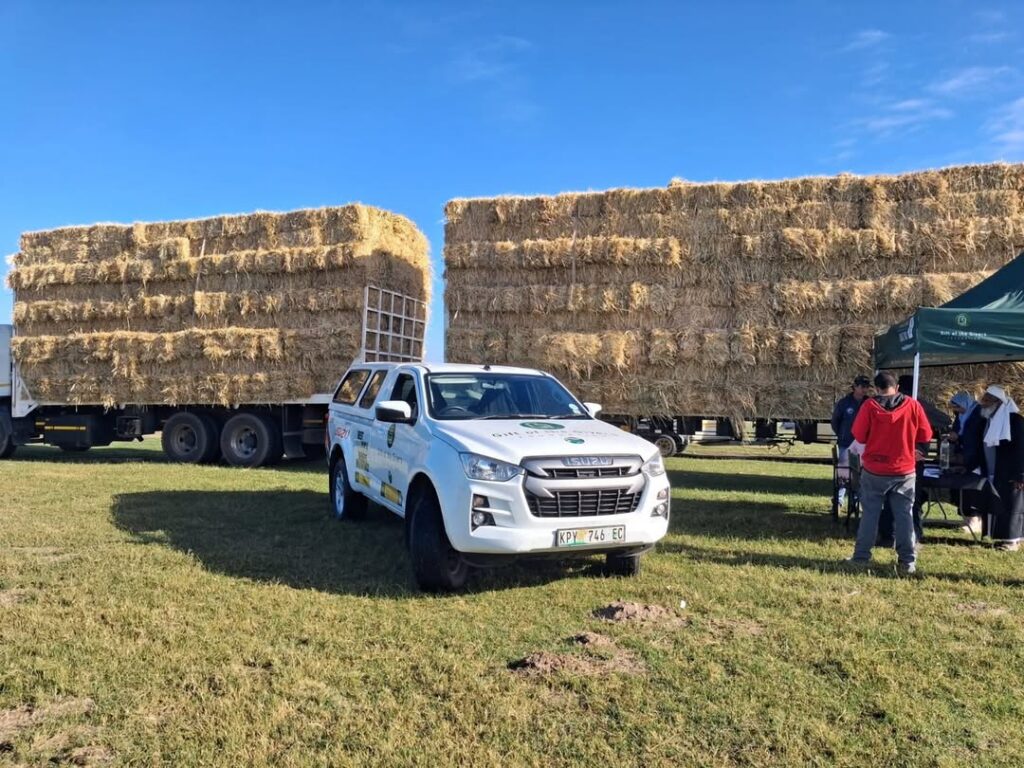
Small scale farmers in the affected areas rely heavily on open grazing systems where livestock feed naturally on available pasture. When flooding destroys these grazing fields, farmers often have limited alternatives for feeding their animals, especially if they lack stored feed or financial resources to purchase supplements. The delivery of hay helps bridge this gap by providing temporary feed security during the recovery period. It also reduces the risk of livestock weight loss, illness and potential deaths caused by starvation or weakened immunity. In agricultural communities like Sandvlei and Macassar, even short periods of feed shortage can have long lasting effects on household income and food availability.
The response effort has been widely welcomed by farming families who have expressed gratitude for the timely assistance. Many farmers described the support as a source of relief during a difficult period where uncertainty about livestock survival was high. The provision of feed not only protects animals but also helps preserve livelihoods that depend on livestock sales and milk production. For households that rely on small scale farming as their main source of income, such interventions can determine whether they recover quickly or fall into deeper financial hardship. The emotional impact of receiving support during a crisis also strengthens community resilience and encourages continued farming activity despite setbacks.
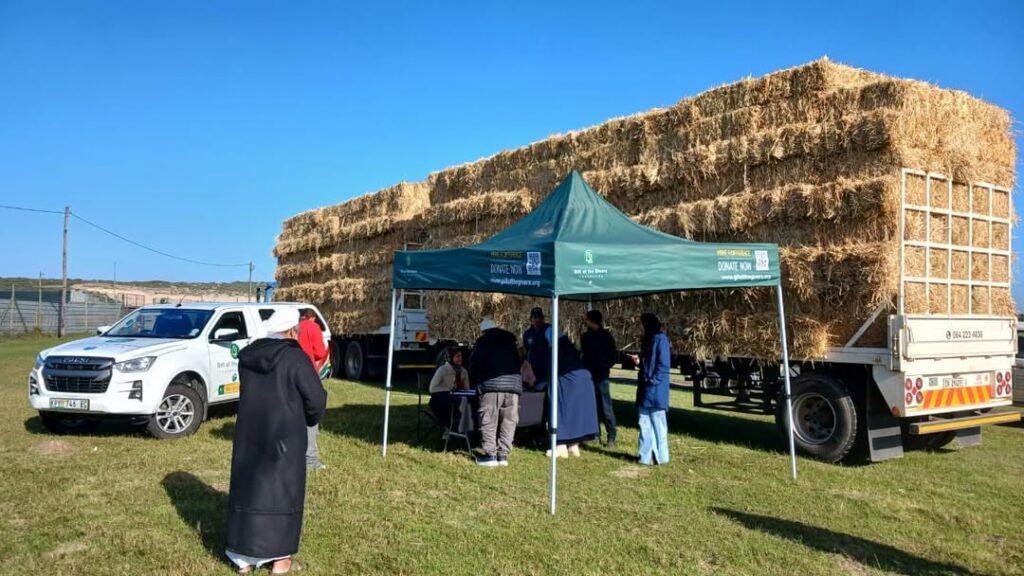
Flood recovery in agricultural areas often requires both immediate relief and longer term rehabilitation of damaged land. While emergency feed support addresses urgent needs, farmers will still need assistance in restoring grazing areas and improving water management systems to reduce future vulnerability. Soil recovery, replanting of pasture species and improved drainage systems are likely to form part of the longer term recovery process. Support from organisations and government partners will remain important as communities work to rebuild productive farming systems. Without sustained intervention, the effects of flooding can continue to disrupt agricultural activity long after waters have receded.
The assistance delivered in Sandvlei and Macassar demonstrates the importance of coordinated disaster response in protecting rural livelihoods. By providing immediate relief in the form of oat hay, Gift of the Givers has helped stabilise farming households during a critical recovery phase. The support has given farmers time to plan for the restoration of their grazing lands while ensuring that their livestock remain alive and healthy. As climate related disasters become more frequent, similar interventions are likely to play an increasingly important role in safeguarding agricultural communities. The response has brought renewed hope to farmers in the Western Cape, reinforcing the importance of solidarity and rapid action in times of crisis.
Join 'Farmers Mag' WhatsApp Channel
Get the latest Farming news and tips delivered straight to your WhatsApp
CLICK HERE TO JOIN