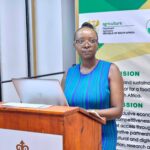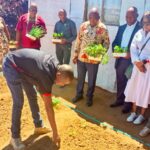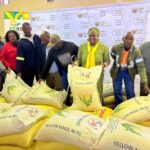

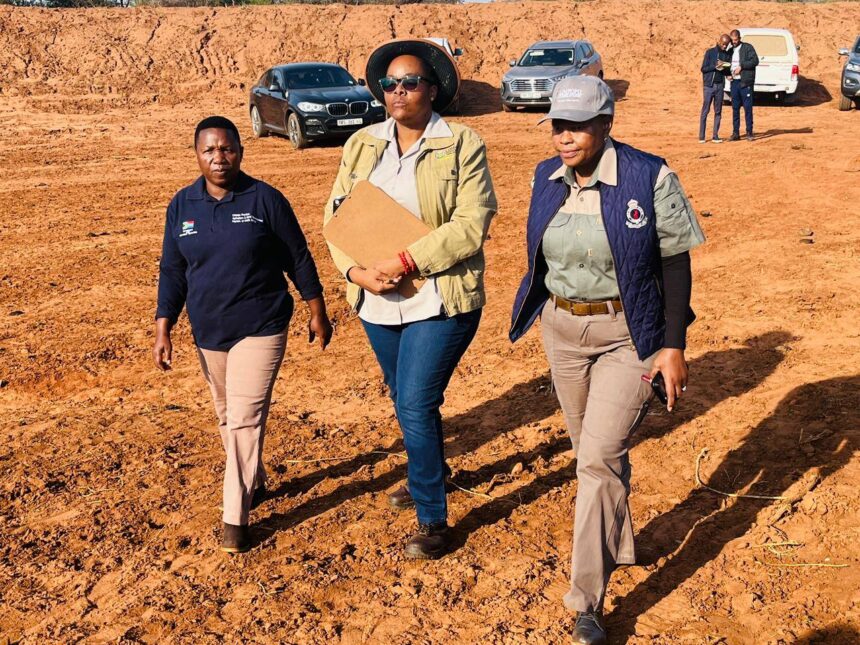
Limpopo MEC for Agriculture and Rural Development, Nakedi Kekana, continued with Day 2 of the District Development Model Service Delivery Week in Mogalakwena Local Municipality by reinforcing government’s commitment to sustainable farming and livestock protection. The visit formed part of the Premier’s Intensive Service Delivery Week currently taking place in the Waterberg District, where government departments are engaging directly with communities and assessing the impact of ongoing development projects. MEC Kekana focused on critical agricultural infrastructure that supports livestock farmers who continue to face challenges linked to water shortages and changing climate conditions. Her oversight visit highlighted the importance of practical interventions that directly improve farming operations and strengthen food security in rural communities. The initiative also demonstrated government’s broader objective of improving service delivery through coordinated action between public institutions, private sector stakeholders, civil society organisations and traditional leadership structures.
During the visit, MEC Kekana inspected several earth dam infrastructure projects that play an important role in supporting livestock farming activities in Mogalakwena Local Municipality. The projects included Lennes Earth Dam, Tiberius Earth Dam and Buffelshoek Earth Dam, all of which are designed to improve water accessibility for livestock farmers in surrounding communities. Water scarcity remains one of the major obstacles affecting agricultural productivity in many rural areas across Limpopo, especially during dry seasons when grazing conditions become difficult. By investing in water infrastructure, the provincial government aims to reduce the vulnerability of livestock farmers while ensuring that animals have sustainable access to water throughout the year. These interventions are also expected to support emerging farmers who often struggle with limited infrastructure and resources needed to maintain healthy livestock operations.
MEC Kekana expressed satisfaction with the progress made on the dam projects and described them as critical investments that will contribute to long term agricultural sustainability in the province. She noted that reliable water infrastructure not only benefits livestock production but also improves the livelihoods of rural families who depend on farming as a primary source of income. The MEC emphasised that agriculture remains one of the key sectors capable of driving economic growth, creating employment opportunities and reducing poverty in rural communities. She further stressed that government infrastructure projects must deliver meaningful and measurable benefits for ordinary citizens, especially those living in underdeveloped areas. Her visit served as both an oversight exercise and a motivational engagement with local farmers who continue to work under difficult environmental and economic conditions.
The District Development Model has become an important framework for improving coordination between different levels of government and ensuring that development initiatives respond directly to community needs. MEC Kekana highlighted the importance of collaboration between government departments, municipalities, private companies, traditional leaders and civil society organisations in achieving lasting rural development. She explained that effective partnerships are necessary to ensure that infrastructure projects are properly maintained and continue to serve communities for many years. Through collaborative planning and implementation, government hopes to avoid fragmented service delivery and create more integrated rural development programmes. This approach also allows local communities to participate more actively in identifying challenges and contributing towards practical solutions that improve their living conditions.
During her engagement with farmers, MEC Kekana encouraged agricultural producers to make full use of their local agro-ecological zones to maximise productivity and improve food security. She advised farmers to utilise available government support services that are designed to strengthen farming operations and provide technical assistance where needed. These support mechanisms include veterinary services, agricultural extension programmes and infrastructure support aimed at helping farmers adapt to environmental challenges. The MEC also highlighted the importance of innovation and proper resource management in ensuring sustainable farming practices. Her message reflected government’s intention to empower farmers with the knowledge, tools and infrastructure needed to increase agricultural output while protecting natural resources.
The ongoing Service Delivery Week in Waterberg District continues to demonstrate government’s effort to engage directly with communities and monitor the implementation of development programmes on the ground. Projects such as the Lennes, Tiberius and Buffelshoek earth dams represent more than just infrastructure investments because they directly affect food production, economic activity and rural livelihoods. Farmers in the area are expected to benefit from improved water access, which is essential for maintaining healthy livestock and sustaining agricultural productivity. The provincial government believes that strengthening rural infrastructure will help create more resilient farming communities that can better withstand environmental and economic pressures. These interventions also contribute towards broader provincial goals of promoting inclusive economic growth and supporting emerging agricultural enterprises.
MEC Nakedi Kekana’s visit to Mogalakwena Local Municipality reinforced the Limpopo government’s commitment to practical service delivery and sustainable rural development. By prioritising water infrastructure for livestock farmers, the province is addressing one of the most pressing challenges affecting agricultural communities in the region. The earth dam projects inspected during the visit are expected to improve farming conditions while supporting food security and local economic development. The emphasis on collaboration, farmer support and integrated service delivery reflects a long term strategy aimed at transforming rural communities and strengthening the agricultural sector. As the Premier’s Intensive Service Delivery Week continues in Waterberg District, the provincial government remains focused on ensuring that development projects produce lasting benefits for communities across Limpopo.
Join 'Farmers Mag' WhatsApp Channel
Get the latest Farming news and tips delivered straight to your WhatsApp
CLICK HERE TO JOIN