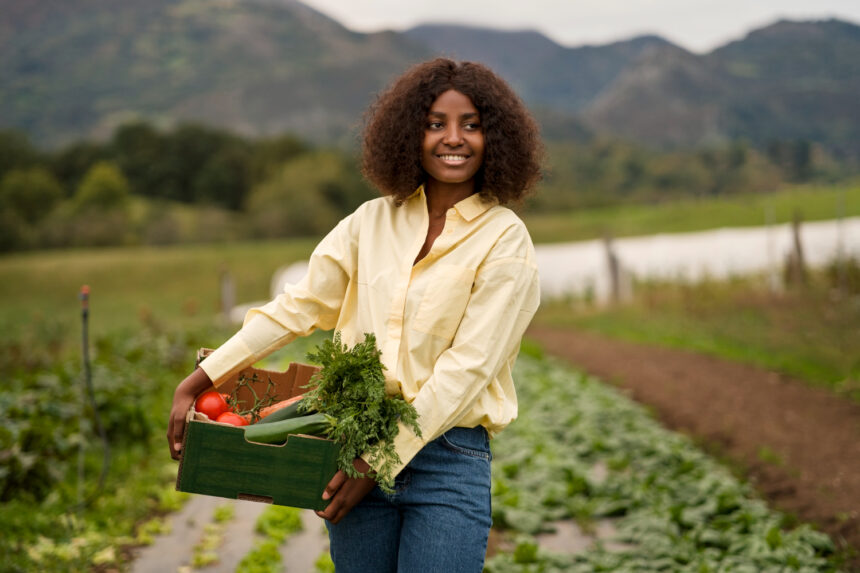
Farming offers a growing avenue for youth in South Africa to generate income, gain entrepreneurial skills, and contribute to local food security. With high unemployment rates among young people, small-scale farming and agricultural side hustles present practical opportunities to earn while learning valuable business and production skills. These ventures can range from backyard vegetable gardens to small livestock operations, aquaponics, or beekeeping. Engaging in farming side hustles allows youth to develop an understanding of supply chains, customer demand, and sustainable practices, all while making tangible contributions to their communities. With minimal startup costs and increasing access to technology and mentorship programs, agricultural ventures are becoming an accessible and profitable option for young South Africans.
Starting a farming side hustle begins with identifying crops or livestock that suit local conditions, available space, and market demand. Vegetables such as spinach, tomatoes, and peppers are popular for small-scale production due to their fast growth cycles and high local demand. Poultry farming, including egg production and broiler rearing, is another viable option, providing steady cash flow with proper management. Innovative ventures like mushroom farming, beekeeping, and aquaponics combine small footprints with high returns, allowing youth to maximize limited resources. Proper planning, research, and consultation with local agricultural extension officers or mentors increase the likelihood of success by ensuring that production aligns with seasonal cycles and market trends.
Marketing and sales play a key role in the profitability of youth farming ventures. Social media platforms and local community networks offer accessible ways to reach customers, advertise products, and build loyal clientele. Farmers’ markets, local shops, and direct delivery to households are practical channels to sell produce and livestock products. Some young entrepreneurs explore value addition, such as producing herbal teas, dried vegetables, or processed honey, which can increase income and market appeal. Understanding customer preferences and consistently delivering quality products helps establish a reliable reputation, which is essential for growing the business beyond a small side hustle.
Resource management and sustainability are essential aspects of small-scale farming for youth. Efficient use of water, soil fertility, and feed for livestock ensures long-term productivity and reduces costs. Composting, rainwater harvesting, and integrated pest management are practical strategies to improve sustainability while minimizing environmental impact. Learning to manage finances, track expenses, and reinvest profits is equally important, as it enables the side hustle to grow into a more substantial agricultural business over time. Developing these skills early prepares youth for future opportunities in commercial farming or agribusiness ventures.
Farming side hustles provide South African youth with more than just income; they offer skills, independence, and a pathway to entrepreneurship. By starting small, focusing on local demand, and using sustainable practices, young farmers can establish profitable ventures that contribute to food security and community development. Mentorship, access to resources, and continuous learning are critical to overcoming challenges such as limited capital, market competition, and seasonal variability. With dedication and strategic planning, agricultural side hustles can evolve into long-term enterprises, empowering youth to participate actively in the agricultural sector. Engaging in farming not only builds financial resilience but also fosters innovation, responsibility, and a deeper connection to South Africa’s rural and urban food systems.
Join 'Farmers Mag' WhatsApp Channel
Get the latest Farming news and tips delivered straight to your WhatsApp
CLICK HERE TO JOIN