Clay soil is common across many farming areas in South Africa and it can support strong crop production when managed correctly. This soil type holds water well and stores nutrients, but it drains slowly and can become compact. Farmers often struggle with waterlogging, hard soil during dry periods, and poor root growth if they plant the wrong crops. Choosing the right crops makes a major difference in yield and soil health. You can still achieve strong production on clay soil if you match crops to its strengths. The key is to focus on plants that tolerate moisture retention and benefit from nutrient-rich soil conditions. Good crop selection reduces risk and improves long-term farm productivity.
Maize is one of the most suitable crops for clay soil in many parts of South Africa. It performs well because clay soil holds the moisture maize needs during early growth stages. The soil also provides strong nutrient support, which helps with stalk development and grain formation. However, you must manage drainage carefully to avoid waterlogged roots. Planting on raised rows or ridges improves performance significantly. With proper soil preparation, maize can produce stable yields even in heavy clay conditions. Farmers often rely on maize as a staple crop because of its strong local demand.
Sorghum is another excellent crop choice for clay soil. It is more drought-tolerant than maize and can handle tough growing conditions. Clay soil supports sorghum well because it retains moisture during dry periods. The crop also has deep roots that help it access nutrients stored in the soil. Sorghum is used for food, animal feed, and brewing, which gives it multiple market opportunities. It performs especially well in regions where rainfall is inconsistent. This makes it a reliable option for farmers who want lower risk production.
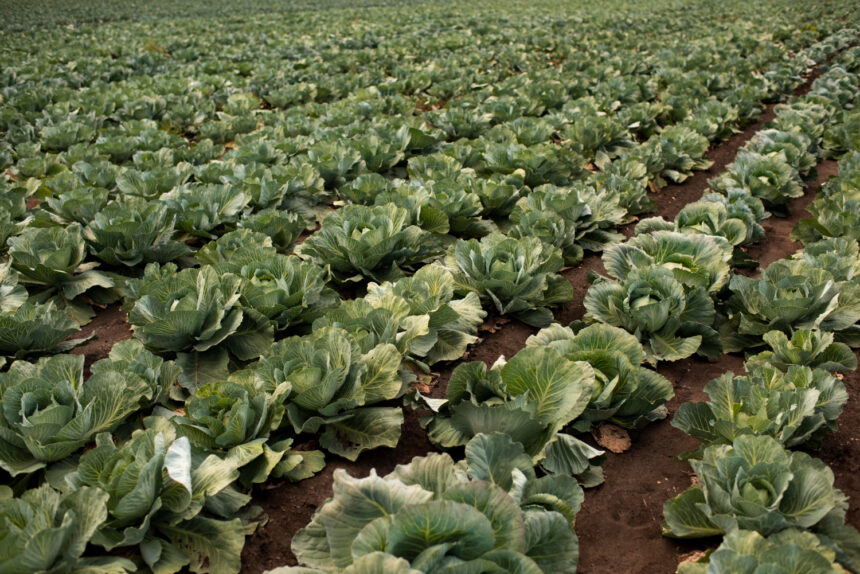
Vegetable crops such as cabbage, spinach, and kale also grow well in clay soil when managed correctly. These crops benefit from the high nutrient content found in clay-based soils. Spinach and kale grow fast and can be harvested multiple times, which improves income flow. Cabbage requires more space and time but produces strong market returns. Drainage must be improved using compost and organic matter to prevent root rot. Raised beds also help vegetables perform better in heavy soil. With proper care, vegetable farming on clay soil can become highly profitable.
Potatoes can also perform well in clay soil if the soil is well-prepared. Loose, well-structured clay soil supports tuber development and prevents deformities. Adding organic matter improves aeration and helps roots expand more easily. Without proper preparation, potatoes may struggle due to compaction and poor drainage. Farmers often use ridging techniques to improve yields. Potatoes also have strong market demand in both rural and urban areas across South Africa. This makes them a valuable crop when soil conditions are properly managed.
Sunflowers are another strong option for clay soil farming. They are hardy and can tolerate a range of soil conditions, including heavy clay. Sunflowers have deep root systems that help break up compact soil over time. They also perform well in areas with moderate rainfall and strong sunlight. The crop is mainly grown for oil production and animal feed. Farmers benefit from relatively low input costs and stable demand. Sunflowers can also improve soil structure for future crops.
Successful farming on clay soil depends on proper soil management practices. You need to improve drainage using organic matter, compost, and careful land preparation. Avoid working the soil when it is too wet because this increases compaction. Crop rotation helps maintain soil health and reduces disease buildup. Choosing the right planting method, such as raised beds or ridges, improves root development. With the right techniques, clay soil becomes a productive farming asset instead of a limitation. Good management turns challenging soil into a reliable production base.
Farming on clay soil in South Africa can be highly productive when you choose the right crops and apply correct methods. Maize, sorghum, vegetables, potatoes, and sunflowers all perform well under the right conditions. Each crop offers different benefits depending on your market and resources. Success depends on soil preparation, water control, and consistent management. Farmers who understand their soil type reduce losses and improve yields. With careful planning, clay soil can support long-term and profitable farming operations.
Join 'Farmers Mag' WhatsApp Channel
Get the latest Farming news and tips delivered straight to your WhatsApp
CLICK HERE TO JOIN