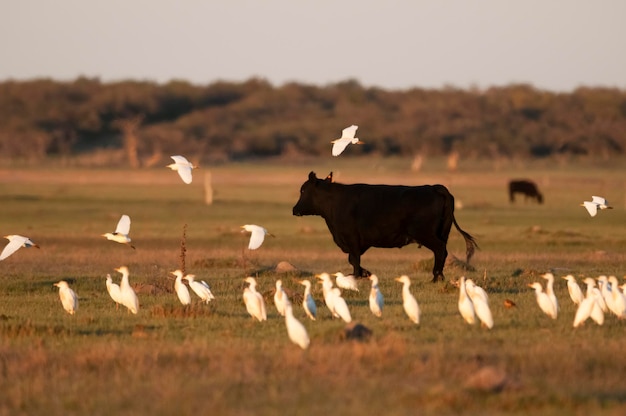
Farming in South Africa faces constant pressure from pests, changing weather patterns, and rising input costs, which makes sustainable solutions more important than ever. One practical and often overlooked strategy is attracting beneficial birds to farmland. These birds play a direct role in controlling pests, improving soil health, and supporting ecological balance. Farmers who understand how to work with natural systems often reduce their reliance on chemicals and lower production costs over time. Encouraging bird activity on farms is not a new concept, but it is gaining renewed attention as more producers seek efficient and environmentally responsible methods. This approach aligns with long term agricultural resilience and supports both productivity and conservation goals.
Beneficial birds such as swallows, weavers, owls, and kestrels provide natural pest control by feeding on insects, rodents, and other small animals that damage crops. A single barn owl can consume hundreds of rodents in a season, which directly protects grain yields and reduces post harvest losses. Swallows and other insect eating birds help manage populations of flies, moths, and beetles that often spread disease or damage plants. This natural control reduces the need for chemical pesticides, which can be expensive and harmful when overused. Lower chemical use also improves soil quality and protects water sources from contamination. Farmers who rely on birds as part of their pest management strategy often see more stable ecosystems on their land.
Creating a bird friendly environment requires deliberate planning and consistent effort from farmers. Planting indigenous trees and shrubs provides food sources and nesting areas that attract a variety of bird species. Maintaining water points such as small dams or troughs ensures birds have access to drinking and bathing areas throughout the year. Installing nesting boxes, especially for species like owls, helps increase their presence in areas where natural nesting sites are limited. Reducing habitat destruction and limiting pesticide use further encourages birds to settle and thrive. These steps are practical and cost effective, and they can be integrated into existing farming systems without major disruption.
South African farms vary widely in climate and landscape, which means bird attraction strategies must be adapted to local conditions. In dry regions, water availability plays a critical role in attracting birds, while in wetter areas, vegetation diversity becomes more important. Farmers in crop producing regions may focus on attracting insect eating birds, while livestock farmers may benefit more from species that control ticks and other parasites. Understanding local bird species and their feeding habits helps farmers target the right approach. Collaboration with agricultural extension officers and conservation groups can provide valuable guidance. This tailored approach ensures that efforts produce measurable benefits rather than random results.
The economic value of attracting beneficial birds becomes clear when farmers track reductions in pest damage and input costs. Fewer pests mean higher yields and better quality produce, which improves market value. Reduced spending on pesticides and rodenticides also increases profit margins over time. In addition, farms that adopt environmentally friendly practices may gain access to niche markets that value sustainable production. These markets often offer better pricing and long term contracts. Investing in bird friendly practices therefore supports both environmental and financial sustainability.
Attracting beneficial birds also strengthens the broader ecosystem, which supports long term agricultural success. Healthy ecosystems are more resilient to shocks such as droughts, disease outbreaks, and climate variability. Birds contribute to seed dispersal and pollination, which helps maintain plant diversity and soil stability. This interconnected system creates a more balanced environment where fewer extreme interventions are needed. Farmers who protect biodiversity often see improved land productivity over the long term. This approach builds a foundation for consistent and reliable farming outcomes.
South Africa’s agricultural future depends on practical solutions that balance productivity with environmental care, and attracting beneficial birds offers a clear path forward. Farmers who adopt this approach gain natural pest control, lower costs, and improved ecosystem health. The steps required are simple, but the impact can be significant when applied consistently. As more farmers recognize the value of working with nature rather than against it, bird friendly farming practices are likely to expand across the country. This shift supports stronger rural livelihoods and protects the natural resources that farming depends on.
Join 'Farmers Mag' WhatsApp Channel
Get the latest Farming news and tips delivered straight to your WhatsApp
CLICK HERE TO JOIN