Animal improvement plays a central role in building a productive and competitive livestock sector in South Africa. Farmers rely on structured breeding systems to improve traits such as growth rate, fertility, disease resistance, and meat or milk quality. These improvements directly affect farm profitability and long term sustainability. Breeders’ societies support this process by setting standards, recording performance data, and guiding genetic progress within specific breeds. Understanding how these systems work helps farmers make better breeding decisions and achieve consistent results.
Animal improvement focuses on selecting the best animals for breeding based on measurable performance and genetic value. Farmers use tools such as performance recording, estimated breeding values, and pedigree analysis to identify superior animals. This process requires accurate data collection over time, which allows for objective comparisons between animals. Genetic improvement is cumulative, which means each generation builds on the progress of the previous one. This creates long term gains that improve herd quality and farm efficiency. Farmers who commit to structured breeding programmes often see better productivity and stronger market positioning.
Breeders’ societies play a key role in managing and advancing these programmes. Each society represents a specific breed and maintains a herd book that records the lineage and performance of registered animals. These records ensure traceability and help maintain breed standards. Societies also set guidelines for selection, testing, and registration, which promotes consistency across the industry. By enforcing these standards, they protect the integrity of the breed and support fair competition among breeders. This system gives buyers confidence in the quality and reliability of registered livestock.
Performance recording is one of the most important functions supported by breeders’ societies. Farmers measure traits such as birth weight, weaning weight, growth rate, and reproductive performance. This data is then analyzed to calculate estimated breeding values, which predict how an animal will perform as a parent. These values help farmers select animals that will pass on desirable traits to their offspring. The use of data driven selection reduces guesswork and improves decision making. Over time, this leads to herds that are more productive, efficient, and adapted to local conditions.
Animal improvement also supports resilience in the face of challenges such as climate variability and disease pressure. Farmers can select animals that perform well under specific environmental conditions, which improves survival and productivity. For example, breeds that tolerate heat or resist certain diseases can reduce losses and lower input costs. This adaptability is critical in South Africa, where farming conditions vary widely across regions. Breeders’ societies often guide farmers on selecting traits that match their production environment. This ensures that genetic progress aligns with real world farming needs.
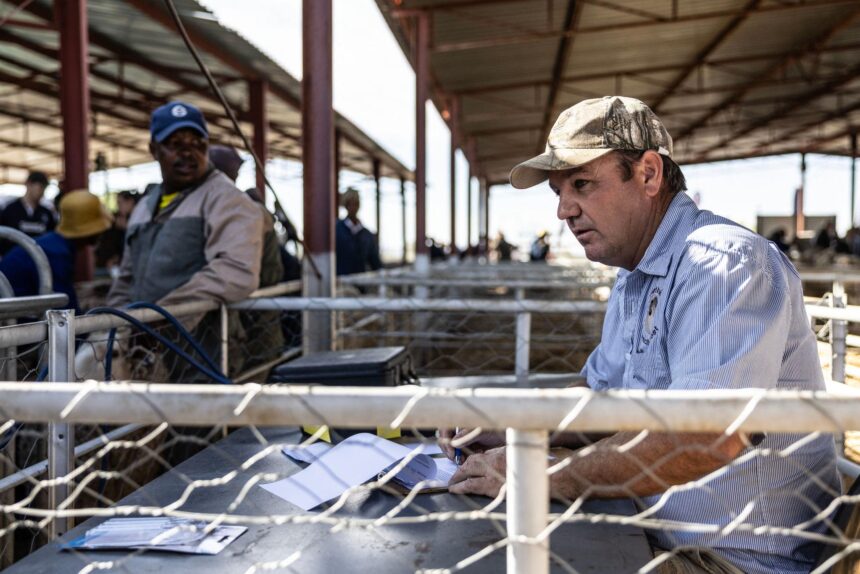
Market access and value are closely linked to participation in structured breeding systems. Buyers often prefer animals with verified performance records and clear genetic backgrounds. This increases demand for registered livestock and can lead to better prices. Auctions and sales organized by breeders’ societies provide platforms for farmers to market their animals. These events attract buyers who are willing to invest in quality genetics. As a result, farmers who participate in these systems can improve both their production and income potential.
Collaboration between farmers, breeders’ societies, and industry bodies strengthens the overall livestock sector. Information sharing, training, and technical support help farmers adopt best practices in breeding and management. Societies often provide educational resources and workshops to improve member knowledge. This continuous learning supports innovation and keeps farmers aligned with industry developments. It also encourages younger farmers to enter the sector with a solid understanding of modern breeding techniques.
Despite the benefits, successful animal improvement requires commitment and discipline. Farmers must invest time in data collection, record keeping, and careful selection. Short term gains are limited, as genetic progress takes time to show results. However, the long term benefits outweigh the effort, as improved herds deliver consistent performance and higher returns. Farmers who stay focused on their breeding goals are more likely to build sustainable operations.
Animal improvement and breeders’ societies form the backbone of a strong livestock industry in South Africa. They provide the structure, data, and standards needed to drive genetic progress and improve productivity. Farmers who engage with these systems gain access to valuable tools and support that enhance their operations. The result is a more efficient, resilient, and competitive agricultural sector. Continued investment in these programmes will ensure that South African livestock farming remains viable and profitable for future generations.
Join 'Farmers Mag' WhatsApp Channel
Get the latest Farming news and tips delivered straight to your WhatsApp
CLICK HERE TO JOIN