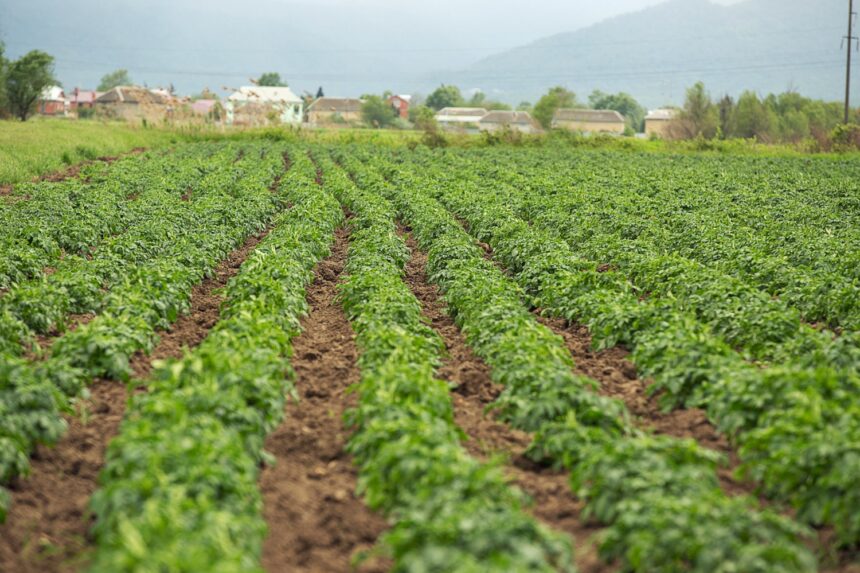
Potato farming in South Africa presents a promising opportunity for both new and experienced farmers, given the crop’s versatility and consistent demand. Potatoes are consumed widely as food for households, processed into products such as crisps and chips, and even used for industrial purposes including starch and spirits production. For beginners, understanding the fundamentals of potato cultivation—from climate requirements to planting, soil management, and harvesting—is essential for establishing a successful operation. The key to profitability lies in combining practical knowledge with careful planning, ensuring that the chosen cultivars, irrigation methods, and fertilisation strategies suit local conditions. With proper guidance, even small-scale farmers can achieve healthy yields and tap into South Africa’s strong domestic and export markets.
The climate plays a critical role in potato production, as the crop thrives in temperate regions with moderate temperatures and consistent rainfall or irrigation. Potatoes perform best when average day length is long during the growing season, and they are highly sensitive to extreme heat and frost. Temperatures above 29°C during tuber formation can prevent proper growth, while frost can damage young plants or tubers nearing harvest. Beginners should consult experienced local producers or extension officers to determine the best planting window for their area. Selecting the correct cultivar is also vital, as varieties differ in growth periods, disease resistance, yield potential, and suitability for dryland or irrigated conditions.
Soil preparation forms the foundation for successful potato farming. Fields should be free of compaction, with organic matter incorporated and crop residues decomposed. Deep ripping and ploughing ensure roots can penetrate soil layers easily, while a finely crumbled seedbed promotes healthy tuber development. Pre-plant irrigation helps achieve adequate soil moisture, and tilling just before planting creates an ideal environment for seed tubers. Soil testing is essential to assess fertility, pH levels, and nutrient availability, allowing farmers to apply appropriate fertilisers and amendments. Potatoes require high soil fertility, so nutrient management directly affects yield and tuber quality.
Planting involves careful spacing and depth to support healthy growth and maximise productivity. Seed tubers should be placed about 20 cm deep in fertilised furrows, with adequate spacing between rows and individual tubers depending on seed size and irrigation method. Ridging, or hilling soil around the young plants, protects tubers from sunlight, reduces disease risks, and encourages higher yields. This practice can be done manually or mechanically, with care taken to avoid high soil temperatures that may damage stems. Regular monitoring during growth for pests, diseases, and water stress is crucial, as potatoes are sensitive to environmental challenges at all stages of development.
Harvesting is the final critical step, requiring careful timing and handling to maintain tuber quality. Potatoes are usually ready for harvest two weeks after plant maturity, when the skin has hardened. Mechanical harvesters or lifters should be adjusted to minimise damage, while tubers should be removed from direct sunlight and handled gently to prevent rotting. Post-harvest management, including washing, sorting, and packaging according to market requirements, ensures maximum profitability. By following these steps, beginners can establish a reliable and productive potato farming operation, contributing to food security, income generation, and growth within South Africa’s agricultural sector.
Join 'Farmers Mag' WhatsApp Channel
Get the latest Farming news and tips delivered straight to your WhatsApp
CLICK HERE TO JOIN