Organic vegetable farming in South Africa is becoming an increasingly popular choice for farmers who want to produce healthy, chemical-free crops while protecting the environment. This method of farming focuses on natural practices that avoid synthetic fertilizers, pesticides and genetically modified seeds. Organic farming not only produces nutritious vegetables but also supports sustainable land management and biodiversity. Small scale and commercial farmers are turning to organic methods to meet growing consumer demand for healthy, locally produced food. With careful planning, proper techniques and adherence to organic standards, vegetable farming can become a profitable and environmentally responsible enterprise.
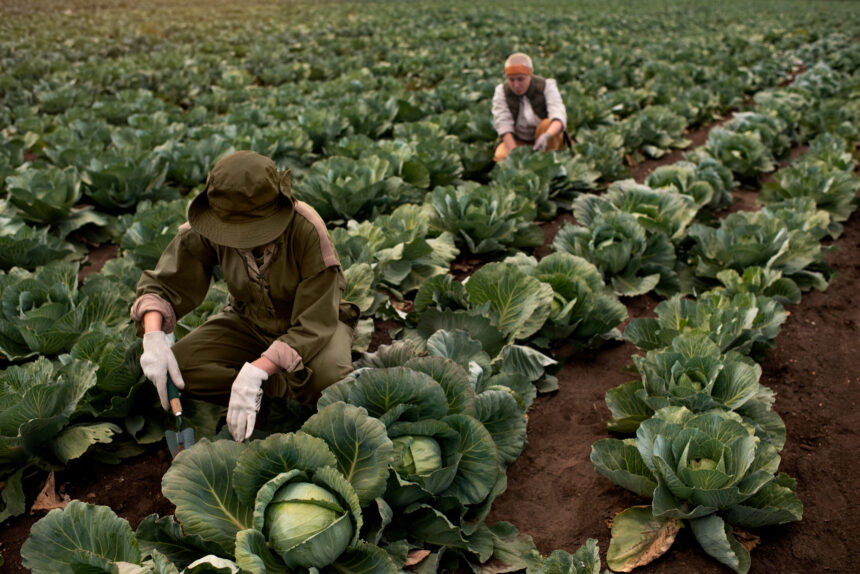
The first step in organic vegetable farming is selecting suitable crops for your region and soil type. Popular vegetables in South Africa include tomatoes, spinach, carrots, cabbage, lettuce, onions and beetroot. Choosing crops that are well-adapted to local climate conditions increases yields and reduces the risk of pest and disease problems. Farmers should also consider crop rotation and companion planting to maintain soil fertility and reduce pest pressure naturally. Planning your vegetable garden layout and planting schedules is essential to ensure continuous production and efficient use of resources.
Soil management is a critical component of organic farming. Healthy, fertile soil provides the nutrients that vegetables need to grow strong and productive. Organic farmers use compost, animal manure, cover crops and green manure to enrich the soil naturally. Mulching is also important to retain moisture, regulate temperature and suppress weeds. Regular soil testing helps farmers monitor nutrient levels and make adjustments without resorting to synthetic fertilizers. Maintaining soil health ensures sustainable production and improves crop quality over time.
Pest and disease management in organic farming relies on prevention, monitoring and natural control methods. Farmers use techniques such as crop rotation, intercropping and planting pest-resistant varieties to reduce infestations. Beneficial insects, biological controls, and organic sprays made from plant extracts can help manage pests without harmful chemicals. Proper sanitation, such as removing infected plants and cleaning tools, also reduces the risk of disease spread. By focusing on prevention and natural controls, organic farmers can maintain healthy crops while protecting the ecosystem.
Irrigation and water management are essential for vegetable growth, especially in regions with low rainfall. Drip irrigation, rainwater harvesting and proper scheduling help conserve water while ensuring that crops receive adequate moisture. Excess water can lead to root diseases, so careful monitoring of soil moisture is important. Organic practices often include using mulches and cover crops to retain soil moisture naturally. Efficient water management supports healthy plant growth and increases the overall productivity of organic vegetable gardens.
Certification and market access are key considerations for commercial organic farmers. Organic certification verifies that crops meet national and international standards, which can attract premium prices. Farmers can sell directly to consumers, local markets, restaurants or through organic cooperatives. Marketing strategies should emphasize the health, environmental and quality benefits of organic produce. Educating consumers about the value of organically grown vegetables helps build a loyal customer base and supports long-term business sustainability.
Organic vegetable farming in South Africa offers opportunities for profitable, sustainable and environmentally friendly food production. By focusing on natural soil management, pest control, crop planning and water conservation, farmers can grow high-quality vegetables while protecting natural resources. Certification and access to markets ensure that organic produce reaches consumers who value chemical-free food. With dedication, knowledge and proper practices, organic farming can support both rural livelihoods and healthier communities. Farmers who adopt these methods contribute to a sustainable agricultural sector and meet the growing demand for nutritious, locally produced vegetables.
Join 'Farmers Mag' WhatsApp Channel
Get the latest Farming news and tips delivered straight to your WhatsApp
CLICK HERE TO JOIN