

The North West Province has stepped up its response to the ongoing Foot-and-Mouth Disease outbreak, with MEC Madoda Sambatha addressing members of the media at the Potchefstroom College of Agriculture. The briefing provided a clear update on the scale of the outbreak and detailed the province’s vaccination distribution strategy aimed at containing the disease. With livestock farming playing a critical role in the provincial economy, the outbreak has raised serious concerns among farmers, traders, and agricultural stakeholders. The MEC emphasized that swift and coordinated action is essential to limit further spread and protect both livelihoods and food security. This engagement reflects the government’s commitment to transparency and proactive disease management.
The severity of the outbreak is evident, with 16 out of 18 municipalities affected and 158 confirmed cases reported so far. The most impacted districts include Dr Kenneth Kaunda and Bojanala, where intervention efforts are being intensified to control the spread. Foot-and-Mouth Disease is highly contagious and can spread rapidly between animals, making early detection and rapid response critical. The provincial government has therefore focused its resources on high-risk areas to contain infections before they escalate further. Farmers in these regions are under increasing pressure to follow strict biosecurity measures to prevent additional outbreaks.
A key component of the response is the rollout of 100,000 doses of the Biogenesis Bago FMD vaccine, which will be distributed strategically across affected areas. Vaccination efforts will prioritize farms and villages located within a 5 kilometre radius of confirmed cases, ensuring that high-risk zones are protected first. The province aims to achieve at least 90 percent vaccination coverage among cattle, in line with national targets set to control the disease. This targeted approach is designed to create a protective buffer that limits the movement of the virus and reduces infection rates. By focusing on high-impact areas, authorities hope to stabilize the situation and prevent further spread to unaffected regions.
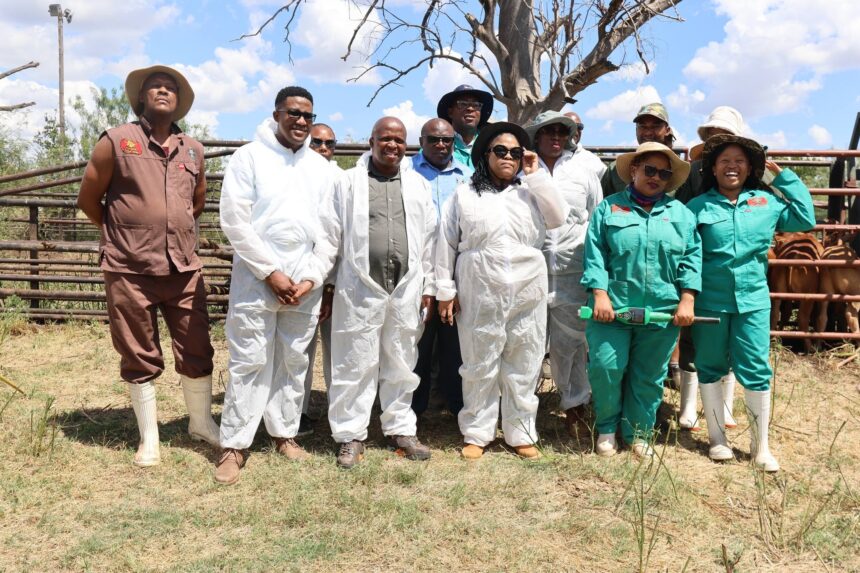
To demonstrate the practical implementation of the vaccination plan, officials conducted vaccination demonstrations at the Machavie Experimental Farm near Potchefstroom. These demonstrations provided farmers and stakeholders with a clear understanding of how vaccines are administered and the importance of proper handling and timing. The initiative also served to build confidence among farmers, many of whom rely on clear guidance during disease outbreaks. By showcasing the process, the department aims to encourage widespread participation and ensure that vaccination efforts are carried out effectively. Practical demonstrations play a key role in bridging the gap between policy and on-farm action.
Farmers have been urged to remain vigilant and to report any suspicious symptoms immediately to veterinary authorities. Early reporting allows for faster response times, which are critical in limiting the spread of Foot-and-Mouth Disease. In addition, farmers are advised to avoid moving livestock where infection is suspected, as animal movement is one of the main ways the disease spreads. Strengthening on-farm biosecurity, including controlling access to farms and disinfecting equipment, is essential during this period. Responsible action at farm level will significantly support provincial efforts to contain the outbreak.
The North West Province’s response highlights the importance of coordinated action between government and farmers in managing animal health crises. Through targeted vaccination, increased awareness, and strict biosecurity measures, the province is working to curb the spread of Foot-and-Mouth Disease and protect the livestock sector. MEC Madoda Sambatha’s update reinforces the urgency of the situation while providing a clear plan of action for stakeholders. Success will depend on cooperation, timely reporting, and consistent implementation of preventive measures. By working together, the province can contain the outbreak, safeguard its agricultural economy, and restore stability to the livestock industry.
Join 'Farmers Mag' WhatsApp Channel
Get the latest Farming news and tips delivered straight to your WhatsApp
CLICK HERE TO JOIN




