

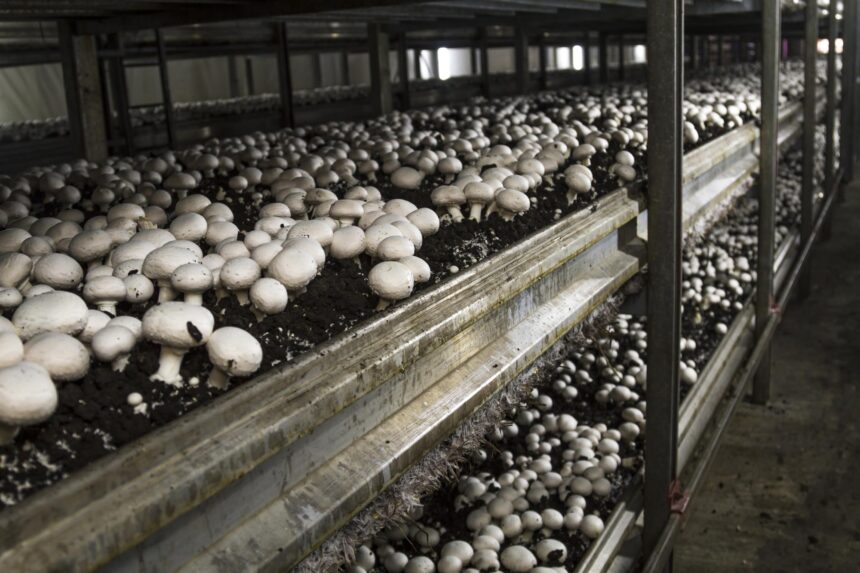
Mushroom farming is emerging as a profitable and sustainable agricultural venture in South Africa, offering farmers an opportunity to diversify production and increase income. With rising demand for fresh and processed mushrooms in local markets and restaurants, commercial cultivation has become increasingly viable for both smallholder and large-scale farmers. Mushrooms are highly nutritious, rich in proteins, vitamins, and minerals, making them a valuable addition to diets and a growing segment of the health-conscious food market. Unlike traditional crops, mushrooms require controlled environments for optimal growth, making careful management of temperature, humidity, and substrate critical. Understanding the fundamentals of mushroom farming allows farmers to maximize yield, maintain quality, and ensure a consistent supply throughout the year.
Successful mushroom cultivation begins with selecting the appropriate species based on market demand, climate conditions, and available infrastructure. Commonly cultivated species in South Africa include oyster mushrooms, shiitake, and button mushrooms, each with specific growth requirements. Farmers must prepare suitable substrates, such as sawdust, straw, or composted agricultural waste, which serve as the nutrient base for mushroom growth. The substrate must be properly sterilized or pasteurized to prevent contamination, which is a common challenge in mushroom farming. Maintaining strict hygiene in the growing environment, including clean handling and controlled airflow, is essential to prevent diseases and ensure healthy crops.
Environmental control is critical to mushroom farming, as these crops are highly sensitive to temperature, humidity, and light. Oyster mushrooms, for example, thrive at temperatures between 20°C and 30°C, while button mushrooms require cooler conditions around 16°C to 18°C. Humidity levels must be consistently monitored and maintained to promote healthy growth and prevent drying or mold issues. Adequate ventilation ensures fresh air circulation, preventing the buildup of carbon dioxide that can stunt growth. Light exposure, though minimal, is necessary for certain species to trigger fruiting, and adjusting lighting can help synchronize harvest cycles and improve yields.
Farmers must also focus on proper harvesting and post-harvest handling to maintain quality and maximize market value. Mushrooms should be harvested at peak maturity, before caps fully open, to ensure freshness and shelf life. Gentle handling during harvesting reduces bruising and damage, which can shorten shelf life and reduce marketability. Post-harvest storage should maintain cool temperatures and high humidity to preserve quality before distribution to markets or processing facilities. Value-added processing, such as drying, packaging, or creating mushroom-based products, can further increase profitability and provide additional revenue streams for farmers.
Mushroom farming in South Africa offers a lucrative opportunity for farmers willing to invest in controlled cultivation and proper management practices. By selecting the right species, preparing suitable substrates, maintaining optimal environmental conditions, and applying careful harvesting techniques, farmers can achieve consistent, high-quality yields. This form of agriculture supports income diversification, creates employment opportunities, and contributes to local food security. With growing demand for fresh and processed mushrooms, implementing these practices can lead to sustainable, profitable operations. Mushroom farming demonstrates how strategic, knowledge-driven approaches can transform agriculture and provide long-term benefits for farmers and the broader South African food industry.
Join 'Farmers Mag' WhatsApp Channel
Get the latest Farming news and tips delivered straight to your WhatsApp
CLICK HERE TO JOIN




