

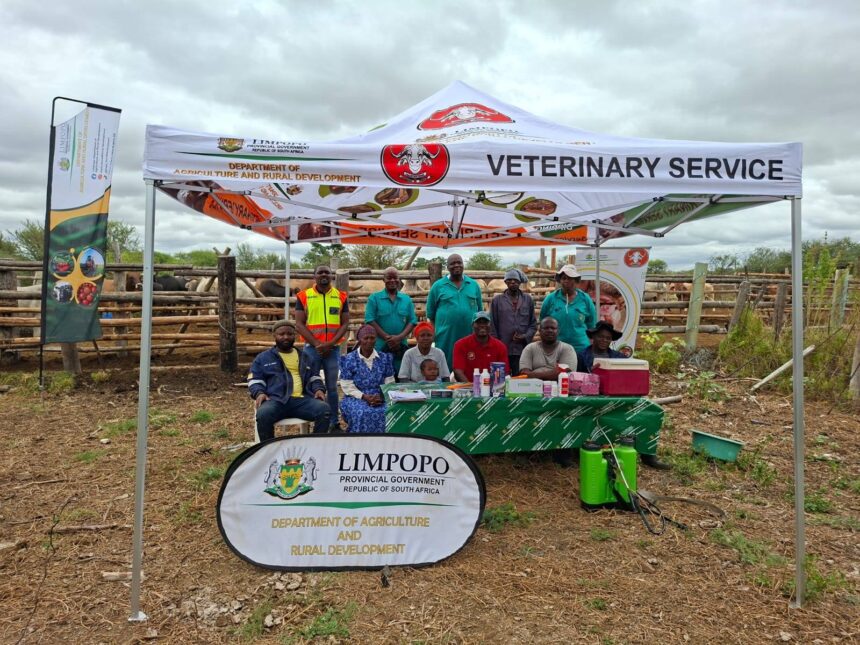
Six farmers at Callies Farm in Immerpan have become some of the first beneficiaries of the recently procured Foot-and-Mouth Disease (FMD) vaccine, imported from Argentina by the Minister of Agriculture, John Steenhuisen. The official rollout of the vaccine in Limpopo Province began on 26 February 2026, targeting herds that have already been affected by the highly contagious disease. FMD poses a serious threat to livestock production, disrupting trade, reducing animal performance, and threatening farmer livelihoods. By prioritizing early vaccination, the province aims to contain the spread of the virus and protect both animal health and the broader agricultural economy. The campaign demonstrates the government’s proactive approach and its commitment to supporting farmers in high-risk areas.
In Immerpan, officials from the Limpopo Department of Agriculture and Rural Development (LDARD), Waterberg District, focused on 83 free-grazing cattle that were identified as high risk due to their grazing patterns and increased exposure to potential infection. Free-grazing systems, while beneficial for pasture use, also make cattle more susceptible to FMD because animals move across multiple grazing areas and can come into contact with infected herds. By targeting these high-risk animals first, the authorities aim to reduce the likelihood of new outbreaks and limit the disease’s spread within and between farms. This focused approach allows limited vaccine resources to have maximum impact while demonstrating the importance of strategic disease management in livestock farming.
Each cow that received the FMD vaccine was fitted with a pink ear tag to indicate its vaccinated status, providing a visible marker for farm staff and veterinary teams. These ear tags serve as a crucial tool in tracking vaccination coverage, ensuring that all animals receive protection, and reducing the risk of accidental reinfection. Proper identification also facilitates monitoring for any adverse reactions and helps maintain accurate herd health records. By implementing this system, farmers and authorities can maintain a coordinated approach to disease control and provide evidence of compliance with veterinary protocols. The tagging process is a key step in building a structured and traceable vaccination program.
Vaccination campaigns like this one are essential for safeguarding livestock and supporting farm productivity. Foot-and-Mouth Disease can spread rapidly through direct contact with infected animals, contaminated equipment, and even human movement between farms, making rapid vaccination critical. Preventive measures such as vaccination, movement control, and proper biosecurity practices work together to reduce infection risk and protect the broader farming community. Farmers are encouraged to remain vigilant, report any suspected symptoms promptly, and collaborate closely with veterinary authorities to ensure the success of the program. Timely intervention can prevent large-scale outbreaks that disrupt production and threaten local and regional markets.
The FMD vaccine rollout in Immerpan marks an important milestone for Limpopo Province, showing the value of coordinated government support and farmer participation. By prioritizing high-risk herds, tracking vaccinated animals, and maintaining strict biosecurity measures, the province is taking concrete steps to control the spread of Foot-and-Mouth Disease. Early vaccination protects animal health, stabilizes farm production, and supports the livelihoods of farmers in the affected areas. Continued diligence and cooperation between authorities and livestock producers will be essential to ensure that the campaign achieves its objectives. With strategic vaccination and responsible management, Limpopo’s cattle industry can safeguard its future and reduce the threat posed by FMD.
Join 'Farmers Mag' WhatsApp Channel
Get the latest Farming news and tips delivered straight to your WhatsApp
CLICK HERE TO JOIN




