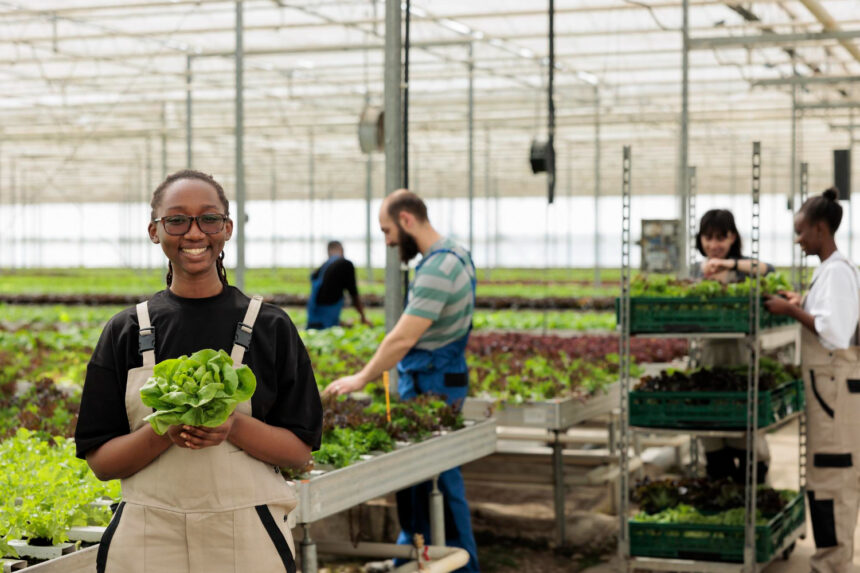
Farming presents a significant opportunity for South African youth to build sustainable livelihoods, generate income, and contribute to national food security. With rising interest in agriculture as a career and the availability of government support programmes, young people are increasingly exploring ways to enter the sector. Starting a farm requires careful planning, knowledge of crop or livestock production, access to land, and understanding of market demands. By leveraging available resources, youth can establish successful small-scale or commercial operations. Agriculture also offers opportunities to innovate with modern techniques, value-added products, and technology-driven solutions that increase efficiency and profitability.
The first step for youth interested in farming is to acquire practical knowledge and skills. Training programmes, workshops, and courses offered by agricultural colleges, universities, and government departments provide guidance on crop management, livestock care, irrigation systems, and sustainable practices. Mentorship from experienced farmers or participation in agricultural incubators can further equip young entrepreneurs with practical experience. Researching high-demand crops or livestock suited to the local climate ensures that operations are both viable and sustainable. Knowledge of financial management, farm planning, and risk assessment is equally important to maintain profitability and long-term growth.
Access to land is another critical factor in starting a farm. Young farmers can explore government land reform programmes, agricultural leases, and cooperative farming initiatives. Securing land provides a foundation for production and is often linked to additional support, such as funding, training, or equipment. Partnerships with established farmers or joining community farming projects can also provide opportunities for shared resources and reduced initial costs. For youth who do not yet have access to large tracts of land, container farming, hydroponics, or small-scale vegetable gardens can be practical starting points that require less space and investment.
Funding and access to resources are essential to scale farming operations and maintain consistent production. Government initiatives like the Comprehensive Agricultural Support Programme (CASP) and the Youth Development Fund provide grants, loans, and input support to eligible young farmers. These funds can be used to purchase seeds, equipment, irrigation systems, and livestock. Private sector partnerships and agricultural cooperatives also offer financing opportunities and market access. Planning a clear business strategy that identifies costs, expected yields, and potential revenue helps youth maximize the impact of available resources and attract further investment.
Marketing and connecting to value chains are critical for turning farming into a profitable enterprise. Young farmers should identify local, regional, or niche markets for their produce, including fresh vegetables, fruits, dairy, poultry, or value-added products. Participating in farmers’ markets, establishing supply agreements with retailers, or using digital platforms to reach customers can increase revenue streams. Consistently producing high-quality products and building relationships with buyers establishes trust and long-term business sustainability. By combining knowledge, land access, funding, and market strategy, South African youth can successfully enter agriculture, create employment opportunities, and contribute to national food security and economic growth.
Overall, youth farming in South Africa is a pathway to sustainable livelihoods and community development. Success depends on acquiring practical skills, securing land, accessing funding, and connecting to markets. Government programmes, mentorship, and training provide critical support to help young farmers overcome initial challenges and scale their operations. By adopting modern techniques, focusing on high-demand products, and leveraging available resources, youth can establish profitable farms and contribute to the growth of the agricultural sector. Engaging in farming not only supports personal economic empowerment but also strengthens national food security and the resilience of rural communities.
Join 'Farmers Mag' WhatsApp Channel
Get the latest Farming news and tips delivered straight to your WhatsApp
CLICK HERE TO JOIN