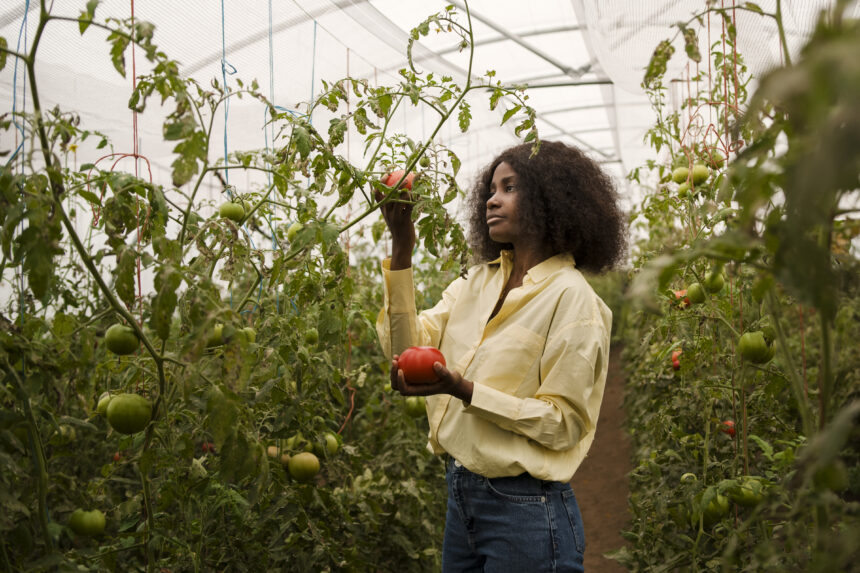
Scaling a small farm in South Africa requires clear planning, disciplined execution, and a strong focus on profitability. Many smallholder farmers begin with limited land and capital, yet they play a major role in food production and rural livelihoods. Growth does not happen by expanding too quickly or planting more without a plan. It comes from improving efficiency, understanding the market, and making smart investments. You need to focus on what works and build from there. When you approach farming with a business mindset, you create a strong foundation for long term success.
The first step is to treat your farm like a business with defined goals and measurable outcomes. You need a plan that outlines what you will produce, who will buy it, and how you will manage costs. Many farmers struggle because they produce without securing a market first. You should identify your buyers early, whether they are local retailers, restaurants, fresh produce markets, or direct consumers. This helps you align production with demand and avoid losses. When you understand your market, you can produce with purpose and increase your chances of consistent income.
Choosing the right crops or livestock plays a major role in scaling your farm. High value crops such as herbs, specialty vegetables, and organic produce can generate more income from smaller spaces. Fast growing crops allow you to harvest and sell quickly, which improves cash flow and supports reinvestment. You should also avoid relying on a single product. Diversifying your farm with different crops or adding livestock helps spread risk and creates multiple income streams. This approach protects your business from market changes and environmental challenges.
Improving productivity is essential if you want to grow without immediately increasing your land size. Healthy soil is the foundation of strong yields and sustainable farming. You should focus on practices like composting, crop rotation, and using natural inputs to maintain soil fertility. Efficient water management is also critical, especially in areas that experience drought. Techniques such as drip irrigation and water harvesting help you reduce waste and maintain production levels. When you increase output from the same land, you create room for expansion without higher costs.
Technology can support your growth and make your farm more efficient. You do not need expensive systems to start. Simple tools such as mobile apps for record keeping and basic irrigation systems can make a big difference. Tracking your expenses, yields, and sales helps you understand what is profitable and what needs improvement. Over time, you can adopt more advanced tools that improve precision and reduce waste. Using data to guide your decisions allows you to scale with confidence.
Access to reliable markets is one of the most important factors in scaling a farm. Producing more is only useful if you can sell your products consistently. You should build strong relationships with buyers and explore direct selling options. Selling directly to consumers or local businesses often gives you better margins. Branding and proper packaging can also increase the value of your products and attract more customers. When you control how and where you sell, you strengthen your position in the market.
Ongoing learning and skills development are key to staying competitive. Farming conditions change due to climate, input costs, and consumer demand. You need to stay informed and adapt your methods as needed. Attending workshops, working with mentors, and joining farming networks can improve your knowledge and skills. When you invest in learning, you improve your ability to solve problems and increase productivity. Knowledge helps you avoid costly mistakes and take advantage of new opportunities.
Risk management is a necessary part of scaling a farm in South Africa. Weather patterns are becoming less predictable, which affects production and planning. You should prepare by diversifying your crops, improving water management, and building financial reserves. Avoid expanding too quickly without the systems to support growth. Reinvest your profits into infrastructure, tools, and processes that improve efficiency. Careful planning reduces risk and keeps your farm stable during difficult periods.
Scaling a small farm in South Africa requires patience, discipline, and smart decision making. You need to focus on productivity, market access, and financial control. Growth should be steady and based on proven results rather than assumptions. When you align your production with demand and invest in efficient systems, your farm becomes more resilient and profitable. With the right approach, you can turn a small farming operation into a sustainable and growing agricultural business.
Join 'Farmers Mag' WhatsApp Channel
Get the latest Farming news and tips delivered straight to your WhatsApp
CLICK HERE TO JOIN