Duck farming in South Africa is gaining attention as farmers look for profitable and sustainable poultry alternatives. Ducks adapt well to different climates and farming systems across the country. They provide multiple income streams through meat, eggs and sometimes feathers. Many small scale farmers choose ducks because they require less intensive management compared to some other poultry species. With proper planning, housing and feeding strategies, duck farming can become a reliable agricultural enterprise that supports rural livelihoods and food security.
One of the first steps in successful duck farming is selecting the right breed for the intended production purpose. Farmers who focus on meat production often choose breeds known for fast growth and good feed conversion. Egg producers look for ducks that lay consistently and adapt well to local conditions. Some breeds also perform well in mixed farming systems where ducks help control pests in crop fields. Climate adaptability is also important because South Africa has varied weather patterns across different provinces. Farmers who select breeds suited to their local environment often achieve better productivity and lower mortality rates.
Housing plays an important role in maintaining healthy duck flocks. Ducks do not require complex housing structures, but they still need protection from predators, harsh weather and excessive moisture. Simple shelters with proper ventilation and dry bedding can provide adequate living conditions. Access to clean water is essential because ducks rely on water for drinking and cleaning their nostrils and eyes. Farmers should also provide outdoor space where ducks can move freely, forage and exercise. Good housing management helps reduce stress, prevent disease and support healthy growth.
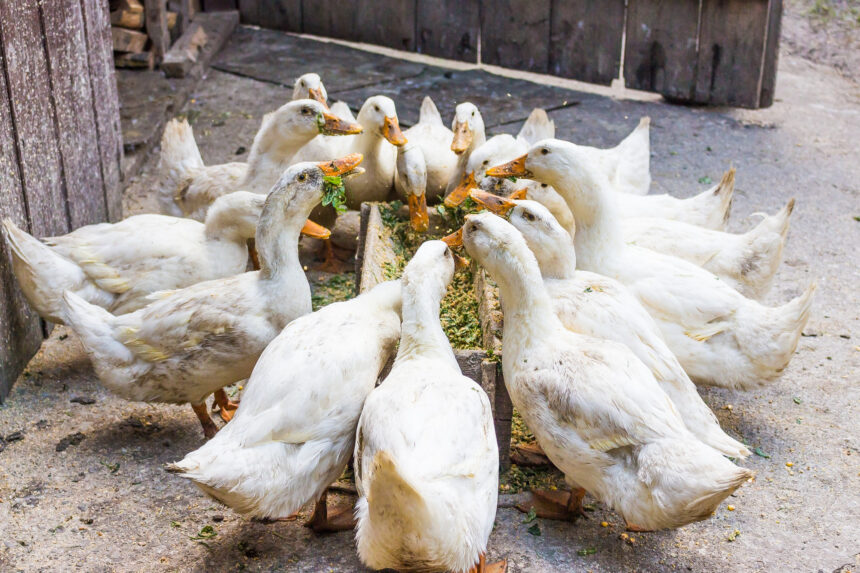
Feeding management is another key factor that determines the success of a duck farming operation. Ducks require balanced nutrition that supports growth, egg production and overall health. Commercial poultry feeds designed for ducks or waterfowl can provide the necessary nutrients during different growth stages. Farmers who use locally available grains and agricultural by products should ensure that diets remain nutritionally balanced. Ducks also benefit from access to natural forage such as insects, grass and small aquatic organisms when raised in semi free range systems. Providing consistent access to clean water during feeding improves digestion and helps ducks consume feed more efficiently.
Disease prevention and flock health management are critical in any poultry enterprise. Farmers should maintain clean housing, fresh bedding and proper waste management to reduce the risk of disease outbreaks. Regular observation helps farmers identify signs of illness early and respond quickly. Vaccination programmes and veterinary support can protect flocks from common poultry diseases. Biosecurity measures such as limiting farm visitors and separating new birds from the main flock help reduce infection risks. Healthy ducks grow faster, produce more eggs and maintain higher survival rates.
Marketing opportunities also make duck farming an attractive agricultural venture in South Africa. Duck meat is popular in many restaurants and specialty food markets because of its rich flavour and high nutritional value. Some farmers supply fresh eggs to local markets where duck eggs are valued for baking and culinary use. Small scale farmers can also sell live ducks directly to consumers or local traders. Building relationships with local buyers helps farmers secure stable demand for their products. Farmers who explore niche markets and value added products often increase their profitability.
Duck farming offers a practical opportunity for South African farmers who want to diversify their poultry operations and strengthen food production systems. With the right breed selection, proper housing, balanced feeding and effective health management, farmers can build a productive and sustainable duck enterprise. The adaptability of ducks makes them suitable for both small scale and commercial farming environments. As consumer demand for alternative poultry products continues to grow, duck farming has the potential to become an important contributor to rural economies. Farmers who approach the enterprise with careful planning and consistent management can create a profitable venture that supports long term agricultural success.
Join 'Farmers Mag' WhatsApp Channel
Get the latest Farming news and tips delivered straight to your WhatsApp
CLICK HERE TO JOIN