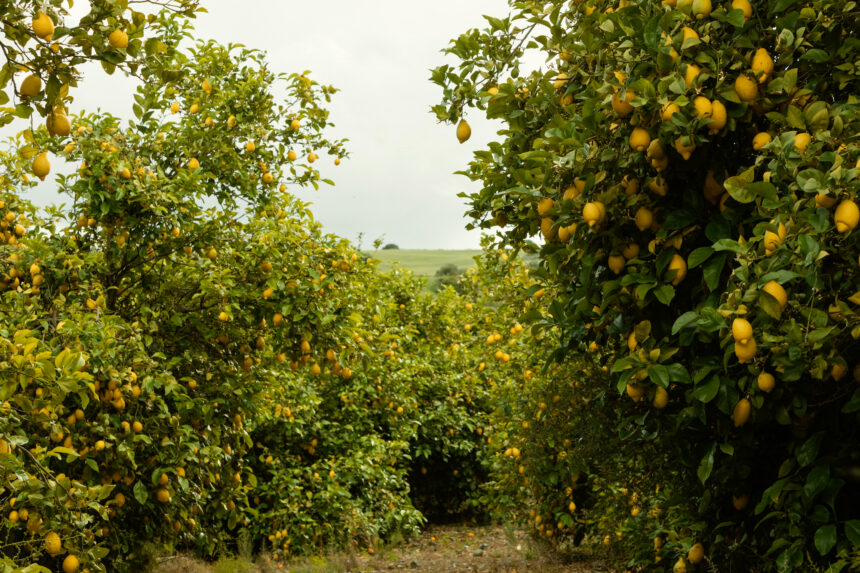
Lemon farming in South Africa presents a profitable opportunity for both small-scale and commercial farmers due to the growing local and export demand for citrus products. The country’s climate, particularly in regions such as Limpopo, Mpumalanga, and the Western Cape, provides ideal conditions for lemon cultivation, with warm temperatures, well-drained soils, and sufficient sunlight. Successful lemon farming requires careful planning, from selecting the right variety to implementing effective irrigation, fertilization, and pest management practices. Understanding market requirements and consumer preferences is equally important to ensure that the harvested lemons meet quality standards for both local consumption and export. Farmers who invest in proper orchard management and follow best agricultural practices can achieve high yields and long-term sustainability.
Site selection is critical for establishing a productive lemon orchard. Lemons thrive in areas with full sunlight and well-drained sandy loam soils with a pH range of 5.5 to 6.5. Avoiding low-lying regions prone to frost or waterlogging is essential, as these conditions can damage trees and reduce fruit quality. Irrigation plays a vital role in lemon production, with drip irrigation systems preferred for consistent moisture supply and water efficiency. Regular soil testing is recommended to monitor nutrient levels and adjust fertilization schedules, ensuring that trees receive adequate nitrogen, potassium, and micronutrients for optimal growth and fruit development.
Planting density and tree variety also influence orchard productivity. Popular lemon varieties in South Africa include Eureka and Lisbon, known for their high-quality fruit and market acceptance. Trees are usually planted at a spacing of 4 to 6 meters to allow sufficient sunlight penetration and air circulation, reducing the risk of diseases. Pruning and canopy management are necessary to maintain tree structure, promote flowering, and facilitate harvesting. Pest and disease control is essential, with attention to common threats such as citrus leaf miner, aphids, and fungal infections like Phytophthora root rot, which can be managed through monitoring, cultural practices, and approved chemical treatments.
Harvesting and post-harvest handling significantly impact marketability and profitability. Lemons are typically harvested when fully mature but still firm, with bright yellow skin and good size. Proper handling and storage reduce fruit damage and extend shelf life, which is crucial for export markets. Sorting, grading, and packing must comply with industry standards to meet both domestic and international buyer requirements. Efficient logistics and access to markets ensure that farmers receive fair prices and minimize post-harvest losses, making the investment in proper orchard management worthwhile.
Lemon farming in South Africa offers strong potential for income generation when combined with effective planning, sound agricultural practices, and market awareness. By selecting suitable sites, using the right varieties, maintaining tree health, and implementing efficient harvesting techniques, farmers can achieve high yields and sustainable operations. Collaboration with agricultural extension services and industry bodies provides additional support for technical guidance and market access. With increasing consumer demand for citrus products locally and abroad, lemon farming remains a viable and profitable venture that contributes to rural development, job creation, and the growth of the agricultural sector.
Join 'Farmers Mag' WhatsApp Channel
Get the latest Farming news and tips delivered straight to your WhatsApp
CLICK HERE TO JOIN