

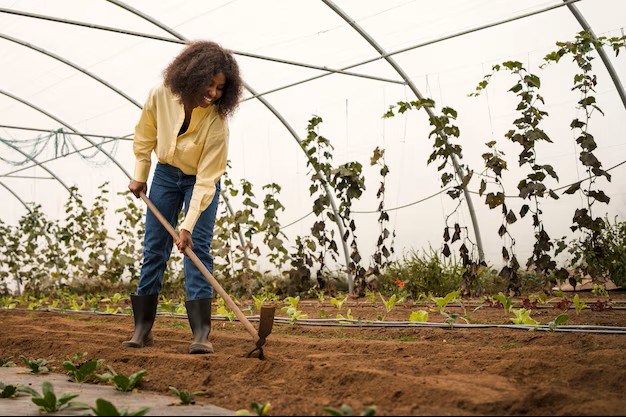
Climate-smart farming is becoming increasingly critical in South Africa as farmers face unpredictable weather patterns, prolonged droughts, and rising temperatures. These challenges threaten crop yields, livestock health, and the overall sustainability of agricultural operations. Climate-smart farming focuses on practices that increase productivity, enhance resilience to climate impacts, and reduce greenhouse gas emissions. By adopting these techniques, farmers can maintain profitability while contributing to environmental sustainability. Understanding and implementing climate-smart strategies ensures long-term food security and helps the agricultural sector adapt to evolving climatic conditions.
Soil management is a core component of climate-smart agriculture in South Africa. Techniques such as conservation tillage, crop rotation, and cover cropping improve soil fertility, retain moisture, and reduce erosion. Conservation tillage minimizes disturbance to the soil, helping retain organic matter and nutrients. Crop rotation prevents the buildup of pests and diseases while enhancing soil structure and nutrient cycling. Cover crops, including legumes and grasses, protect soil from erosion, improve water retention, and increase biodiversity. These practices strengthen resilience against droughts and extreme rainfall while supporting sustainable productivity.
Water management is another key aspect of climate-smart farming. Efficient irrigation systems, such as drip irrigation or rainwater harvesting, help farmers make the most of limited water resources. Mulching around plants reduces evaporation, conserves soil moisture, and controls weed growth. Constructing small retention ponds or using water storage tanks allows farmers to collect and store rainwater for dry periods. These techniques not only improve crop survival during droughts but also reduce the energy costs associated with pumping water. Proper water management ensures reliable production even under changing climatic conditions.
Crop and livestock choices can also support climate resilience. Farmers are increasingly selecting drought-tolerant crop varieties and indigenous species that thrive in local conditions. Intercropping and agroforestry systems combine multiple crops or integrate trees with crops, improving biodiversity, reducing pest pressure, and enhancing microclimates. For livestock, rotational grazing, improved feed management, and shelter provision reduce stress on animals during extreme weather events. These strategies help farmers maintain yields and income while adapting to environmental changes.
Technology and data-driven approaches complement traditional climate-smart practices. Farmers can use weather forecasting tools, soil sensors, and mobile applications to plan planting schedules, monitor crop health, and optimize resource use. Digital platforms also provide access to climate information, market data, and advisory services, helping farmers make informed decisions. Combining technology with local knowledge improves efficiency, reduces risk, and supports sustainable farm management. Adoption of these tools allows farmers to respond proactively to climate variability.
Climate-smart farming techniques offer South African farmers practical solutions to the challenges posed by climate change. Soil conservation, efficient water management, resilient crop and livestock systems, and technology adoption all contribute to sustainable and productive agriculture. Implementing these practices increases resilience, reduces environmental impact, and enhances long-term profitability. Farmers who embrace climate-smart strategies are better prepared to face extreme weather, secure food production, and maintain livelihoods. Overall, these techniques strengthen both local communities and the broader agricultural sector against the growing threats of climate variability.
Join 'Farmers Mag' WhatsApp Channel
Get the latest Farming news and tips delivered straight to your WhatsApp
CLICK HERE TO JOIN




