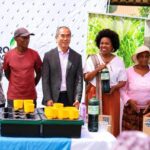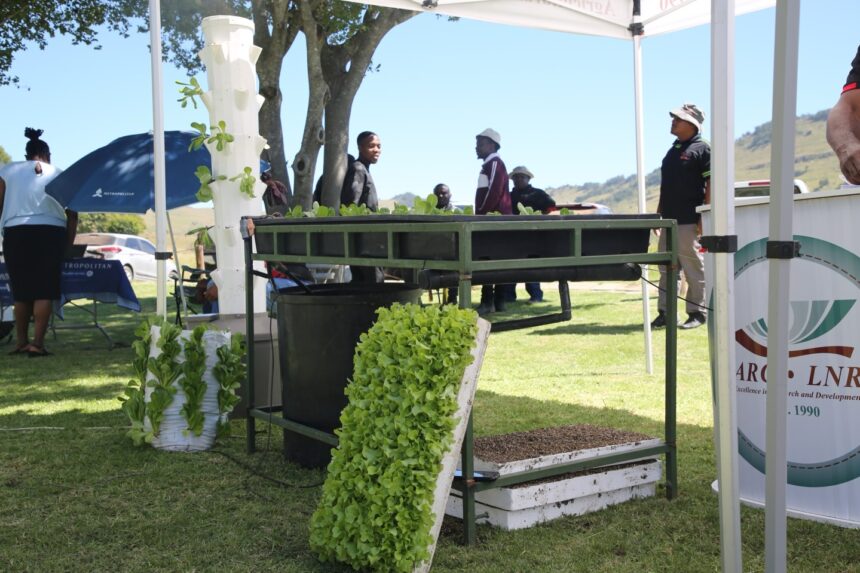
The Agricultural Research Council (ARC) recently conducted a three-day food security drive from 2 to 4 March at Comfy Day Care and Queenstown Day Care Centre in the Eastern Cape, providing farmers with practical tools to boost production and improve nutrition. The initiative focused on hands-on training in small-scale but high-impact farming systems, demonstrating how farmers can increase yields of staple vegetables while maintaining sustainable practices. Key crops included potatoes, sweet potatoes, cabbage, and spinach, which were grown in 5m by 5m garden plots, as well as in innovative systems such as spinach bags and tractor tyre planters. By integrating production and post-harvest techniques, farmers learned how to maximize output, diversify their crops, and add value through simple agro-processing methods. The drive showcased how small interventions at the farm level can significantly improve household food security and generate additional income.
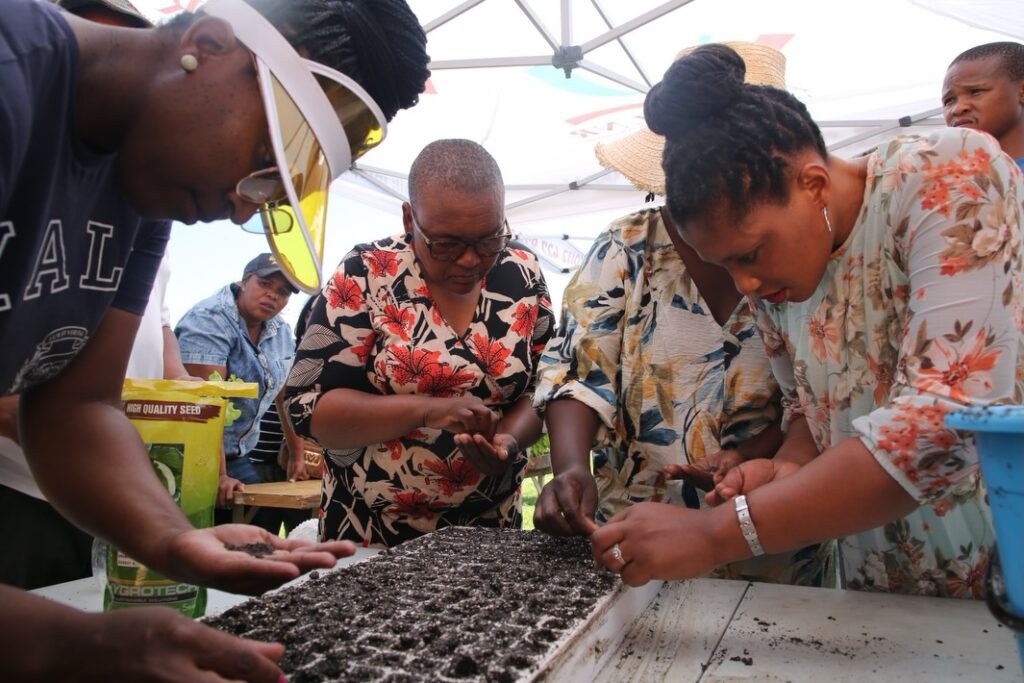
The first day at Comfy Day Care Centre highlighted practical production techniques for farmers. Garden plots were established, and seedlings were planted under expert guidance, teaching farmers proper spacing, watering, and soil management to optimize growth. Spinach bag systems and tractor tyre gardens were introduced as space-efficient methods to grow vegetables in small areas, demonstrating that limited land does not have to limit production. Farmers also received instruction on crop rotation and intercropping to maintain soil fertility and reduce pest pressure. These methods allow farmers to maintain healthy, productive plots that can deliver consistent harvests throughout the season.
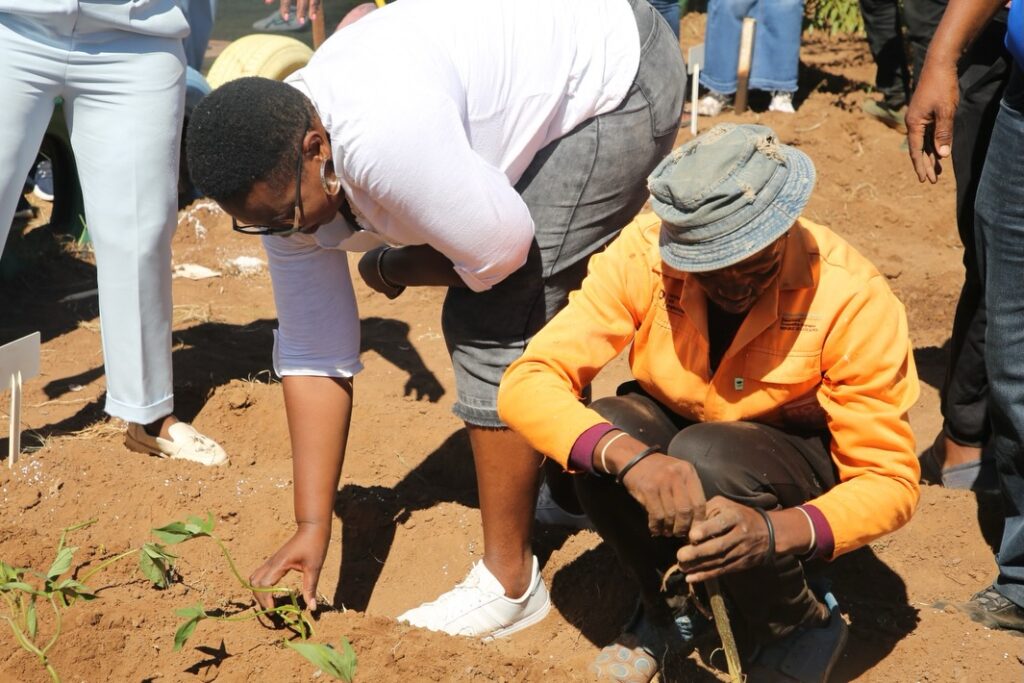
Agro-processing demonstrations formed a critical part of the training, showing farmers how to convert crops into value-added products. Orange-fleshed sweet potatoes were used to prepare chips, soup, juice, jam, and steamed bread, providing farmers with ideas to diversify their income streams. These processing methods also improve the shelf life of produce, reduce post-harvest losses, and enhance nutrition for households. Farmers learned how to integrate these practices into daily farm operations, turning surplus crops into marketable goods that meet local demand. The hands-on approach ensured participants could apply techniques directly on their farms, bridging the gap between knowledge and practical implementation.
The program also engaged with stakeholders from the Eastern Cape Department of Social Development, expanding the conversation around community food security and farmer support. Discussions included resource allocation, collaboration between local organizations, and strategies for scaling small-scale interventions to benefit more farmers in the region. Farmers were encouraged to document production methods, track yields, and share successes with peers, creating a network for knowledge exchange and ongoing improvement. The integration of community engagement and practical farming advice reinforced that sustainable agriculture requires both technical skills and cooperative action.
The ARC’s three-day food security drive in the Eastern Cape provided farmers with practical, actionable techniques to enhance productivity, diversify crops, and add value through agro-processing. By combining small-scale garden systems, efficient space-saving methods, and post-harvest processing skills, the program demonstrated that even limited resources can deliver measurable improvements in yields and income. Farmers left equipped with tools to implement sustainable practices, improve household nutrition, and participate in local markets. This initiative highlights the potential of targeted agricultural programs to strengthen food security, empower farmers, and promote sustainable rural development in South Africa.
Join 'Farmers Mag' WhatsApp Channel
Get the latest Farming news and tips delivered straight to your WhatsApp
CLICK HERE TO JOIN