

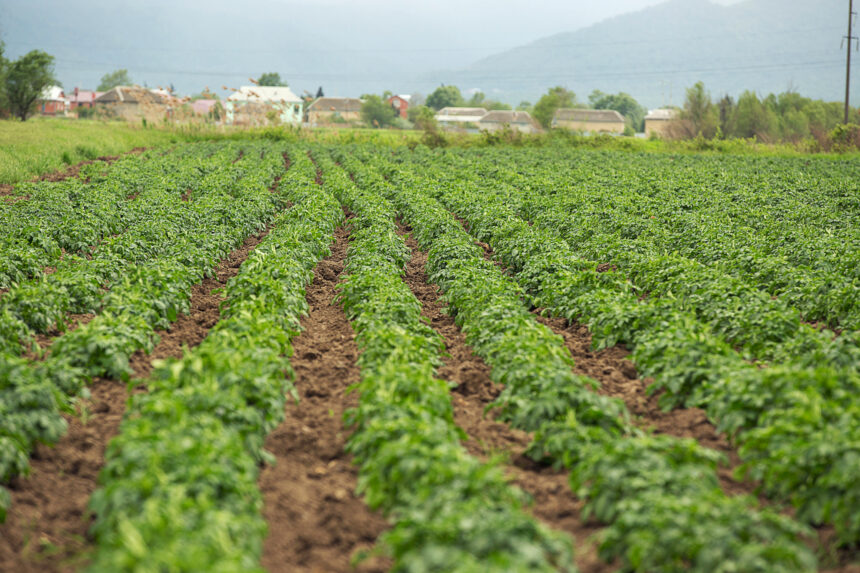
Biological farming methods are gaining momentum in South Africa as farmers look for sustainable ways to improve soil health, reduce input costs, and produce high-quality food. This approach focuses on working with natural systems rather than relying heavily on synthetic chemicals and intensive farming practices. As climate pressure increases and input prices rise, many farmers are turning to biological methods to build resilience and protect long-term productivity. These practices are rooted in improving soil biology, enhancing nutrient cycling, and strengthening plant health through natural processes. For South African farmers, biological farming offers a practical path toward sustainability while maintaining profitability.
At the core of biological farming is soil health, which directly influences crop performance and farm productivity. Healthy soil contains active microorganisms such as bacteria, fungi, and earthworms that break down organic matter and release nutrients in forms that plants can absorb. Farmers using biological methods often apply compost, organic matter, and microbial inoculants to restore life to degraded soils. These inputs improve soil structure, increase water retention, and reduce erosion, which is critical in regions that experience irregular rainfall. Over time, improved soil health leads to stronger crops that require fewer chemical inputs and are better able to withstand stress.
Crop management in biological farming focuses on diversity and balance rather than uniformity. Farmers use crop rotation, intercropping, and cover cropping to reduce pest pressure and improve soil fertility. For example, planting legumes can naturally fix nitrogen in the soil, reducing the need for synthetic fertilizers. Cover crops protect the soil from erosion, suppress weeds, and add organic matter when they decompose. These practices create a more stable farming system that relies less on external inputs and more on natural processes. In South Africa, where input costs can be high, these strategies help farmers manage expenses while maintaining productivity.
Pest and disease control in biological farming relies on prevention and natural solutions rather than chemical treatments. Farmers encourage beneficial insects and microorganisms that naturally control pests, reducing the need for pesticides. Biological controls such as predatory insects, microbial sprays, and plant-based extracts are commonly used to manage outbreaks. Monitoring plays a key role, as farmers must regularly inspect crops to detect early signs of pest activity. By acting early and maintaining a balanced ecosystem, farmers can keep pest populations under control without harming the environment or beneficial species.
Livestock integration is another important aspect of biological farming, particularly in mixed farming systems. Animals contribute to nutrient cycling through manure, which enriches the soil and supports plant growth. Managed grazing practices can improve pasture health, increase soil organic matter, and reduce land degradation. In South Africa, where many farms combine crop and livestock production, integrating these systems can improve efficiency and sustainability. Proper management ensures that livestock contribute positively to the farm ecosystem rather than causing overgrazing or soil damage.
Biological farming also offers economic advantages by reducing reliance on expensive chemical inputs and improving long-term soil productivity. While the transition may require initial investment in knowledge and new practices, farmers often see reduced input costs over time. Improved soil health leads to more stable yields, even under challenging conditions such as drought. Consumers are also showing increased interest in sustainably produced food, which can create market opportunities for farmers who adopt biological methods. These economic benefits make biological farming an attractive option for both small-scale and commercial producers.
Biological farming methods present a practical and sustainable approach to agriculture in South Africa, where environmental and economic pressures continue to shape the sector. By focusing on soil health, crop diversity, natural pest control, and livestock integration, farmers can build resilient systems that support long-term productivity. The shift toward biological practices requires commitment, learning, and adaptation, but the benefits are clear. Healthier soils, reduced costs, and improved sustainability position farmers for future success. As more farmers adopt these methods, biological farming will play a key role in securing food production and protecting the country’s agricultural resources.
Join 'Farmers Mag' WhatsApp Channel
Get the latest Farming news and tips delivered straight to your WhatsApp
CLICK HERE TO JOIN




