

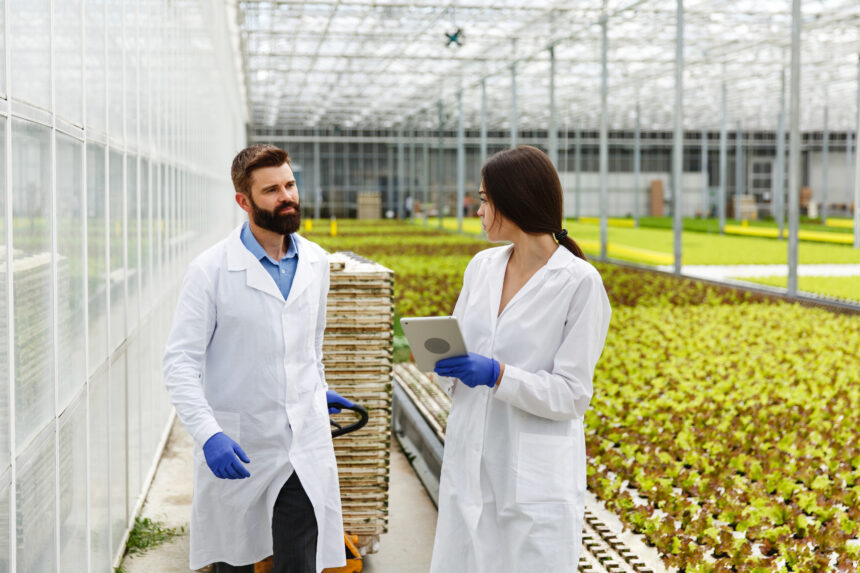
Biotechnology and plant breeding are transforming agriculture in South Africa by providing tools to improve crop quality, increase yields, and enhance resistance to pests and diseases. These scientific approaches enable farmers to meet the growing demand for food while adapting to climate change and limited resources. Biotechnology uses advanced techniques, such as genetic modification and molecular markers, to develop crops with desirable traits. Plant breeding combines traditional methods with modern technology to select and propagate plants that perform better under specific environmental conditions. Together, these fields offer practical solutions for improving productivity, ensuring food security, and supporting sustainable agriculture in the country.
Plant breeding in South Africa has a long history, beginning with the selection of superior varieties for local conditions. Traditional breeding involves cross-pollinating plants to combine favorable traits, such as drought tolerance, disease resistance, or higher nutritional content. Modern plant breeding incorporates biotechnology tools to accelerate this process, allowing breeders to identify the best candidates more efficiently. Techniques like marker-assisted selection help identify plants carrying specific genes without waiting for them to grow fully. This reduces the time it takes to develop new varieties and ensures that farmers receive high-quality crops suited to their needs.
Biotechnology plays a complementary role by enabling precise modification of plant genomes. Genetic engineering can introduce traits that are difficult or impossible to achieve through conventional breeding. In South Africa, biotechnology has been applied to develop crops such as maize, soybeans, and cotton with improved resistance to pests, herbicides, and environmental stressors. Biotechnology also supports the development of biofortified crops, which contain higher levels of essential nutrients to address malnutrition. Beyond crop improvement, biotechnology contributes to sustainable practices by reducing the need for chemical inputs and promoting environmentally friendly farming techniques.
The adoption of biotechnology and advanced plant breeding requires proper education, regulation, and public awareness. Farmers, researchers, and policymakers need to understand the benefits and risks associated with these technologies. South Africa has established regulatory frameworks to ensure that genetically modified crops are safe for human consumption and the environment. Extension services and agricultural training programs help farmers integrate improved crop varieties into their operations effectively. Public engagement and transparency are essential for building trust and encouraging the adoption of these technologies at a broader scale.
The impact of biotechnology and plant breeding extends beyond increased crop yields. Improved varieties can enhance food security, support rural livelihoods, and strengthen the agricultural economy. By producing crops that are more resilient to climate variability and pests, farmers can reduce losses and stabilize income. Biotechnology also opens opportunities for research-driven innovation, creating pathways for young scientists and agripreneurs to contribute to the sector. In South Africa, these scientific advancements are gradually reshaping farming practices, demonstrating that careful integration of technology and traditional knowledge can drive sustainable agricultural development.
Biotechnology and plant breeding are essential tools for modern agriculture in South Africa. They enable farmers to grow crops that are more productive, resilient, and nutritious while supporting environmentally sustainable practices. Combining traditional breeding methods with advanced biotechnological techniques accelerates the development of improved varieties and ensures that farming can meet current and future challenges. Education, regulation, and community engagement remain critical to the safe and effective implementation of these technologies. By embracing biotechnology and plant breeding, South African agriculture can strengthen food security, boost rural economies, and foster long-term resilience in the sector.
Join 'Farmers Mag' WhatsApp Channel
Get the latest Farming news and tips delivered straight to your WhatsApp
CLICK HERE TO JOIN




