

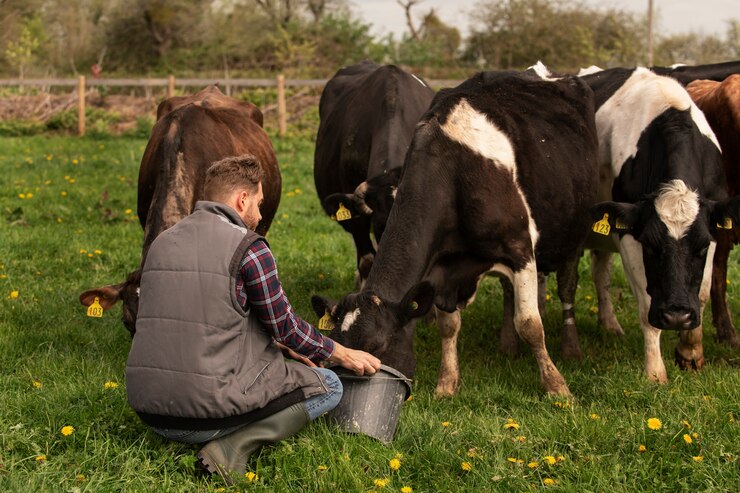
Small-scale cattle farming presents a unique opportunity for rural and emerging farmers to generate sustainable income while contributing to local food security. While many small-scale operations focus primarily on subsistence, shifting to a business-oriented approach can increase profitability, improve herd quality, and open access to commercial markets. Key factors in turning cattle farming into a profitable venture include strategic herd management, cost control, understanding market demand, and adopting modern feeding and breeding practices. By planning effectively and leveraging available support services, small-scale farmers can transform livestock management from a survival activity into a reliable business model.
Successful small-scale cattle farming begins with careful selection and management of the herd. Farmers must evaluate breeds based on meat or milk production potential, adaptability to local climate, and disease resistance. Maintaining proper herd health through vaccination, parasite control, and regular veterinary care is critical to avoid costly losses. Efficient grazing practices, such as rotational grazing or improving pasture quality with supplemental feed, can enhance weight gain and milk yields. Record-keeping on breeding cycles, feed consumption, and sales ensures informed decision-making, helping farmers identify profitable strategies and reduce unnecessary expenditure.
Marketing plays a central role in profitability for small-scale cattle farmers. Understanding market demand, pricing trends, and the timing of sales can maximize returns. Direct sales to local abattoirs, butcheries, or cooperative schemes often provide higher margins compared to informal markets. Some farmers have successfully added value through branded beef, organic certification, or niche dairy products. Networking with agricultural extension officers, cooperative societies, and buyers helps farmers stay informed about market opportunities and quality standards, improving their competitive position.
Access to finance and government or private sector support can significantly impact the success of small-scale cattle businesses. Grants, low-interest loans, and training programmes provide the capital and knowledge needed for infrastructure development, improved feeding systems, and modern equipment. Collaborating with other farmers in cooperatives allows pooling of resources, access to bulk feed, and shared marketing channels, reducing costs and increasing bargaining power. Farmers can also explore agribusiness incubation programmes that link small-scale producers to national and international supply chains.
Turning small-scale cattle farming into a profitable business requires dedication, planning, and strategic management. By focusing on herd health, efficient feeding, market alignment, and leveraging support systems, farmers can increase productivity and income. The transformation from subsistence to commercial farming strengthens rural economies, improves livelihoods, and ensures long-term sustainability. With the right approach, small-scale cattle farmers can create thriving businesses that provide consistent revenue while contributing to the overall growth of the agricultural sector.
Join 'Farmers Mag' WhatsApp Channel
Get the latest Farming news and tips delivered straight to your WhatsApp
CLICK HERE TO JOIN




