

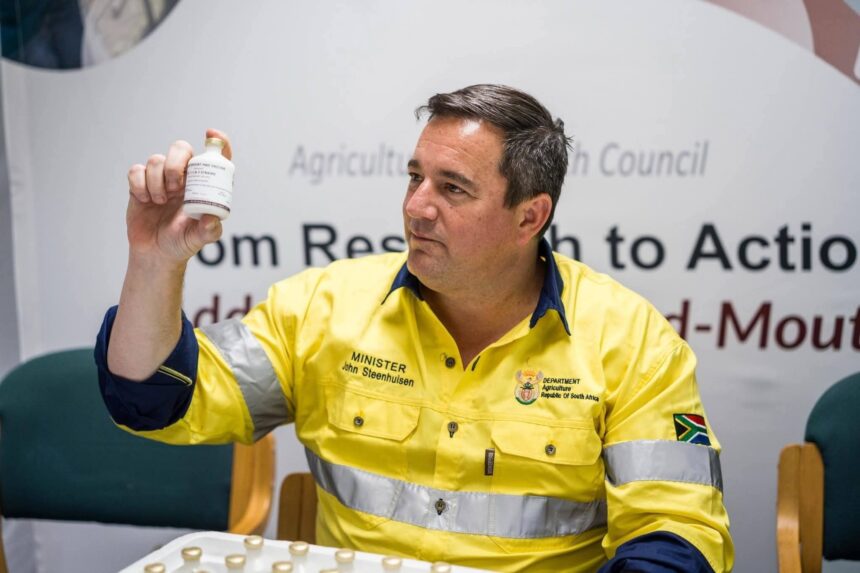
South Africa has taken a decisive step in controlling the spread of foot and mouth disease with the arrival and rollout of one million vaccine doses across the country. This large scale intervention strengthens national efforts to protect livestock, support farmers, and secure the food supply chain. Foot and mouth disease remains one of the most economically damaging livestock diseases, affecting cattle, sheep, and goats while disrupting both local markets and export opportunities. By accelerating vaccine distribution, authorities aim to contain outbreaks faster and reduce long term losses in the agricultural sector. This rollout also signals a stronger, more coordinated response to animal health threats that directly impact rural livelihoods and national stability.
The distribution plan reflects a targeted approach based on risk levels, livestock populations, and recent outbreak patterns across provinces. KwaZulu-Natal and the Free State each receive 200 000 doses, indicating high priority zones where containment is critical. The Eastern Cape follows with 150 000 doses, while Mpumalanga, North West, and Limpopo each receive 100 000 doses to reinforce protection in key farming regions. Gauteng is allocated 70 000 doses, while the Northern Cape and Western Cape receive 50 000 and 30 000 doses respectively, ensuring nationwide coverage. This structured allocation allows veterinary services to act quickly in high risk areas while maintaining preventative measures across the entire country.
Vaccination alone will not stop the spread of foot and mouth disease without strict compliance from farmers and livestock owners. Movement controls, quarantine protocols, and biosecurity practices remain essential tools in limiting transmission between herds and regions. Farmers must ensure that all livestock movements are properly permitted and recorded, especially when transporting animals across provincial boundaries. Isolating new or returning animals before introducing them to existing herds reduces infection risk and protects overall herd health. Consistent sanitation of equipment, vehicles, and clothing further strengthens farm level defenses against disease spread.
The economic impact of foot and mouth disease outbreaks can be severe, leading to trade restrictions, loss of income, and increased operational costs for farmers. South Africa’s livestock industry plays a key role in food production, employment, and export revenue, making disease control a national priority. The vaccine rollout supports not only animal health but also the stability of meat supply chains and consumer confidence. Effective disease management helps maintain access to international markets, which depend on strict health standards and traceability systems. By acting early and decisively, the country reduces the risk of prolonged disruptions that could affect both producers and consumers.
This nationwide vaccination campaign reinforces the message that biosecurity is a shared responsibility across the agricultural sector. Farmers, veterinarians, transporters, and agricultural authorities must work together to ensure that prevention measures are followed consistently. The arrival of vaccines marks progress, but sustained vigilance will determine the success of this effort. South Africa’s response demonstrates a commitment to protecting its livestock industry through both immediate action and long term planning. With vaccines now moving and protection strengthening, the country is actively building resilience against one of the most serious threats to animal agriculture.
Join 'Farmers Mag' WhatsApp Channel
Get the latest Farming news and tips delivered straight to your WhatsApp
CLICK HERE TO JOIN




