

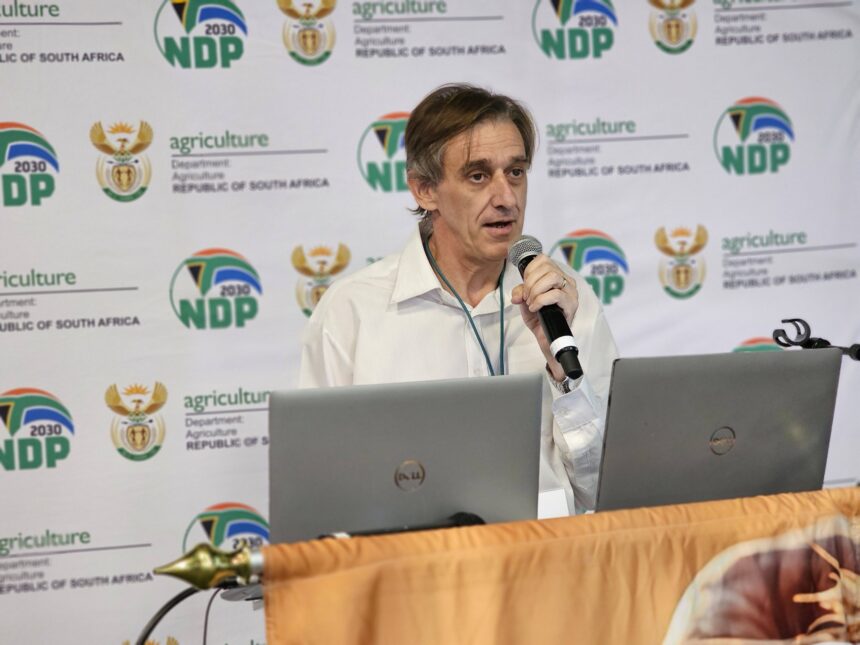
The National Department of Agriculture, through the National Plant Protection Organisation of South Africa (NPPOZA), is hosting a National Consultative Workshop on the draft Plant Health Regulations under the Plant Health (Phytosanitary) Act, 2024 (Act No. 35 of 2024). This workshop provides farmers with critical guidance on protecting crops from regulated plant pests, which can threaten yields, reduce income, and disrupt supply chains. The draft regulations focus on controlling the movement of plants and plant products into, within, and out of South Africa, helping farmers understand their responsibilities to prevent pest introduction and spread. By participating in the workshop, farmers can engage directly with experts, ask questions about practical implementation, and gain insights into strategies that strengthen farm biosecurity. This initiative underscores the government’s commitment to safeguarding agriculture while supporting farmers in complying with national and international standards.
During the workshop, NPPOZA experts explain how farmers can identify high-risk plant pests and take proactive measures to protect their crops. Guidance is provided on inspection practices, proper handling of seedlings and plant material, and reporting suspected infestations to authorities. The regulations aim to make pest control a shared responsibility, requiring farmers to maintain records, follow quarantine measures, and ensure that plants leaving their farms meet phytosanitary standards. By understanding these measures, farmers can reduce the risk of crop damage, prevent costly outbreaks, and maintain access to local and export markets. The interactive nature of the workshop allows farmers to discuss real-world challenges and receive advice tailored to their farming operations.
The workshop also highlights the economic importance of plant health for farmers. Pests can destroy crops, reduce the quality of produce, and limit trading opportunities, especially for farms supplying export markets with strict phytosanitary requirements. Farmers are advised on practical steps to manage pest risk, including monitoring crops regularly, isolating new plants, and using certified planting material. The draft regulations provide clear guidance on what constitutes compliance and the consequences of non-compliance, helping farmers avoid penalties and potential market restrictions. This focus on practical risk management ensures that regulations are not just legal requirements but tools that help protect farm income and sustainability.
Stakeholder engagement is central to the workshop, allowing farmers to provide input on how regulations affect daily operations. Participants can discuss logistical challenges, such as transporting plants safely, maintaining biosecure storage, and coordinating with suppliers and buyers. Experts share best practices for integrating pest control into routine farm management, making compliance both feasible and effective. Researchers present insights on the most significant pests affecting key crops in South Africa, giving farmers concrete examples to watch for in the field. This collaboration strengthens the national plant health system while providing farmers with actionable knowledge to protect their crops.
The National Consultative Workshop on the draft Plant Health Regulations represents an important step in supporting farmers to safeguard their crops and livelihoods. By providing practical guidance on pest prevention, movement controls, and reporting obligations, the initiative helps farmers reduce risk, maintain crop quality, and comply with national and international standards. The regulations under the Plant Health (Phytosanitary) Act, 2024, are designed not only to protect South Africa’s agricultural sector but also to empower farmers with tools to manage plant health effectively. Through engagement, training, and informed input, farmers play a key role in strengthening biosecurity, supporting sustainable agriculture, and securing market access for their produce.
Join 'Farmers Mag' WhatsApp Channel
Get the latest Farming news and tips delivered straight to your WhatsApp
CLICK HERE TO JOIN




