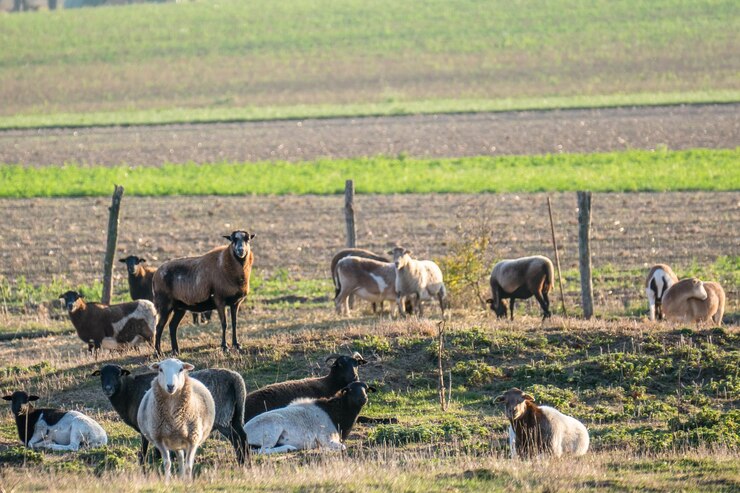
Mixed farming on a small plot, such as one hectare, can provide farmers with multiple income streams, improve soil fertility, and increase resilience against pests and market fluctuations. Integrating crops and animals requires careful planning to ensure that both sectors benefit from each other while maintaining sustainable production practices.
The first step is planning the layout of the land. Divide the hectare into zones for crop production, animal housing, and forage areas. Crop rotation and intercropping can maximize productivity while reducing soil depletion and pest pressure. Leguminous crops, such as beans or peas, can fix nitrogen in the soil, benefiting both subsequent crops and forage for animals. Raised beds or contour planting can help manage water efficiently, especially on sloped areas.
Animal integration can take several forms depending on the species and the available space. Chickens are ideal for small-scale operations as they provide eggs, meat, and manure that can fertilize crops. Goats or sheep can graze on cover crops or crop residues, helping control weeds and recycle nutrients. Cattle may be incorporated if pasture management is planned carefully, ensuring that overgrazing does not damage the soil or crops. Rotational grazing is critical to allow land recovery and maintain healthy forage.
Manure management is essential for both soil fertility and animal health. Composting animal waste before application reduces pathogens and concentrates nutrients, which can then be used to fertilize vegetable beds or pastures. This approach reduces reliance on chemical fertilizers and promotes a closed-loop system. Additionally, crop residues can be fed to livestock, creating a sustainable cycle that minimizes waste.
Water management is another key component. Providing clean water for animals and efficient irrigation for crops is critical on a one-hectare farm. Drip irrigation or small-scale rainwater harvesting systems can maximize water use efficiency, while ensuring that animals have constant access to fresh water. Shelter and fencing must be planned to protect both crops and animals, preventing damage while allowing free movement where appropriate.
Successful mixed farming on one hectare requires careful monitoring and adjustment. Track soil fertility, crop yields, and animal health to identify imbalances or opportunities for improvement. Start with manageable animal numbers and crop varieties before scaling up. By integrating crops and animals effectively, small-scale farmers can increase productivity, diversify income, and build a resilient, sustainable farming system on limited land.
Join 'Farmers Mag' WhatsApp Channel
Get the latest Farming news and tips delivered straight to your WhatsApp
CLICK HERE TO JOIN