

Maintaining soil fertility in drought-prone regions is critical for sustainable agricultural production and food security. Farmers in these areas face challenges such as low rainfall, high temperatures, and soil degradation, which reduce nutrient availability and limit crop yields. Effective fertility management strategies can improve soil health, enhance water use efficiency, and support consistent production even under harsh conditions. By adopting a combination of soil conservation, nutrient management, and crop planning techniques, farmers can optimise productivity and resilience in drought-affected areas.
One of the key strategies for managing fertility in drought-prone regions is soil testing and nutrient analysis. Understanding the nutrient composition of the soil allows farmers to apply the right type and amount of fertiliser, avoiding waste and preventing nutrient imbalances. Soil testing also identifies deficiencies in nitrogen, phosphorus, potassium, and micronutrients, enabling targeted interventions that maximise crop performance. In addition, incorporating organic matter such as compost or manure improves soil structure, water retention, and microbial activity, all of which are crucial in dry environments.
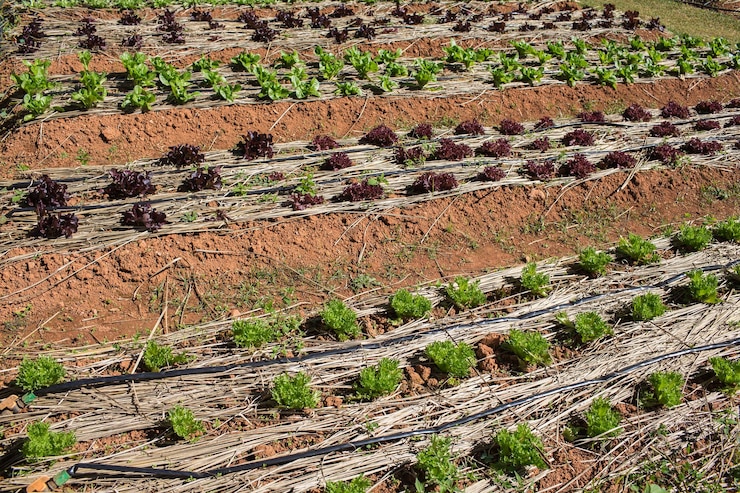
Conservation agriculture practices play a major role in fertility management under drought conditions. Techniques such as minimum tillage, mulching, and cover cropping reduce soil erosion, conserve moisture, and protect nutrient-rich topsoil. Mulching with crop residues or organic matter helps maintain soil temperature, reduces evaporation, and provides slow-release nutrients as it decomposes. Cover crops, including legumes, fix atmospheric nitrogen and add organic matter, improving fertility while preventing land degradation. These practices contribute to long-term soil health and enhance the ability of crops to withstand water stress.
Water management is closely linked to fertility in drought-prone regions. Efficient irrigation systems, such as drip or sprinkler irrigation, ensure that nutrients applied to the soil are available to plants when needed. Fertigation, the application of fertiliser through irrigation, allows precise nutrient delivery and reduces losses due to leaching or volatilisation. Farmers can also implement water harvesting techniques, such as contour bunds, retention ponds, and infiltration pits, to capture and store rainfall, supporting both soil moisture and nutrient uptake.
Crop rotation and diversified planting systems further enhance fertility management. Rotating crops with legumes or deep-rooted species improves nutrient cycling, breaks pest and disease cycles, and reduces reliance on chemical fertilisers. Intercropping and mixed cropping systems increase biomass production and contribute organic residues back to the soil. By combining these approaches, farmers create resilient systems that maintain fertility, increase productivity, and reduce vulnerability to drought.
Managing fertility in drought-prone regions requires a holistic approach that integrates soil testing, organic amendments, conservation agriculture, water management, and crop diversification. These strategies help maintain nutrient availability, improve soil structure, and increase crop resilience under challenging conditions. By adopting these practices, farmers can optimise yields, enhance food security, and ensure sustainable agricultural production despite the limitations imposed by drought.
Join 'Farmers Mag' WhatsApp Channel
Get the latest Farming news and tips delivered straight to your WhatsApp
CLICK HERE TO JOIN




