The United Nations has officially designated 2026 as the International Year of the Woman Farmer, placing global attention on the critical role women play in agriculture and the urgent need to address the barriers they face. This global recognition aims to drive meaningful action that supports women across all levels of agrifood systems. Under the theme “Empowered women transforming agricultural food systems,” the initiative highlights how women contribute to food production, rural development, and economic growth. Women are central to farming systems worldwide, yet their contributions are often undervalued or constrained by systemic challenges. This campaign seeks to change that by promoting equality, access, and long-term support for women in agriculture.
According to the Food and Agriculture Organization, agrifood systems employed 40 percent of working women globally in 2021, a figure that is nearly equal to men. Women participate in a wide range of agricultural activities, including smallholder farming, fishing, livestock management, beekeeping, and food processing. Despite their significant presence, women continue to face limited access to land, financial resources, and digital technology. These barriers restrict productivity and reduce opportunities for growth and innovation. The FAO’s Status of Women in Agrifood Systems report shows that targeted support for women could have a major global impact, with the potential to increase incomes for 58 million people and strengthen resilience for 235 million more.
In South Africa, women are actively involved in agriculture, but challenges remain evident. According to Statistics South Africa, the Census of Commercial Agriculture 2017 recorded 8,114 women farmers, with 6,116 working full-time and 153,017 part-time. These figures show participation, but they also reflect the gap in ownership, access, and support compared to men. Women farmers often operate on smaller scales and face structural disadvantages that limit expansion. Addressing these gaps requires coordinated efforts from government, private sector stakeholders, and development organisations. Without targeted intervention, the full potential of women in agriculture will remain underutilised.
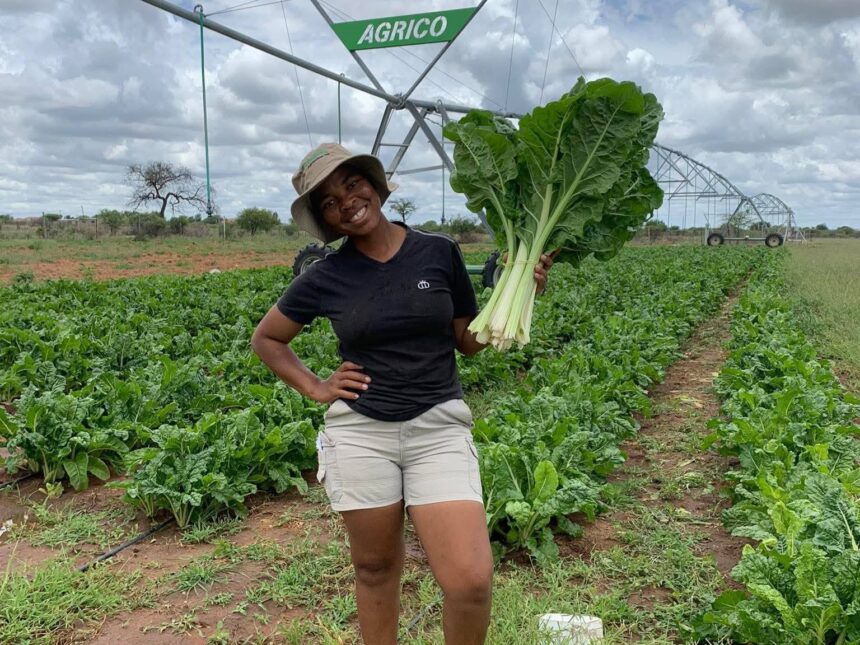
Real experiences from women farmers highlight the urgency of these issues. Matome Cynthia Mokgobu of Mosibudi Farming Enterprises in Senwabarwana, Limpopo, points to land rights as one of the biggest challenges. She faced a serious land dispute in 2025 that nearly cost her business, reflecting a broader national issue affecting many farmers. She explains that women are often excluded from access to family or communal land, limiting their ability to grow and sustain operations. Despite these challenges, she finds fulfillment in farming, noting that seeing crops grow brings a sense of peace and purpose. Her journey also shows the importance of support systems, including family, government departments, and local suppliers.
Another farmer, Anthea Naidoo, owner of Phumelela Farm in Gauteng, highlights finance as a major obstacle. She explains that while women have the capability to succeed, limited access to funding makes it difficult to manage and expand farming operations. Securing financial assistance remains a complex process, with many women struggling to find the right support within the agricultural sector. These financial constraints affect productivity, limit investment in technology, and slow down business growth. Her experience reflects a common challenge faced by many women farmers across the country.
Global leaders have emphasised that supporting women in agriculture must remain a long-term priority. Beth Bechdol has stressed that the needs of women farmers should extend beyond 2026, requiring sustained commitment and action. Empowering women in agriculture leads to stronger food systems, improved livelihoods, and more resilient communities. When women have equal access to resources, they invest in their farms, families, and communities, creating lasting impact. This makes gender equality not only a social goal but also an economic and agricultural priority.
The International Year of the Woman Farmer 2026 serves as a powerful reminder that women are essential to the future of agriculture. Addressing challenges such as land access, finance, and technology will unlock significant potential across the sector. With the right support, women farmers can increase productivity, strengthen food security, and drive rural development. The global focus on women in agriculture creates an opportunity to implement real change and build inclusive food systems. By investing in women farmers today, countries can secure a more sustainable and equitable agricultural future for generations to come.
Join 'Farmers Mag' WhatsApp Channel
Get the latest Farming news and tips delivered straight to your WhatsApp
CLICK HERE TO JOIN