

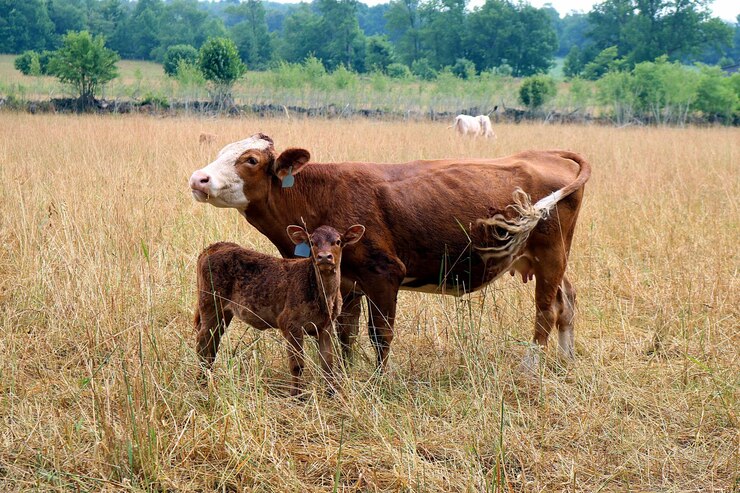
Raising cattle in harsh South African environments presents unique challenges, particularly when it comes to maintaining high calving rates. Heat stress, poor-quality forage, water scarcity, and disease pressure all affect reproductive performance. Farmers who focus on improving calving rates can achieve more consistent herd growth, higher profitability, and better long-term sustainability. Understanding the environmental pressures and implementing targeted management strategies is key to success in these conditions.
Nutrition plays a central role in reproductive success. Cows must have adequate energy, protein, vitamins, and minerals to conceive, carry, and deliver healthy calves. In arid or low-rainfall regions, forage quality can decline significantly, so supplementation with mineral blocks, silage, or commercial feed may be necessary. Strategic feeding before and after calving ensures cows recover quickly, supports lactation, and improves the likelihood of conception in the next breeding cycle. Nutritional planning tailored to seasonal variations helps reduce reproductive failures caused by malnutrition or energy deficits.
Heat stress directly affects fertility in cows and bulls. High temperatures can lower conception rates and reduce sperm quality, leading to delayed or failed pregnancies. Providing shade, ventilation, and access to clean water mitigates heat stress and improves overall herd health. Implementing breeding programs during cooler months can also increase conception success. Some farmers use heat-tolerant breeds or crossbreeds, such as Brahman crosses, to combine hardiness with reproductive efficiency in hot, arid conditions.
Herd health management is equally critical. Reproductive diseases, parasites, and infections can drastically reduce calving rates. Vaccination, regular veterinary checks, and effective parasite control protect both cows and calves. Monitoring cows for signs of illness or reproductive issues allows for early intervention, reducing calf losses. Maintaining clean calving areas prevents infection and supports healthier newborns. Proactive health management reduces the impact of environmental stressors on reproduction.
Genetics and breeding strategies influence calving success. Selecting bulls and cows with proven fertility under local conditions improves herd performance over time. Controlled breeding programs, such as artificial insemination or planned mating, help optimize conception timing and reduce calving intervals. Recording breeding and calving data allows farmers to track performance, identify trends, and make informed decisions for future herd improvement. Combining genetic selection with environmental adaptation creates a more resilient and productive herd.
By addressing nutrition, heat stress, herd health, and genetics, farmers in harsh South African environments can improve calving rates and herd productivity. Implementing targeted strategies ensures cows conceive more reliably, deliver healthy calves, and recover quickly for subsequent breeding cycles. These measures increase farm profitability, reduce losses, and create a sustainable livestock operation even under challenging climatic conditions. Effective management transforms environmental challenges into opportunities for consistent herd growth and long-term success.
Join 'Farmers Mag' WhatsApp Channel
Get the latest Farming news and tips delivered straight to your WhatsApp
CLICK HERE TO JOIN




