

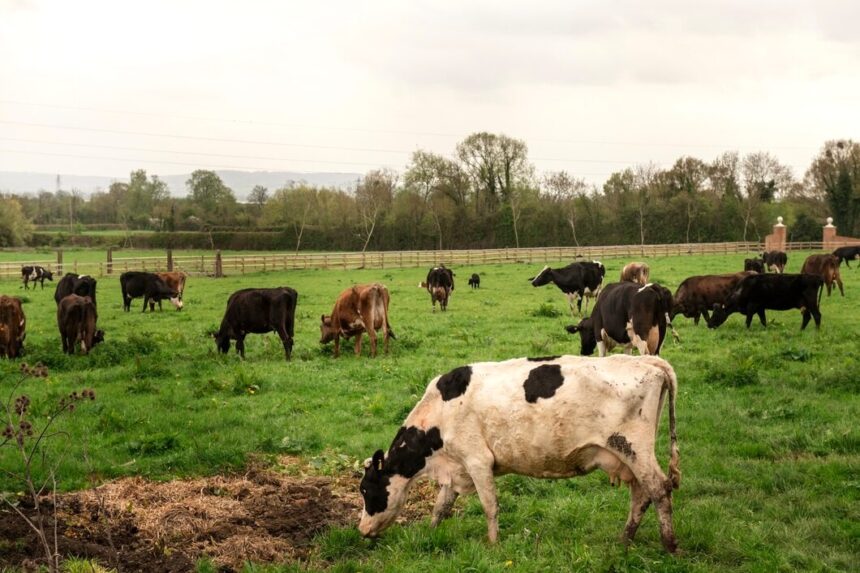
Overgrazing remains one of the biggest threats to livestock productivity in South Africa. It reduces grass cover, weakens soil structure, and lowers the long term carrying capacity of your land. When animals graze the same area continuously without recovery time, pasture quality declines and erosion risk increases. This affects both communal and commercial farms, although the causes may differ. In communal systems, high stocking rates and shared land use often drive the problem. In commercial operations, poor grazing management and overstocking during drought periods are common causes. You need a structured approach to protect your land and maintain consistent livestock performance.
The first step is to match your stocking rate to the carrying capacity of your land. Carrying capacity refers to the number of animals your land can support without degrading vegetation. This varies based on rainfall, soil type, and grass species. In drier regions, the land supports fewer animals per hectare compared to high rainfall areas. You should adjust your herd size based on seasonal conditions, especially during drought. Keeping too many animals during low rainfall periods leads to rapid pasture depletion and long term damage. Regularly assessing veld condition helps you make informed decisions before the situation worsens.
Rotational grazing is one of the most effective ways to prevent overgrazing. This system involves dividing your land into camps and moving livestock between them to allow grass to recover. Each camp should rest long enough for grasses to regrow and restore root reserves. Rest periods vary depending on rainfall and grass type, but they are critical for maintaining healthy pasture. In communal areas, this requires coordination among farmers, which can be challenging but highly beneficial. Even simple grazing plans with agreed movement schedules can improve veld condition over time. Consistent rotation improves grass cover, increases productivity, and reduces soil erosion.
You also need to monitor grazing pressure closely. Signs of overgrazing include short grass height, bare patches, and an increase in unpalatable plant species. When you notice these indicators, you should act immediately by reducing stock numbers or moving animals to rested areas. Waiting too long leads to permanent damage that takes years to reverse. Water points and feeding areas often attract heavy grazing pressure, so you should manage these zones carefully. Spreading water sources or rotating access points helps distribute grazing more evenly across your land.
Supplementary feeding can reduce pressure on natural grazing, especially during dry seasons. Providing hay, silage, or mineral supplements supports animal nutrition when pasture quality declines. This allows you to maintain livestock condition without forcing animals to overgraze limited resources. However, supplementation should not replace proper grazing management. It works best as part of a broader strategy that includes stocking control and pasture rest. Using feed strategically during critical periods helps you protect your veld while maintaining productivity.
Soil and pasture management practices also play a key role in preventing overgrazing. Healthy soil supports strong grass growth, which improves resilience to grazing pressure. Practices such as reseeding degraded areas, controlling invasive species, and maintaining ground cover help restore productivity. In some cases, introducing hardy, locally adapted grasses can improve pasture performance. Protecting root systems is essential because they anchor soil and store energy for regrowth. When grass is repeatedly grazed too short, roots weaken and recovery slows significantly.
Community cooperation is essential in communal farming systems where land is shared. You need collective agreements on stocking rates, grazing rotations, and resting periods. Without cooperation, individual efforts have limited impact because livestock move freely across shared land. Establishing grazing committees or local management groups can help enforce agreed practices. Education and awareness also play a role in improving long term outcomes. When all farmers understand the benefits of controlled grazing, adoption becomes easier and more consistent.
Preventing overgrazing requires discipline, planning, and ongoing monitoring. You need to balance livestock numbers with available resources while allowing pasture time to recover. Small adjustments made early can prevent major losses later. By managing grazing pressure, rotating camps, and maintaining soil health, you protect your land and improve productivity. This approach ensures that both communal and commercial farms remain sustainable and profitable over the long term.
Join 'Farmers Mag' WhatsApp Channel
Get the latest Farming news and tips delivered straight to your WhatsApp
CLICK HERE TO JOIN




