

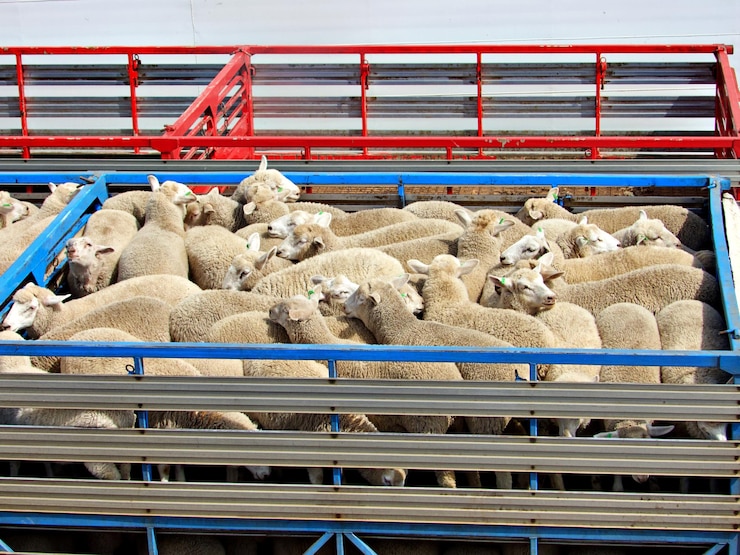
Livestock auctions are a central part of South Africa’s agricultural economy, providing farmers with an organised marketplace to buy and sell cattle, sheep, goats, and other livestock. These auctions allow farmers to access competitive pricing, connect with buyers, and manage herd sizes efficiently. Understanding how livestock auctions operate is essential for both new and experienced farmers looking to maximise profitability and make informed decisions in livestock management.
In South Africa, livestock auctions are typically held at auction yards across provinces, often managed by agricultural cooperatives or private companies. Farmers bring their animals to the yard, where each lot is inspected for health, age, breed, and quality. Veterinary officials may be present to ensure compliance with health regulations, including vaccination and disease control measures. Animals are grouped into lots based on type, size, or breed, which allows buyers to compare quality and make competitive bids.
The auction itself is conducted by an auctioneer, who guides the bidding process. Buyers, who may include commercial farmers, feedlots, and traders, place bids either in person, online, or via phone. The price of each lot is determined by supply and demand, breed quality, market conditions, and the animal’s health and performance. Auctions are often timed events, with lots sold quickly to maintain momentum, and farmers receive payment soon after the sale.
Participation in livestock auctions requires preparation and compliance. Sellers must ensure animals are healthy, properly identified, and ready for transport. Buyers should set budgets, assess animal quality, and understand market trends. Many auction yards provide support services, including grading, transport coordination, and guidance on regulatory requirements. Some modern auctions also integrate online platforms, enabling remote bidding and access to wider markets.
Livestock auctions provide significant benefits to South African farmers. They offer a transparent and competitive pricing environment, help manage herd sizes, and connect producers with new buyers and markets. Auctions also encourage better livestock management practices, as farmers prepare animals to meet buyer expectations. By understanding the auction process, farmers can maximise returns, improve herd quality, and ensure compliance with animal health regulations.
Livestock auctions in South Africa serve as a vital marketplace for the livestock industry, combining traditional practices with modern technology to support profitability and sustainable farming. Participation requires preparation, knowledge of animal health and quality, and awareness of market trends, making it a key tool for both emerging and commercial livestock farmers.
Join 'Farmers Mag' WhatsApp Channel
Get the latest Farming news and tips delivered straight to your WhatsApp
CLICK HERE TO JOIN




