

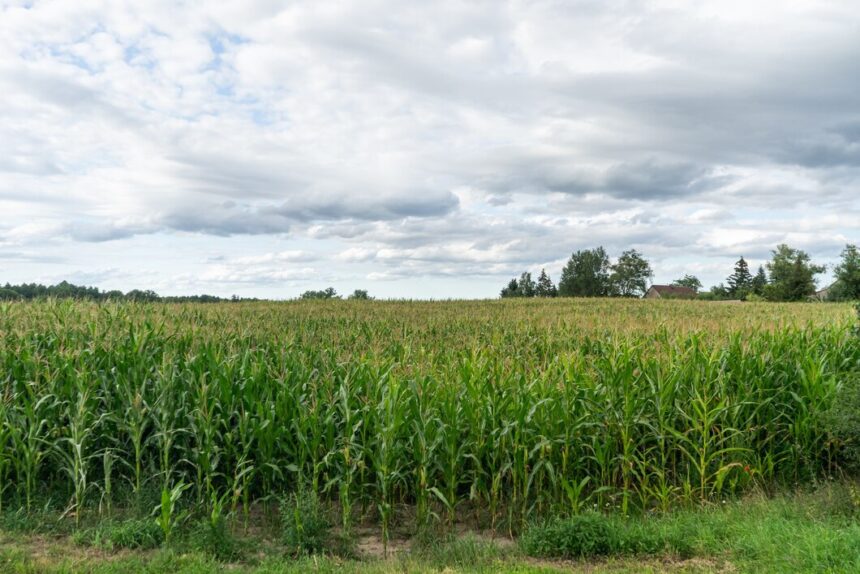
The past two production seasons exposed the volatility of modern grain farming in South Africa. One season brought a severe mid summer drought, while the next delivered excessive rainfall during critical growth stages. These extremes led to major differences between early and later crop estimates, prompting some producers and industry players to question the accuracy of the National Crop Estimation Committee. In response, an Emergency Crop Estimation Liaison Committee meeting was held on 17 November 2025 to assess the causes and improve the reliability of early season production estimates. The outcome signals a renewed focus on data accuracy, transparency and stronger collaboration with farmers.
The 2023 to 2024 season began with promising planting conditions, but extreme heat and drought in February and March caused severe crop losses. Maize production dropped by about 3.6 million tonnes compared to the previous year, significantly altering supply expectations. In contrast, the 2024 to 2025 season experienced unusually high rainfall during the same period, resulting in yields far above initial projections. The gap between the first and ninth production estimates reached approximately 2.4 million tonnes, with yellow maize achieving a record yield. These wide swings placed pressure on markets and highlighted the difficulty of making accurate early forecasts under changing climate conditions.
For farmers, early crop estimates influence critical business decisions. Input purchases such as fertilizer top dressing, crop protection and irrigation scheduling often depend on expected yield potential. Marketing strategies, including forward contracts and hedging positions, rely heavily on projected national supply. Inaccurate early estimates can affect grain prices, which directly impacts cash flow planning and loan servicing. Crop insurance decisions and risk management strategies are also shaped by early production outlooks. When estimates shift dramatically later in the season, producers must adjust quickly, sometimes at significant financial cost.
During the meeting, stakeholders reviewed the accuracy of estimates over the past decade and examined whether changes were necessary. Over a 27 year period, the average difference between February and March estimates was only 1 percent, excluding three outlier seasons. As a result, the February estimate will remain, but greater emphasis will be placed on using advanced weather models, expert agronomic input and early season field data. The Producer Independent Crop Estimates System method will continue to determine planted hectares, while yield estimates will rely on producer surveys combined with objective field assessments. Historical yield trends will also be considered to provide context in seasons with abnormal weather patterns.
Seed weight will now receive closer attention, as it plays a direct role in final yield calculations. Producer participation remains critical, and farmers’ unions may assist in improving survey response rates. Another key focus area is the limited information available on on farm storage capacity and grain stocks. Better data in this area will improve market transparency and reduce uncertainty. IDC meetings will now take place after market closure to safeguard confidentiality and reduce potential market disruption.
These measures demonstrate that the grain industry is actively refining the crop estimation process. Stronger reliance on objective data, improved methodologies and greater producer involvement will support more accurate and timely production forecasts. As climate variability continues to challenge farming operations, reliable crop estimates remain essential for managing risk and maintaining market stability. With these adjustments in place, producers are better positioned to make informed decisions in seasons that can shift rapidly from drought to surplus.
Join 'Farmers Mag' WhatsApp Channel
Get the latest Farming news and tips delivered straight to your WhatsApp
CLICK HERE TO JOIN




