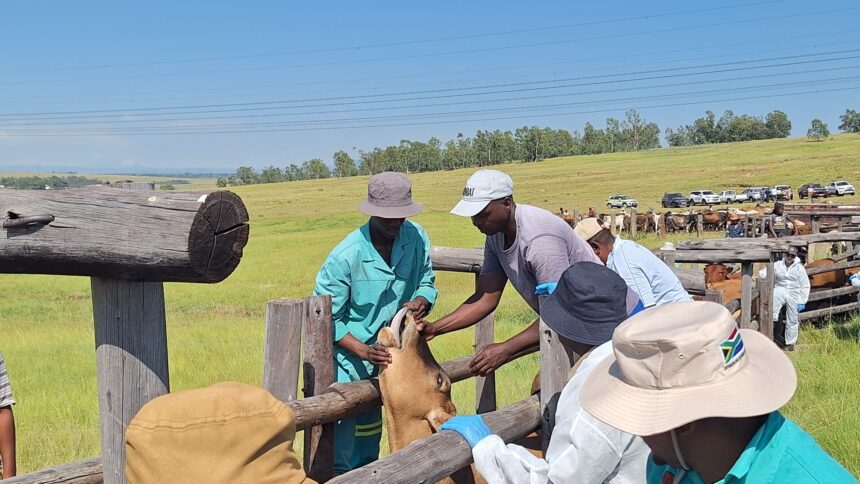
The Animal Diseases Act (Act 35 of 1984) remains the guiding legislation for managing animal diseases in South Africa, despite farming practices evolving significantly since its enactment. The Animal Health Act (Act 7 of 2002), which was intended to replace it, has yet to be implemented, leaving the 1984 act as the primary legal tool. Former director of animal health, Dr Gideon Brückner, noted that although the Animal Health Act was signed into law by former president Thabo Mbeki in 2002, it has never been promulgated. Recent feedback indicates that steps are being taken to implement the act, though the reasons for the delay remain unclear.
With the classification of foot-and-mouth disease (FMD) as a national disaster, the Department of Agriculture now has the opportunity to amend existing legislation to manage the outbreak more effectively while the disaster classification is in effect. Jurgens Dyssel, chief director of policy, institutional development, and compliance management at the National Disaster Management Centre, explained that disaster classification allows temporary legislative adjustments to address urgent crises. These amendments, however, apply only for the duration of the disaster classification and cannot permanently change the law.
Minister of Agriculture John Steenhuisen confirmed on the RSG Monitor radio programme on 16 February that the department is working on amending regulations during the disaster period. Key areas of focus include abattoir operations and quarantine provisions. Current regulations allow infected farms to remain under quarantine for up to a year, a measure that can severely impact farming operations. Industry stakeholders argue that these strict quarantine rules may discourage farmers from reporting infections, complicating disease management efforts.
The classification process under Section 23 of the Disaster Management Act (Act 57 of 2002) requires proof that the affected sector has already taken action and that available resources are insufficient to address the crisis. Dyssel emphasized that wide consultation with stakeholders occurs before a disaster is classified, ensuring that the government can coordinate resources effectively. While disaster classification does not automatically provide large sums of funding, it ensures that the national executive authority can coordinate support across all three spheres of government and activate contingency plans to manage the outbreak.
Local governments are beginning to respond to the crisis. The uMngeni Local Municipality in KwaZulu-Natal, for example, has introduced a rates rebate for affected farmers who are landowners. Eligible farmers can apply through the municipal website, helping to ease financial pressure during quarantine or other restrictions.
It is important to distinguish between the classification of a national disaster, as in the case of FMD, and the declaration of a national state of disaster. The former allows temporary adjustments to legislation and resource allocation, while the latter triggers broader legal powers and emergency measures. With the disaster classification in place, the Department of Agriculture must now define next steps for managing FMD, coordinating support from all levels of government, and implementing temporary legislative changes to protect farmers and livestock across the country.
This approach ensures that resources, capacity, and legal measures are aligned to control the spread of FMD, minimize losses, and maintain agricultural productivity while temporary amendments help address regulatory challenges during the crisis.
Join 'Farmers Mag' WhatsApp Channel
Get the latest Farming news and tips delivered straight to your WhatsApp
CLICK HERE TO JOIN